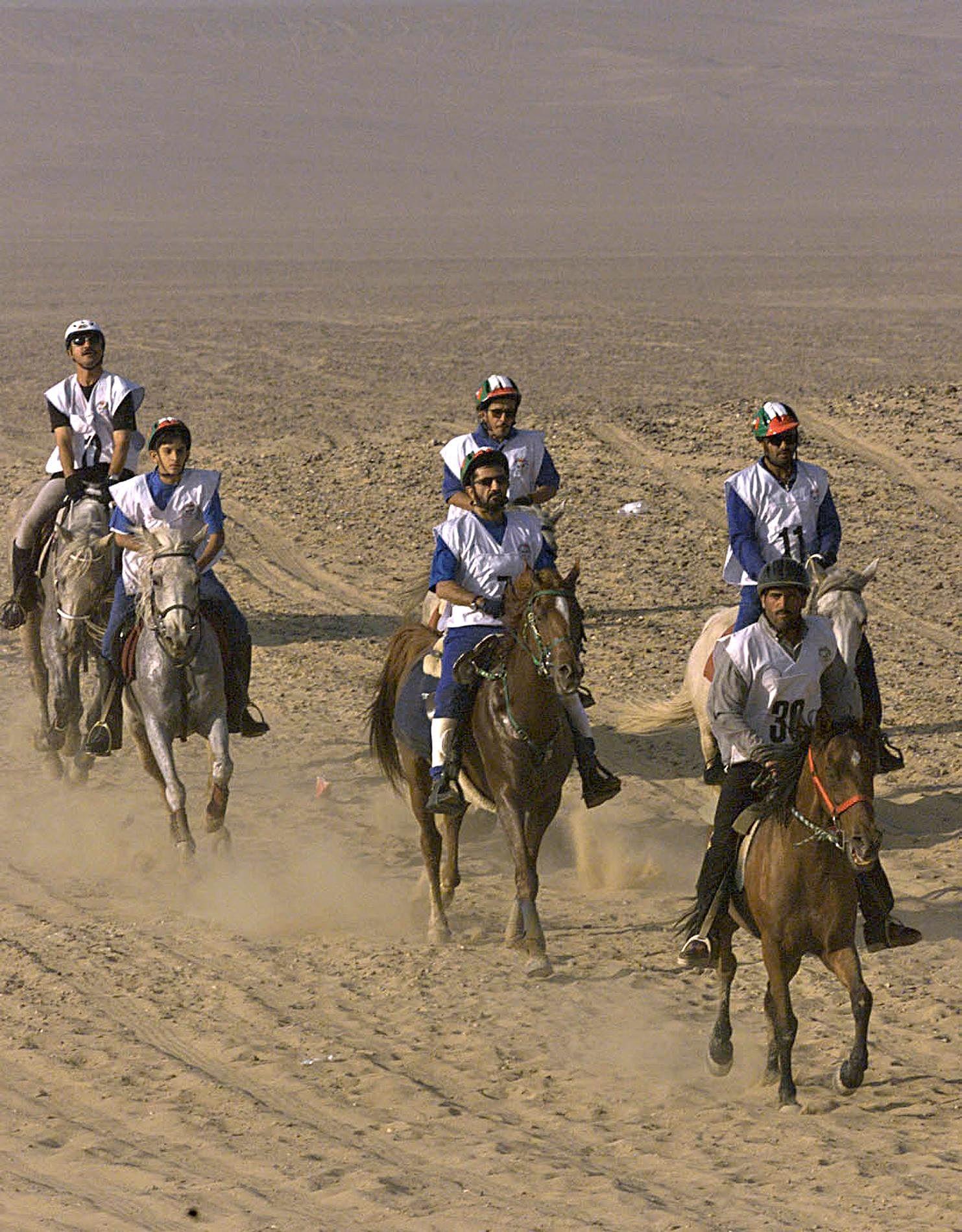
Endurance racing in the United Arab Emirates is more than a sport. It is a living continuation of desert heritage — a discipline rooted in survival, stamina, and the timeless partnership between rider and horse. What began as a cultural necessity in the Arabian Peninsula has evolved into one of the most competitive and internationally recognized equestrian championships in the world.
Today, the UAE stands as a global powerhouse in endurance racing, hosting elite events, developing world-class facilities, and producing riders who compete at the highest international levels.
From Desert Survival to Organized Sport
Historically, endurance riding was not called a “sport.” It was a way of life. Bedouin tribes depended on Arabian horses to travel vast desert distances under extreme heat and unforgiving terrain. The horses that survived and thrived were those with exceptional stamina, heart capacity, and resilience.
That desert DNA remains the foundation of modern endurance racing.
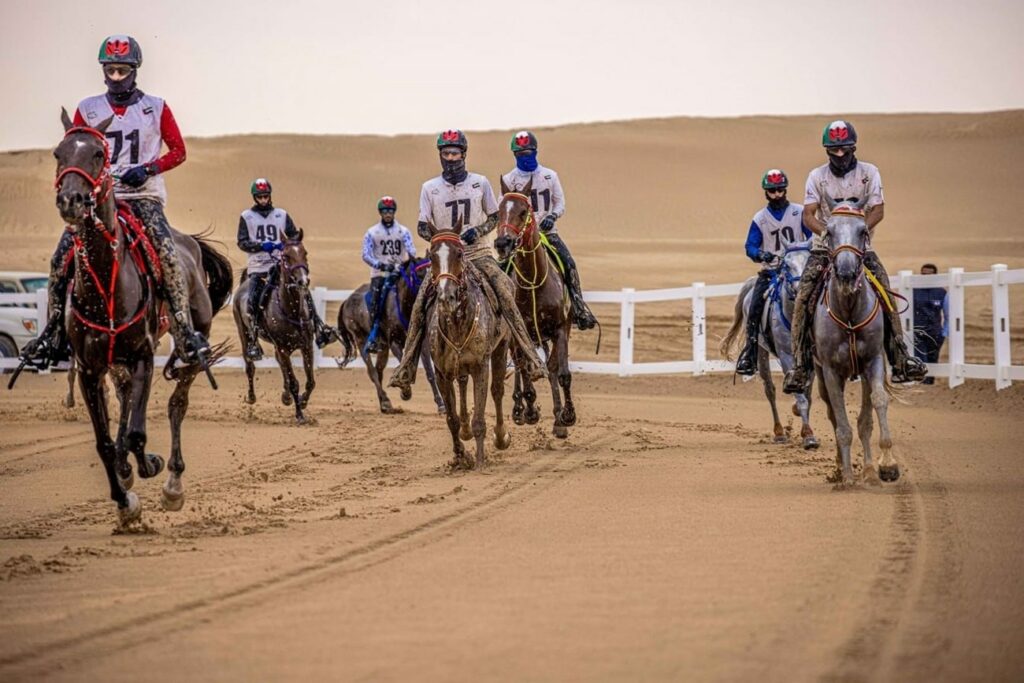
Unlike show jumping or dressage, endurance tests the long-distance capability of both horse and rider. Races can extend from 80 km to 160 km in a single day, divided into phases with veterinary checks between each loop. The objective is not speed alone — it is controlled performance combined with strict health parameters.
The horse must finish fit, hydrated, and sound.
Institutional Growth & Global Recognition
The UAE formalized endurance racing in the 1990s and rapidly invested in infrastructure, veterinary standards, and international compliance. Venues such as:
- Dubai International Endurance City
- Al Wathba Endurance Village
have become iconic names within the international equestrian calendar.
The sport operates under regulations aligned with the Fédération Equestre Internationale (FEI), ensuring veterinary oversight, rider qualification systems, and global ranking structures.
The UAE has hosted multiple FEI World Endurance Championships, reinforcing its reputation as a central hub for the discipline.
The Arabian Horse Advantage
At the heart of UAE endurance success lies the Arabian horse.
Known for:
- Large lung capacity
- Efficient metabolic recovery
- Natural stamina
- Intelligent temperament
Arabian bloodlines dominate endurance racing globally. UAE breeding programs have refined selective lines specifically for endurance performance, focusing on cardiovascular strength and recovery speed rather than purely aesthetic traits.
Veterinary science plays a crucial role. Pre-race conditioning includes heart-rate monitoring, electrolyte balancing, hydration management, and terrain adaptation training.
Endurance is no longer instinct alone — it is science-backed performance.
The Format of an Elite Endurance Race
A typical 120 km or 160 km race includes multiple loops, each followed by a mandatory veterinary inspection.
Key evaluation criteria include:
- Heart rate recovery time
- Hydration levels
- Muscle tone
- Gait soundness
If a horse fails any parameter, elimination is immediate.
This strict system ensures welfare remains central to competition integrity. In recent years, the UAE has implemented tighter compliance measures, technological tracking, and improved stewarding to maintain international standards.
Desert Terrain: The Ultimate Testing Ground
The UAE’s natural desert landscape provides an authentic endurance environment. Soft sand, rolling dunes, and open plains simulate the historical conditions under which Arabian horses evolved.
However, modern racecourses are meticulously prepared. Sand tracks are leveled and maintained to reduce injury risk, while cooling stations and water points are strategically placed along the route.
Night races during cooler months have become increasingly popular, offering dramatic visuals and improved thermal safety.
Youth Development & Women in Endurance
One of the most notable aspects of endurance racing in the UAE is inclusivity.
Young riders begin training through structured equestrian academies, progressing through junior championships before qualifying for senior FEI events. Female participation has also grown significantly, with Emirati women competing and winning at regional and international levels.
Endurance racing in the UAE reflects a broader cultural shift — tradition sustained by modern equality and youth engagement.
Economic & Global Impact
Endurance racing contributes significantly to the UAE’s sports economy. The industry supports:
- Breeding farms
- Veterinary services
- Feed suppliers
- Equipment manufacturers
- International transport logistics
High-profile races attract global competitors from Europe, South America, and Asia, positioning the UAE as both host and competitor on the world stage.
The sport also strengthens diplomatic and sporting relationships through international participation.
Sustainability & Welfare Evolution
In recent years, global scrutiny has pushed endurance racing toward greater welfare transparency. The UAE has responded with:
- Stricter veterinary protocols
- Real-time horse tracking
- Data-based conditioning guidelines
- Enhanced penalty systems for rule violations
The objective is clear: maintain heritage while evolving responsibly.
The Future of UAE Endurance
The next chapter of endurance racing in the UAE is technological.
We are witnessing:
- Biometric monitoring during training
- GPS-based performance analytics
- Advanced hydration science
- Artificial intelligence-assisted conditioning programs
As climate awareness grows, event scheduling is adapting to ensure optimal environmental safety.
Yet despite modernization, the spirit remains unchanged.
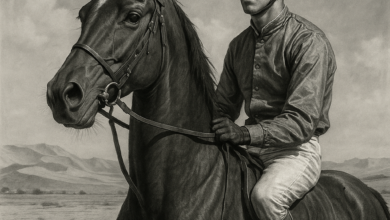
A rider guiding an Arabian horse across the desert horizon still represents the same story that began centuries ago — resilience, trust, and endurance beyond limits.
The UAE has transformed that legacy into a global championship platform without losing its cultural soul.
Endurance racing here is not simply about winning.
It is about honoring history while shaping the future.