By Annette Kaitinis, Co-Founder of Scootboot
For most of my life with horses, I accepted traditional shoeing as a given. It was simply “how
things were done.” I grew up riding, training and competing, eventually showjumping up to 1.30
metres, and like many riders, I never questioned whether shoeing was truly in my horse’s best
interest. Horses wore shoes. Performance horses especially. End of story.

Or so I thought.
It wasn’t until later in my equestrian journey, and prior to launching Scootboot, that I began to
truly understand the hoof. And what I discovered surprised me.
I learned that traditional metal shoes restrict the hoof’s natural movement, reduce circulation,
and can weaken key structures of the hoof capsule over time. I learned that shoes increase
concussion and joint stress, and for showjumping, alters breakover and landing patterns and
also places additional strain on tendons and ligaments. These are well-researched realities of
equine biomechanics. And yet, like many riders, I had never been taught to question them.
That realisation became the catalyst for what would eventually change not only how I managed
my own horses, but also the direction of my professional life from that of a lawyer to an equine
entrepreneur.
A Journey into Hoof Health
Over the past eleven years, I have immersed myself in the study of hoof health and equine
welfare. What began as general research prior to launching Scootboot ultimately became my
purpose. The more I learned, the more it became clear that the hoof is not simply a rigid
structure designed to be protected with metal, but a dynamic, living mechanism engineered to
flex, absorb shock, circulate blood and provide vital sensory feedback to the horse
This understanding formed the foundation of Scootboot and what we strive for.
Scootboot is an Australian company producing premium, patented hoof boots designed to
support horses across all disciplines, from pleasure riding and endurance to showjumping,
dressage and rehabilitation. Our philosophy is simple – allow the hoof to function as nature
intended, while providing protection only when and where it is needed.
Why Hoof Boots and Why Scootboots?
Hoof boots are not shoes. They are worn when required and removed when not, allowing the
horse to remain barefoot the majority of the time.
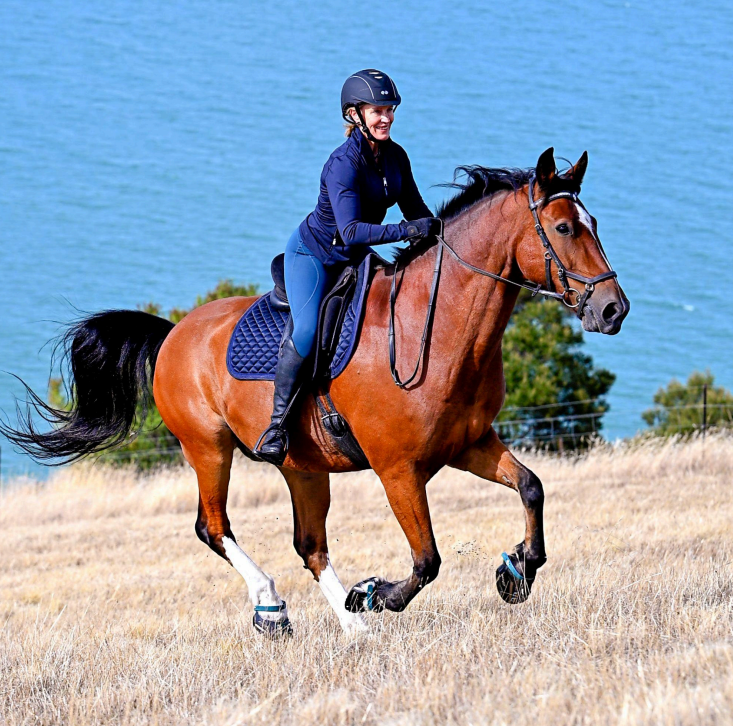
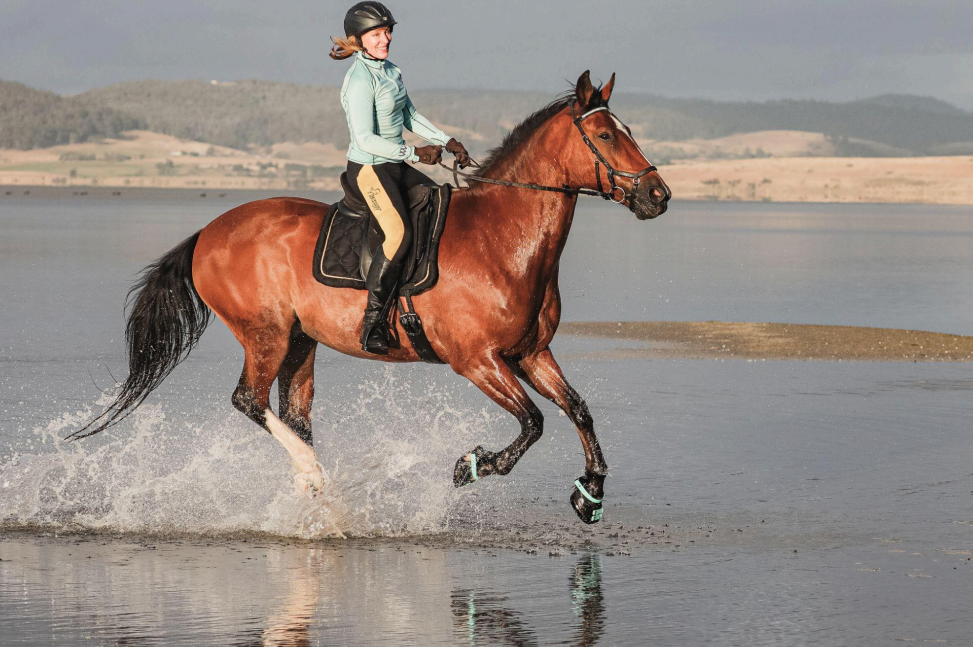
What sets Scootboots apart from other hoof boots is their design. They are lightweight, slimline
and flexible, moving with the horse rather than against it. The open-toe design allows the toe to
sit naturally at the front of the boot, eliminating pressure on the toe and enabling optimal
breakover. Unlike many boots that secure tightly around the heel bulbs, often causing pressure
and rubbing, Scootboots leave the bulbs exposed, allowing unrestricted movement and comfort.
The sole is shaped to emulate that of a barefoot horse, providing protection while still allowing
the hoof to “feel” the ground through its natural proprioceptive ability. This sensory feedback is
essential for balance, coordination and injury prevention. Side-parallel vents ensure excellent
ventilation, reducing moisture retention and bacterial build-up, particularly important in warm
and humid climates. Even daily care is simpler: after a ride, you can hose your horse off with the
boots still on.
Every design detail exists for one reason, to support natural hoof function without compromise
Performance Without Shoes
One of the most persistent myths in equestrian sport is that barefoot horses cannot perform at
the highest level. The reality could not be further from the truth, and the Swedish showjumping
team that won gold at the Tokyo Olympics proves that.
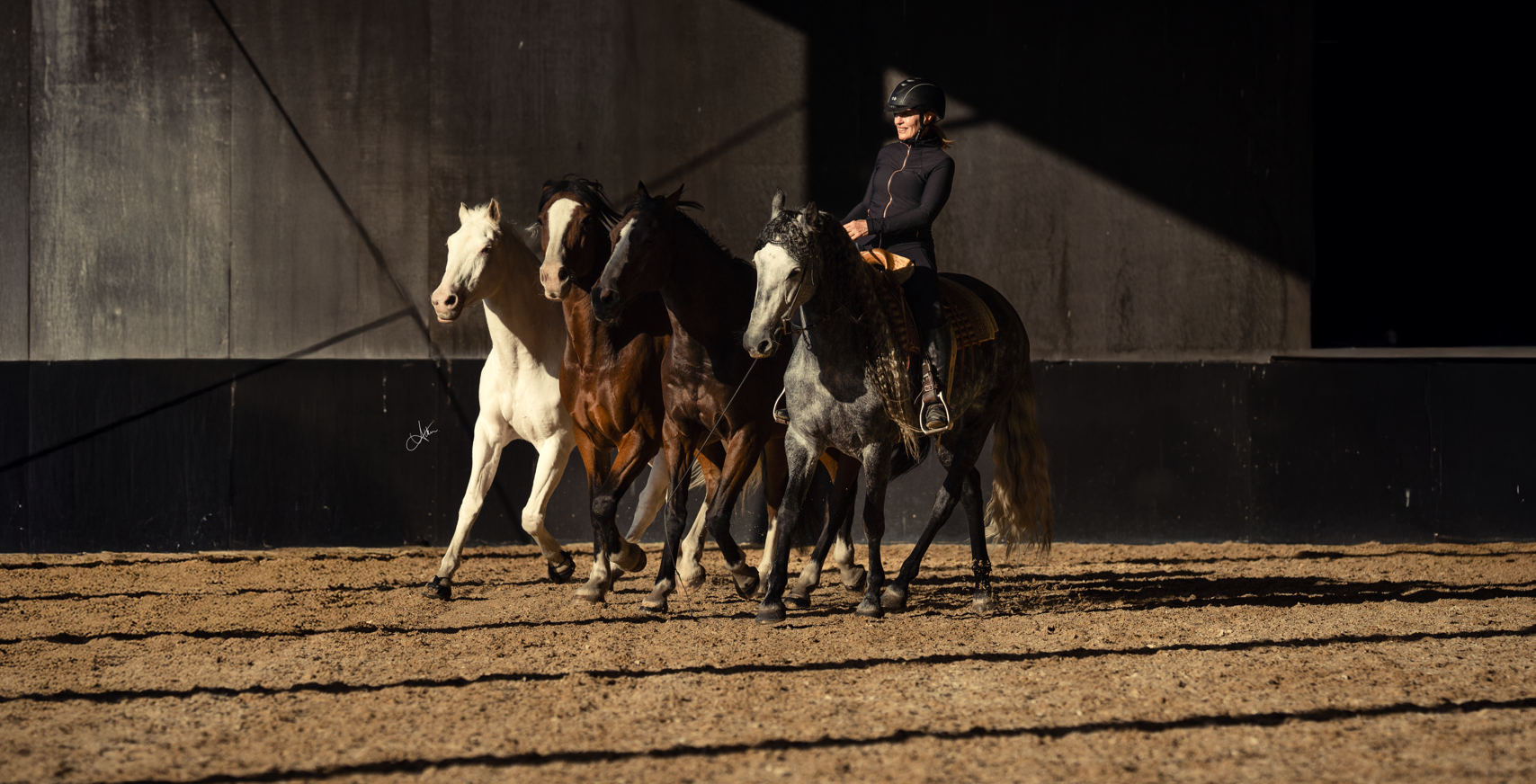
Today, Scootboots are used in approximately 100 countries across the globe. Riders from every
discipline trust them, not only recreational riders, but elite professionals at the very top of their
sport. World Champion showjumper Peder Fredricson of Sweden keeps his horses barefoot and
trains in Scootboots. Henrik von Eckermann successfully transitioned his now retired World
Champion King Edward to barefoot using Scootboots.
These athletes demand peak performance, soundness and longevity from their horses, and they
would not compromise on hoof care if it affected results.
Science supports this shift. A recent Swedish study comparing shod and barefoot hooves found
that barefoot hooves can move up to 50% more than hooves fitted with traditional shoes. This
increased movement enhances shock absorption, circulation and overall hoof health. These are
key factors in long-term soundness and performance. It helps explain why so many horses
improve once they transition to barefoot management.
Designed for Every Hoof
No two hooves are the same, which is why Scootboots are available in various designs. The
Scootboot Classic is ideal for short toe, low heel hooves and is widely regarded as one of the
most secure hoof boots available. When paired with our MultiPurpose Gaiter, it offers enhanced
comfort, protection and stability.
For horses with higher heels or more challenging hoof shapes, our Scootboot Adjust provides a
fully customisable fit. Once adjusted, these boots are just as easy to use as the Classics, while
accommodating a wider variety of hoof conformations.
My Horse, My Experience
My present beloved horse is a Friesian Warmblood cross and uses Scootboots on nearly every
ride, unless we are working in the dressage arena or riding on soft beach sand. I use them for
comfort, traction and protection, but more importantly, because my horse moves freely and
confidently in them. His muscles and skeletal system function as they should, without restriction
or compensation.
I occasionally engage a bodyworker, but I’m consistently told there is very little to address, no
tight muscle groups, no areas of tension. I firmly believe this is because he is comfortable in his
body and not compensating for discomfort in his feet.
Although most load is carried through the front hooves, I use Scootboots on all four feet. My
horse’s hind hoof capsules sit quite low, and wearing Scootboots helps prevent excessive wear,
keeping his hooves at an optimal height and balance. I also use a very experienced barefoot
trimmer who has worked hard at backing up the rear heels and correcting alignment.
Scootboots allow the capsule to build instead of wear. It is so important that you not only correct
hooves but protect them as well.
I always use the MultiPurpose Gaiters with my Scootboot Classics. Because his hind hooves
are slightly more difficult to fit, when using the Classics there is a bit of a gap that is taken up by
using MultiPurpose gaiters which fill the void perfectly, providing added security and eliminating
any risk of movement or loss.
Considering Barefoot?
For those sitting on the fence about transitioning to barefoot, the process is often far simpler
than imagined. Engage a qualified barefoot trimmer or farrier, maintain a four to six week trim
cycle, ensure your horse has sufficient movement and is not confined, provide a balanced,
forage-based diet, and use hoof boots for protection during work.
The reward is a horse that is more comfortable, more confident and often more expressive in its
movement. Hoof health improves, long term soundness is supported, and the constant cycle of
lost shoes due to brittle, cracked or weak hoof walls that don’t hold nails well becomes a thing of
the past.
For me, barefoot is how a horse should be,
and Scootboots exist to make that transition seamless, wherever in the world you ride