
In the equestrian world, nutrition is far more than feeding—it is a science that determines a horse’s health, endurance, behavior, and longevity. A well-balanced diet is the foundation upon which performance and vitality are built.
Understanding how to feed a horse properly is essential for achieving optimal results, whether in competition, breeding, or everyday care.
🌿 Forage: The Core of Every Diet
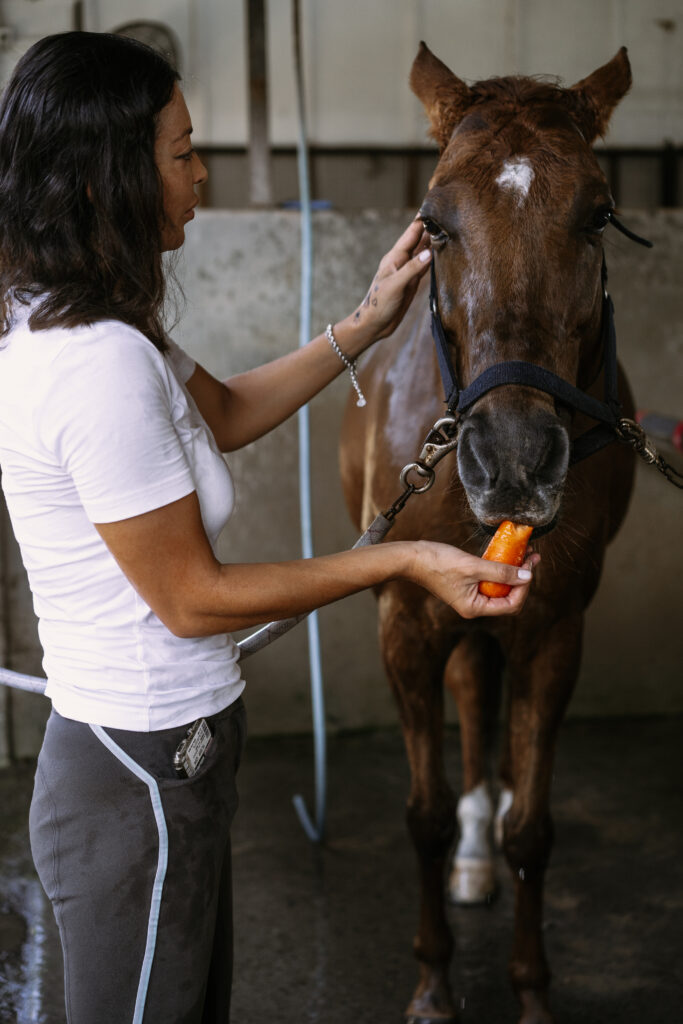
Forage is the most important component of a horse’s diet. Grass and hay should make up at least 70–80% of daily intake. Horses are natural grazers, designed to eat continuously in small amounts.
Forage provides:
- Essential fiber for digestion
- Stable energy release
- Support for gut health
High-quality hay should be clean, dust-free, and nutritionally balanced. Poor-quality forage can lead to respiratory issues and inadequate nutrition.
🌽 Concentrates: Energy for Performance
Horses involved in demanding activities require additional energy. Concentrates such as grains and commercial feeds provide this boost.
Common options include:
- Oats (quick energy)
- Barley (higher calorie content)
- Pelleted feeds (balanced nutrition)
However, concentrates must be carefully managed. Overfeeding can lead to:
- Colic
- Laminitis
- Behavioral changes
The key is balance—concentrates should supplement, not replace, forage.
💧 Hydration: The Forgotten Essential
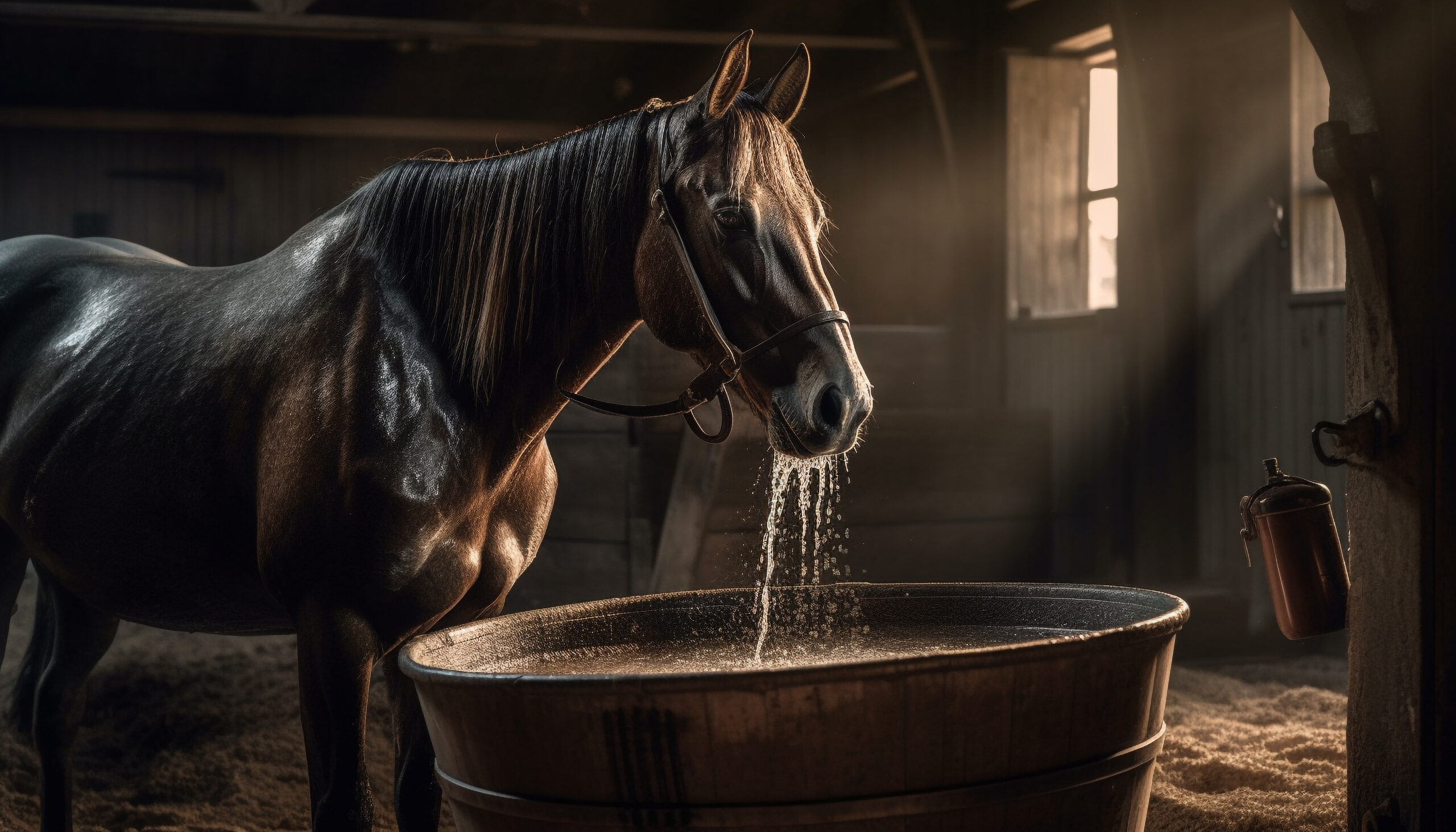
Water is critical to every biological function. Horses can consume 20 to 50 liters daily, especially in hot climates like the UAE.
Dehydration can quickly lead to serious health issues. Clean, fresh water must always be available, and intake should be monitored regularly.
⚡ Electrolytes and Heat Management
In hot environments, horses lose significant amounts of electrolytes through sweat. These include:
- Sodium
- Potassium
- Chloride
Supplementation helps maintain hydration, muscle function, and overall performance.
This is particularly important for:
- Racing horses
- Polo ponies
- Endurance athletes
🧬 Vitamins and Minerals
A balanced diet must include essential nutrients:
- Calcium & phosphorus for bone health
- Vitamin E for muscle function
- Magnesium for nerve stability
While many feeds are fortified, some horses may require additional supplements depending on workload and condition.
⚖️ Feeding Based on Individual Needs
Every horse is different. Diet should be tailored based on:
- Age
- Activity level
- Breed
- Health condition
For example:
- Young horses need protein for growth
- Older horses need softer, digestible feeds
- Performance horses need higher ऊर्जा intake
🚫 Common Feeding Mistakes
Mistakes in feeding can have serious consequences:
- Feeding large meals instead of small portions
- Sudden changes in diet
- Too much grain, too little forage
- Ignoring hydration
Consistency is key. Horses thrive on routine and gradual adjustments.
🐎 Nutrition and Performance
A properly nourished horse shows:
- Better stamina
- Improved muscle tone
- Faster recovery
- Stable temperament
Nutrition directly influences not just physical performance, but mental focus and behavior.
🌍 Feeding Horses in the UAE
In regions like the UAE, natural grazing is limited. This makes feed management more controlled but also more dependent on human decisions.
Owners must ensure:
- High-quality imported hay
- Proper storage to avoid spoilage
- Adequate hydration due to heat
🔮 Final Perspective
Horse nutrition is both an art and a science. It requires attention, consistency, and understanding of each horse’s unique needs.
When done correctly, it enhances every aspect of a horse’s life—from health and comfort to performance and longevity.
A well-fed horse is not just healthy—it is confident, energetic, and ready to perform at its best.
