In modern equestrian care, nutrition has become one of the most critical factors influencing a horse’s health, performance, and longevity. By 2026, horse feeding is no longer based on tradition alone—it is guided by science, precision, and a deeper understanding of equine biology.
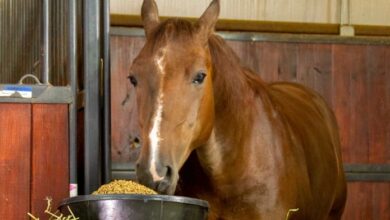
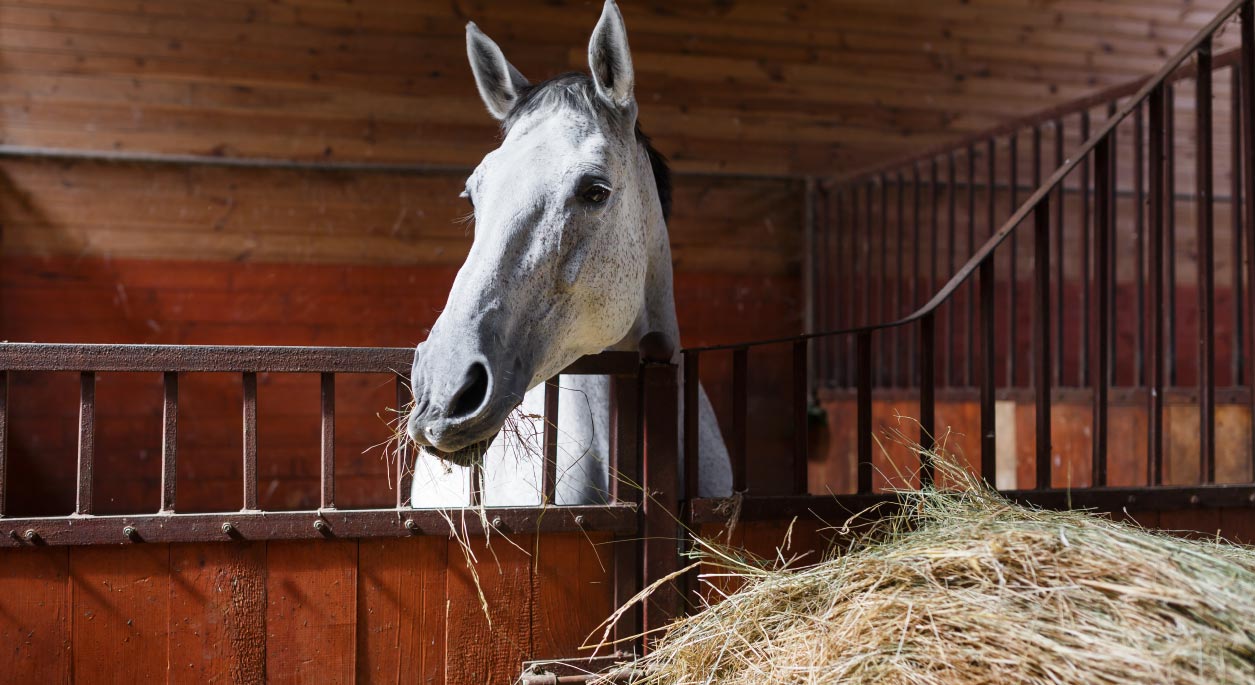
The foundation of any horse’s diet remains forage. High-quality hay or pasture provides the fiber necessary for proper digestion. Horses are naturally grazing animals, designed to consume small amounts of food continuously throughout the day. This natural behavior must be respected in feeding routines to prevent digestive issues and maintain overall health.

However, modern nutrition goes far beyond forage. Today’s horses receive carefully balanced diets tailored to their individual needs. Performance horses, for example, require higher levels of energy and protein to support muscle development and recovery. On the other hand, older horses may need softer, more digestible feeds that are easier on the digestive system.
Protein plays a vital role in equine nutrition. It supports muscle growth, tissue repair, and overall body function. In high-performance environments, ensuring the correct balance of protein is essential. Too little protein can lead to ضعف in muscle development, while too much can place unnecessary strain on the body.
Vitamins and minerals are equally important. Calcium and phosphorus support bone strength, while magnesium plays a role in muscle function and relaxation. Vitamins contribute to immune health and overall vitality. In many cases, supplements are used to ensure that horses receive a complete and balanced nutritional profile.
Hydration is another critical aspect that is often underestimated. Horses require constant access to clean water, especially in hot climates. Even slight dehydration can affect performance and lead to serious health complications. Proper hydration supports digestion, circulation, and temperature regulation.
One of the most significant developments in recent years is the focus on gut health. A healthy digestive system is essential for nutrient absorption and overall well-being. Probiotics and prebiotics are now commonly used to support gut balance, reducing the risk of digestive issues and improving overall health.
Feeding practices have also become more structured. Instead of large, infrequent meals, horses are fed smaller portions throughout the day. This approach aligns with their natural grazing behavior and helps prevent مشاكل like colic and digestive stress.
Another emerging trend is the use of natural and organic feeds. Many horse owners are moving away from heavily processed products in favor of more natural alternatives. This shift reflects a broader understanding of how diet affects long-term health and performance.
Technology is also playing a role in modern horse nutrition. Smart feeding systems can monitor intake, adjust portions, and provide real-time data. This allows owners and trainers to make informed decisions and ensure that each horse receives exactly what it needs.
The connection between nutrition and performance cannot be overstated. A well-fed horse is stronger, more energetic, and more resilient. Proper nutrition supports not only physical performance but also mental well-being, creating a balanced and healthy animal.
In 2026, horse nutrition is a precise science that combines tradition with innovation. By understanding and applying modern feeding principles, horse owners can ensure that their animals live longer, healthier, and more productive lives.