“True performance is not measured in speed alone—it is measured in trust, rhythm, and the unspoken bond between horse and rider.”
Equestrian performance is unlike any other form of excellence. It is not driven by machinery or automation, but by a living, breathing partnership. Horse and rider move as one, guided by instinct, training, and trust.
In this world, performance is not forced—it is earned

The Foundation of Equine Strength
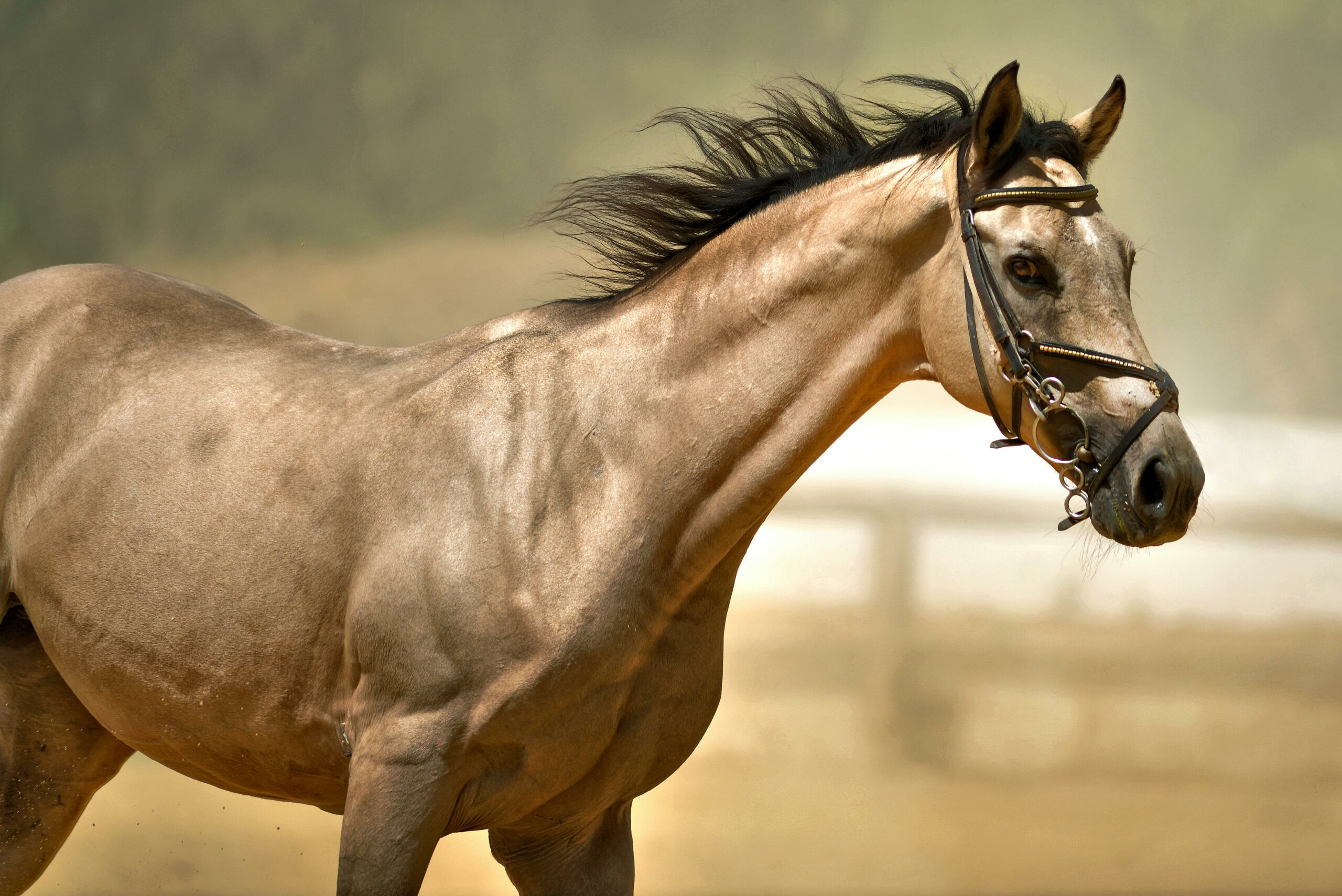
A horse’s performance begins with its physical condition. Strength, endurance, and flexibility define its capability.
Muscle development is carefully managed through:
- Structured training routines
- Balanced nutrition
- Recovery and rest
The result is a powerful yet controlled athlete.
Precision Through Training
Training is where performance is refined. It is not about dominance but communication.
Riders use subtle cues—body weight, reins, voice—to guide the horse. Over time, this creates a silent language understood only by the pair.
Precision is achieved not through force, but through consistency.
The Role of Trust
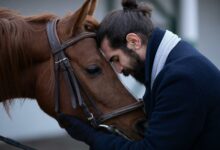
Trust is the defining factor in equestrian performance.
A horse must trust its rider completely—especially in high-pressure situations like racing or polo. Without trust, even the strongest horse cannot perform at its peak.
This bond is built over time, through patience and respect.
Performance in Competitive Arenas
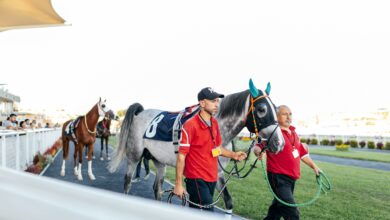
From polo fields to racing tracks, equestrian sports demand peak performance.
Speed, agility, and responsiveness are tested under pressure. The best horses are not just physically strong—they are mentally resilient.
The Importance of Breed and Lineage
Certain breeds are naturally suited for performance. Arabian horses, for example, are known for their endurance and intelligence.
Genetics play a role, but training and care ultimately define success.
Mental Synchronization
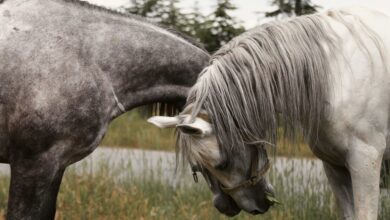
Horses are highly sensitive animals. They respond to emotion, energy, and intention.
A calm, focused rider creates a calm, focused horse. This synchronization is essential for consistent performance.
The Evolution of Equestrian Excellence
Modern equestrian practices incorporate:
- Advanced nutrition plans
- Veterinary science
- Performance tracking
Yet tradition remains at the core. The essence of horsemanship has not changed.
Conclusion
Equestrian performance is not just about winning—it is about connection.
It is a balance of power and grace, discipline and instinct. It is a reminder that true excellence is never achieved alone.