Summer Horse Care: Keeping Your Horse Healthy in Hot Weather
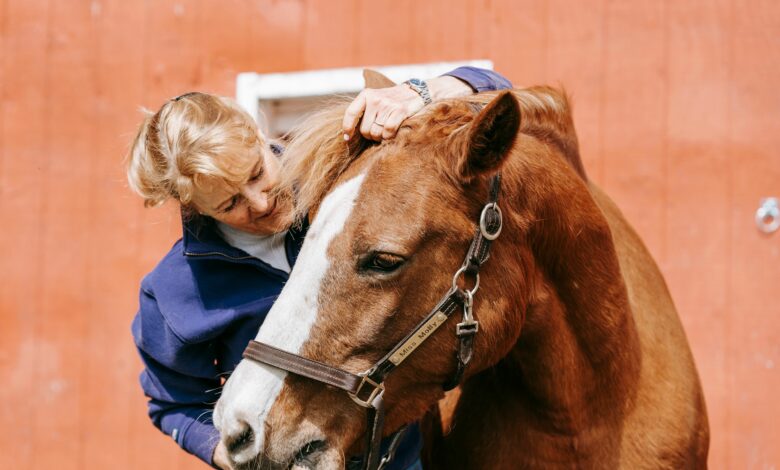
As temperatures rise across the UAE and the wider Middle East, horse owners face new challenges in maintaining the health and wellbeing of their equine partners. Summer can be particularly demanding for horses, making proper care essential to ensure they remain comfortable, hydrated, and ready to perform.
One of the most important aspects of summer horse care is hydration. Horses can lose significant amounts of fluid through sweating, especially during exercise. Fresh, clean water should always be available, and owners should regularly check water sources to ensure they remain cool and uncontaminated. Electrolyte supplements may also help replace minerals lost through sweat, particularly for horses in regular training.
Providing shade is equally important. Whether in paddocks or turnout areas, horses should have access to shelter from direct sunlight during the hottest parts of the day. Extended exposure to intense heat can increase the risk of heat stress and fatigue.
Exercise routines may need adjustment during summer months. Early morning and evening sessions are generally safer than midday training when temperatures peak. Riders and trainers should monitor horses carefully for signs of overheating, including excessive sweating, rapid breathing, lethargy, and reduced performance.
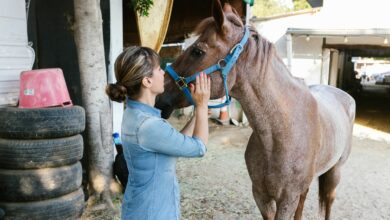
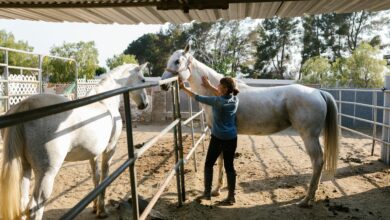
Proper grooming also plays a major role in summer care. Regular brushing removes dirt, sweat, and loose hair, helping the skin remain healthy and allowing better air circulation through the coat. Horses that sweat heavily may benefit from rinsing after exercise to cool their bodies and prevent skin irritation.
Fly control becomes another priority during warmer weather. Flies and insects can cause discomfort, stress, and skin problems. Fly masks, sprays, and proper stable management can help minimize insect-related issues and keep horses more comfortable.
Nutrition should also be reviewed seasonally. Horses often require adjustments to their feeding programs depending on activity levels and environmental conditions. Working closely with a veterinarian or equine nutritionist can help ensure horses receive the nutrients needed to maintain energy, muscle condition, and overall health.
Hoof care should never be overlooked. Hot weather and changing ground conditions can affect hoof quality and comfort. Regular farrier visits remain essential for maintaining balance, soundness, and performance.
Respiratory health is another consideration. Dust levels can increase during dry summer conditions, particularly in arenas and stables. Good ventilation and dust management help reduce respiratory irritation and support overall wellbeing.
Summer can be a rewarding season for horse owners, offering opportunities for riding, training, and competition. However, success depends on understanding the effects of heat and taking proactive steps to protect equine health.
By focusing on hydration, nutrition, grooming, exercise management, and environmental comfort, owners can help their horses remain healthy and happy throughout the season. A well-cared-for horse is not only safer and more comfortable but also better prepared to perform at its best, whether in competition or leisure riding.