The Strategy Behind the Sport: Why Polo Is Called the Game of Kings
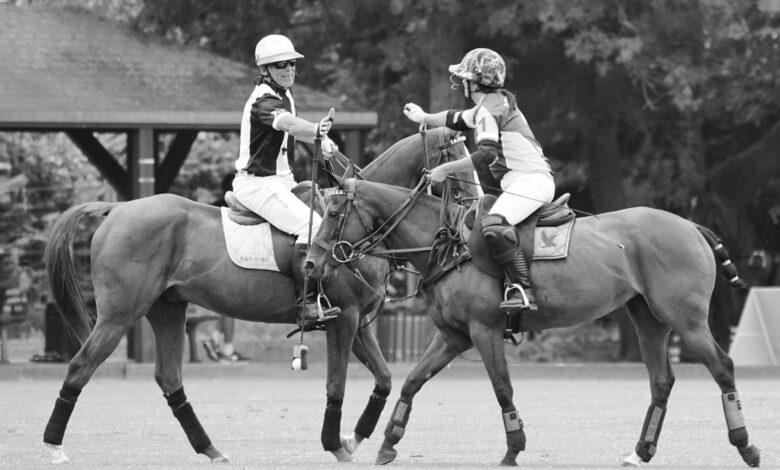
Polo has long been regarded as one of the world’s most prestigious equestrian sports, combining athleticism, precision, and teamwork in a way few disciplines can match. Often referred to as the “Game of Kings,” polo has evolved from its ancient origins into a modern international sport enjoyed by players and spectators across the Middle East, Europe, South America, and beyond.
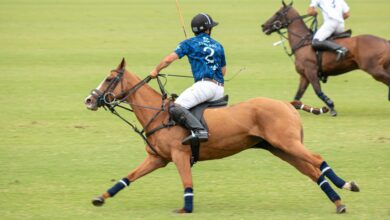
Unlike many sports, success in polo depends on the perfect partnership between horse and rider. A polo player must think strategically while maintaining complete control of the horse at high speeds. Every pass, defensive move, and goal requires exceptional communication between rider and mount, making polo a true display of horsemanship.
One of the defining features of polo is the use of multiple horses during a match. A standard game consists of several periods known as chukkas, and players typically change horses between each one. This ensures that every horse remains fresh and performs at its highest level throughout the match. These specially trained polo ponies are known for their agility, speed, quick acceleration, and ability to change direction instantly.
Training a polo horse is a gradual process that begins long before it enters competitive play. Horses are carefully introduced to the sounds of the game, including swinging mallets, fast-moving balls, cheering crowds, and close contact with other horses. They must develop confidence, responsiveness, and trust in their riders to perform safely and effectively under pressure.
Fitness plays an equally important role for both horse and rider. Polo demands explosive bursts of speed followed by rapid stops and sharp turns, placing significant physical demands on the horse. Proper conditioning, balanced nutrition, regular veterinary care, and recovery routines help maintain peak performance throughout the season. Riders also follow structured fitness programs to improve strength, balance, endurance, and coordination.
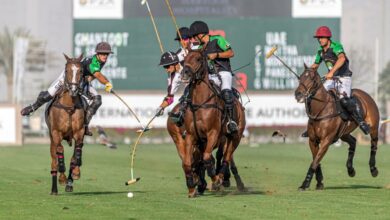
Polo is often described as a game of strategy rather than simply speed. Teams must constantly adjust their tactics, anticipate opponents’ movements, and position themselves effectively across the field. Communication between teammates is essential, as successful attacks are built through accurate passing and intelligent positioning rather than individual effort alone.
Today, polo continues to grow across the Gulf region, where world-class tournaments attract elite players and international audiences. Countries such as the United Arab Emirates have invested heavily in developing polo clubs, training facilities, and breeding programs, helping establish the region as an important destination on the global polo calendar. These events celebrate not only competitive excellence but also the rich equestrian traditions deeply rooted in Arab culture.
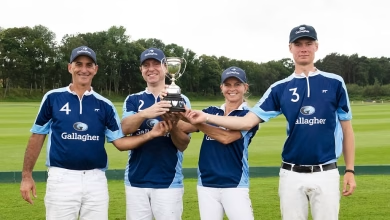
Beyond competition, polo promotes values that extend far beyond the field. Discipline, patience, respect for horses, teamwork, and sportsmanship remain central to the game. Every successful player understands that victory is built through preparation, partnership, and dedication rather than individual talent alone.
As polo continues to inspire new generations of riders, it remains one of the finest examples of the unique bond between humans and horses. Combining elegance with intensity, tradition with innovation, and strategy with athletic excellence, the sport continues to captivate audiences around the world. Whether watched from the sidelines or experienced on horseback, polo represents the enduring spirit of equestrian excellence and the timeless partnership that defines this remarkable sport.