The Timeless Bond Between Arabian Horses and the Desert: A Heritage That Lives On
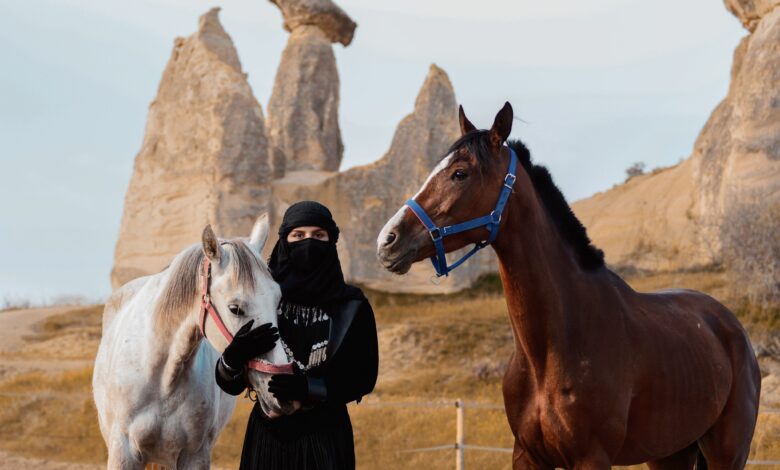
For centuries, the Arabian horse has stood as one of the most treasured symbols of the Arab world, embodying courage, loyalty, endurance, and grace. More than simply a magnificent breed, the Arabian horse represents a living connection to the traditions and culture of the desert, where survival depended on the unique relationship between horse and rider. Today, despite rapid modernization across the GCC, this remarkable bond continues to thrive, celebrated through world-class equestrian events, prestigious breeding programs, and a deep appreciation for heritage.
The origins of the Arabian horse can be traced back thousands of years to the deserts of the Arabian Peninsula. Bedouin tribes carefully bred these horses for their intelligence, stamina, and ability to endure harsh desert conditions. Unlike many other breeds, Arabian horses often lived alongside their owners, becoming trusted companions as much as reliable partners in travel and battle. This close relationship helped develop the horse’s calm temperament and exceptional loyalty—qualities that remain highly valued today.
One of the defining characteristics of the Arabian horse is its extraordinary beauty. With its refined head, expressive eyes, arched neck, and naturally elevated tail carriage, the breed possesses an unmistakable elegance that has captivated enthusiasts worldwide. Beyond appearance, Arabian horses are renowned for their remarkable endurance, making them one of the preferred breeds for long-distance endurance competitions. Across the UAE, Saudi Arabia, Qatar, Bahrain, Kuwait, and Oman, endurance racing continues to attract elite riders and breeders from around the globe.
In the United Arab Emirates, the commitment to preserving equestrian heritage is stronger than ever. The country hosts internationally recognized horse shows, endurance championships, and cultural festivals that celebrate the enduring legacy of Arabian horses. Prestigious events such as the Abu Dhabi International Hunting and Equesestrian Exhibition (ADIHEX), Dubai International Arabian Horse Championship, and numerous endurance competitions highlight the region’s dedication to promoting excellence in breeding, training, and horsemanship.
Modern breeding farms across the GCC combine centuries-old bloodlines with advanced veterinary care and scientific breeding techniques. Owners invest heavily in nutrition, genetics, and equine welfare to ensure that future generations continue to meet the highest international standards. This blend of tradition and innovation has positioned the Gulf region as one of the world’s leading centers for Arabian horse breeding.
Equestrian tourism has also grown significantly in recent years. Visitors from around the world travel to experience desert riding adventures, luxury equestrian resorts, and exclusive horse breeding facilities. These experiences provide a unique opportunity to witness firsthand the beauty of the Arabian horse while gaining a deeper understanding of the cultural traditions that surround it.
Beyond sport and competition, Arabian horses remain powerful ambassadors of Arab identity. They appear in literature, art, architecture, and national celebrations, serving as enduring symbols of pride and resilience. For many families across the region, owning or working with Arabian horses is not merely a hobby but a way of preserving a legacy that has been passed down through generations.
As the equestrian world continues to evolve, one thing remains unchanged: the timeless connection between the Arabian horse and the people who cherish it. Whether galloping across golden dunes, competing on the international stage, or inspiring future generations through cultural events, the Arabian horse continues to embody the spirit, elegance, and heritage of the Arab world.
For enthusiasts, breeders, and admirers alike, this extraordinary partnership serves as a reminder that while technology and lifestyles may change, true heritage endures—carried forward with every stride of one of history’s most remarkable horses.