World-Class Show Jumping Meets the Pyramids of Giza
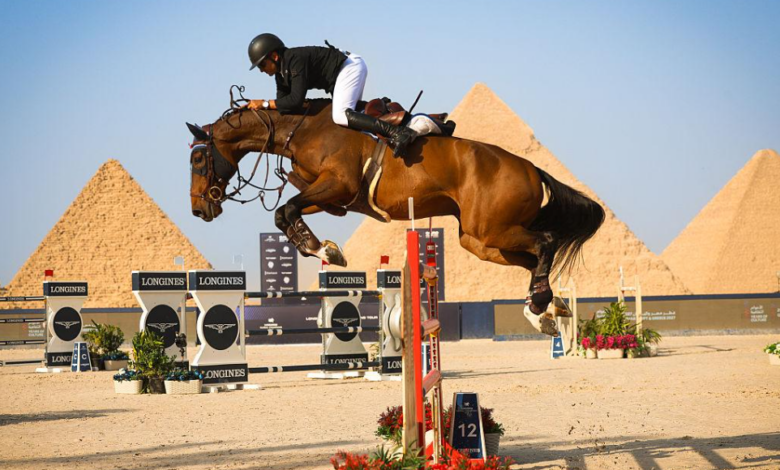
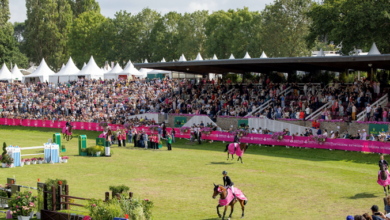
The historic Pyramids of Giza provided a remarkable setting for international equestrian sport as the Longines Global Champions Tour brought elite show jumping to Cairo.
The competition united leading riders, exceptional horses, and one of the world’s most recognizable cultural landmarks, creating a memorable occasion for Egypt’s growing equestrian community.
Beyond the sporting spectacle, the event also brought renewed attention to horse welfare and the importance of improving conditions for working animals in the surrounding region.
A Spectacular International Competition
The Cairo stage of the Longines Global Champions Tour took place from October 22 to 24, bringing international show jumping to the Pyramids.
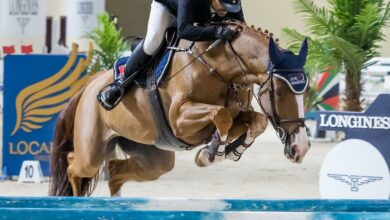
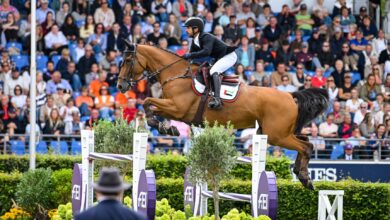
The event formed part of the prestigious championship series, which attracts leading riders competing at some of the world’s most distinctive venues.
According to World of Showjumping, the Cairo competition featured an impressive international line-up and a total prize fund of approximately €1.75 million.
Leading competitors included Ben Maher, Christian Kukuk, Daniel Deusser, and several other established international riders.
Egyptian riders Nayel Nassar and Sameh El Dahan also added local significance to the competition.
Equestrian Sport and Cultural Heritage
Hosting a major international sporting event beside the Pyramids created a distinctive connection between modern competition and ancient history.
Horses have played an important role in Egyptian culture for centuries, contributing to transportation, agriculture, and sporting traditions.
The Cairo competition offered an opportunity to celebrate this heritage while introducing international audiences to Egypt’s developing equestrian ambitions.
For readers interested in show jumping and equestrian events, the event demonstrated how prestigious sporting competitions can also promote tourism and cultural exchange.
Horse Welfare Takes Centre Stage
Alongside the competition, attention focused on the welfare of working horses operating around the Pyramids and the wider Giza region.
Concerns about access to veterinary care, suitable nutrition, clean water, and humane working conditions have been raised by animal welfare organizations.
Following the event, the Egyptian Equestrian Federation, Longines Global Champions Tour, and their partners announced a five-year initiative intended to improve conditions for working equines.
According to Horse Times Egypt, the programme will initially focus on approximately 700 horses, with plans to extend support to around 2,000 animals in a later phase.
A Long-Term Commitment
The initiative brings together equestrian authorities, veterinary organizations, and animal welfare specialists.
Its priorities include improving access to feed, water, essential medication, and veterinary treatment.
Education for horse owners and handlers will also play an important role.
The programme includes monitoring arrangements and independent oversight intended to support accountability and measurable progress.
International welfare charity Brooke is among the organizations involved.
However, the success of the initiative will depend on sustained implementation and meaningful improvements in the daily lives of working animals.
A Lasting Legacy for Egyptian Equestrian Sport
The Cairo event demonstrated Egypt’s ability to attract international equestrian competition to a globally recognized destination.
Its longer-term significance may also depend on the welfare improvements that follow.
Major sporting events can create opportunities for investment, education, and stronger standards of animal care.
For Egypt, the combination of world-class show jumping and a commitment to improving working-horse welfare could represent an important development in the country’s equestrian future.
The challenge now is to ensure that the attention generated by the competition translates into lasting benefits for horses, owners, and local communities.