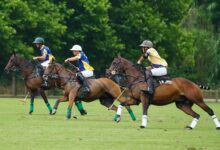
Off-season: how to protect the polo player’s performance and back between seasons
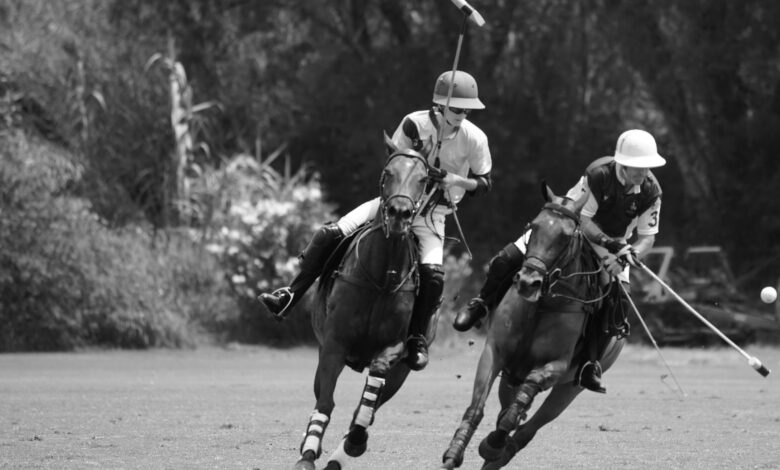
by Mauro Ramírez – Physical Education Professor – Sports Coach
High-performance polo isn’t sustained solely by talent, good horses, and hours of practice. Longevity in the sport depends, among other things, on how well the transition between seasons is managed.
The off-season isn’t just an impromptu break; it’s the bridge that determines whether a polo player can maintain their competitive level over time or slowly begins to lose it. The problem is that, in many cases, this bridge doesn’t exist; the player doesn’t reduce the intensity, doesn’t unwind, and competes all year round under the same mindset.
This article proposes clear criteria on what is advisable to do and what is not, always seeking to preserve the physical integrity of the polo player, while also focusing on maximizing performance for the next season.
The proximity of the next season and the presence of previous discomforts should guide decisions during the off-season.
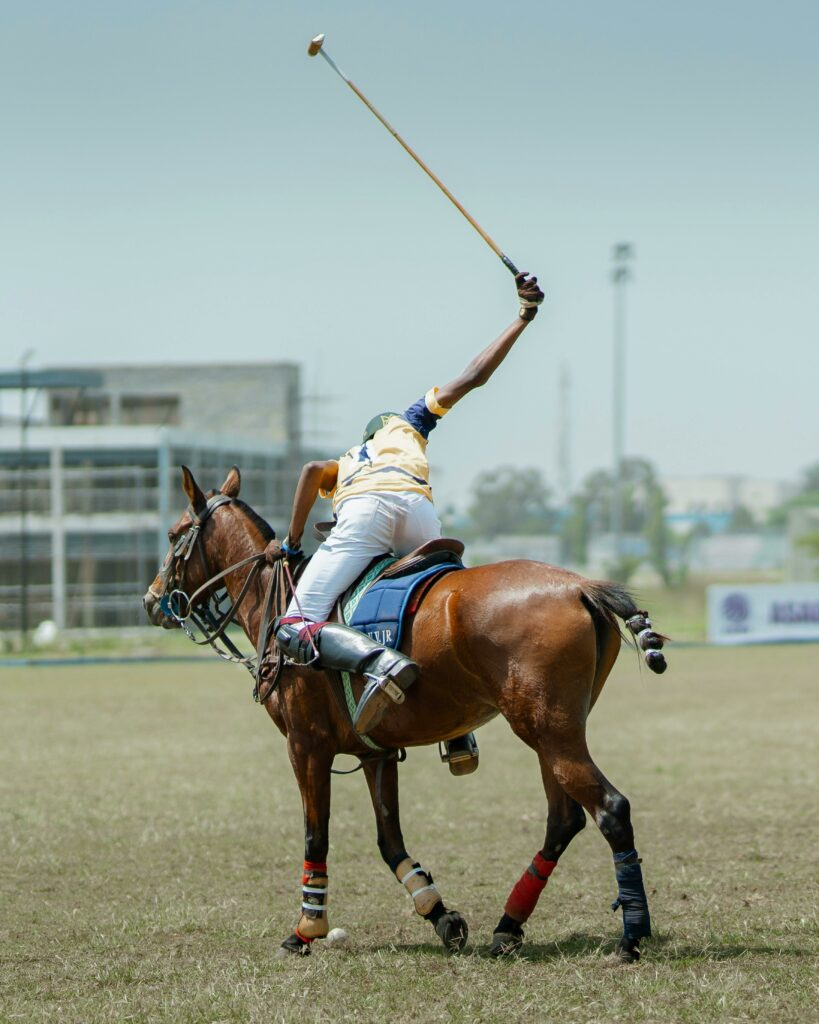
What not to do
- Avoid prolonged periods of total inactivity (“absolute inactivity”), as this can affect muscle mass, and regaining it can be more difficult. Wall, BT, et al. (2013)
- Under no circumstances should you continue with your normal routine. Stay off the horse and stop the practice for at least a few weeks. After a season, your lower back is strained; you need to decompress that area.
- Don’t reduce your water intake; hydration is key to recovery.
- Don’t keep your sleep hours below 7-9. (National Sleep Foundation)
On the other hand, taking into account the points mentioned above, we must plan for the post-season.
What to do
- Eliminate your strict, structured workouts.
- Medical consultation, for discomfort or injuries.
- Maintain a self-regulated activity; you manage your own pace and intensity.
All of this must be the result of conscious planning, not improvisation.
These actions can mean the difference between a long-serving, active polo player and a young player who had potential but was held back by injuries or discomfort. Even for aspiring or enthusiastic players, working diligently can make a difference in their performance on the field.
On the other hand, I’ve included two important details below that, in my opinion, are essential. They’re set aside because they require a more detailed explanation.
Self-assessment:
Don’t just focus on the results; go deeper. At what point during the season did you feel the most tired? Do you notice a lack of strength in specific situations? Does your performance feel stagnant despite playing regularly? Give yourself time to let these and other questions surface so you can communicate them to your coach and use them to improve.
Swimming:
During the off-season, swimming becomes an especially useful tool for maintaining fitness without subjecting the spine to repetitive stress. The aquatic environment significantly reduces lumbar compression, a key factor after months of almost daily riding. It allows for sustained cardiovascular and general strength training, promoting back recovery and offering a smooth transition between seasons. The recommended strokes are freestyle and backstroke, due to their low impact and good overall fitness transfer. Incorporating swimming sessions two to four times a week can make the difference between arriving at the next season fully recovered or carrying unnecessary strain.
The off-season is not a break: it’s a silent investment.
A poorly managed off-season rarely shows immediate consequences, but it increases the risk of lingering discomfort and performance declines. A well-managed one allows for back recovery, maintaining fitness, and arriving at the next season with a cushion, not a sense of urgency. In a sport that demands consistency and physical availability, the difference between resting and recovering isn’t semantic: it’s strategic.
For more information contact : MR.polotraining@gmail.com