
Horse Nutrition and Feeding: The Essential Guide to Keeping Horses Healthy and Strong
Understanding the Importance of Proper Horse Nutrition
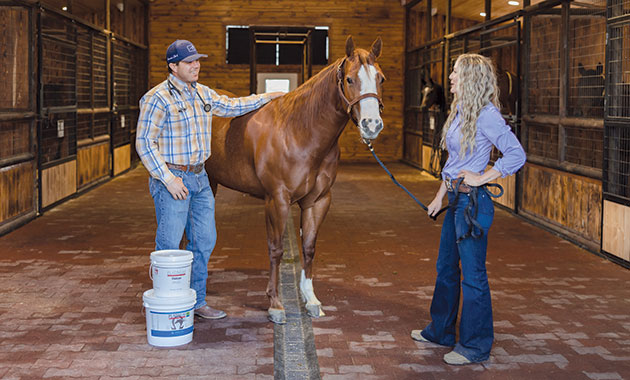
Nutrition is one of the most important aspects of horse care. A balanced diet not only ensures that horses maintain their energy levels and physical health, but it also contributes to their appearance, performance, and longevity.
For centuries, horses have served humans in sport, agriculture, and transportation. Today they remain essential partners in equestrian disciplines such as polo, horse racing, and showjumping. Whether a horse is competing at a high level or simply enjoying life in a pasture, proper feeding practices are essential for maintaining optimal health.
Horse owners and equestrian professionals understand that nutrition directly influences performance, muscle development, coat condition, and overall well-being.
The Natural Diet of Horses
Horses are herbivores with digestive systems designed to process fibrous plant material. In the wild, horses spend much of their time grazing on grasses and other vegetation throughout the day.
This natural grazing behavior allows their digestive system to function properly. Horses have relatively small stomachs compared to their body size, which means they digest food most effectively when eating small amounts frequently.
For domesticated horses, high-quality forage such as grass or hay should form the foundation of their diet. Forage provides the fiber necessary for healthy digestion and supports the complex microbial ecosystem within the horse’s gut.
Providing consistent access to good-quality forage helps maintain digestive health and prevents common problems such as colic or ulcers.
The Role of Hay and Pasture
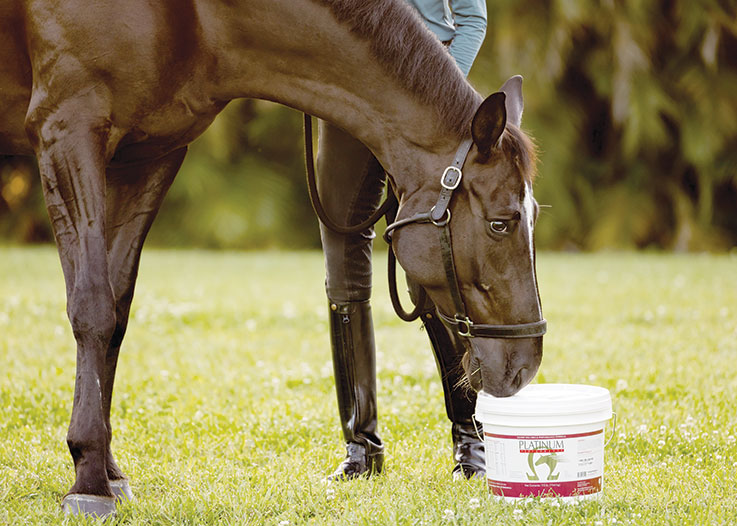
Hay is one of the most common components of equine diets, especially for horses that do not have constant access to pasture. High-quality hay provides essential nutrients while also satisfying the horse’s natural desire to chew and graze.
Different types of hay offer varying nutritional values. Some of the most commonly used hay varieties include:
• Timothy hay, known for balanced fiber and protein levels
• Alfalfa hay, which provides higher protein and energy
• Orchard grass hay, often favored for its palatability
Pasture grazing remains the most natural feeding method for horses. Fresh grass contains vitamins, minerals, and moisture that contribute to overall health.
However, pasture quality can vary depending on climate, soil conditions, and seasonal growth. Responsible horse owners monitor pasture conditions carefully to ensure horses receive adequate nutrition.
Concentrates and Supplemental Feed
While forage forms the base of the horse’s diet, many horses—particularly those involved in athletic disciplines—require additional nutrients to support their energy demands.
Concentrated feeds such as grains and specially formulated pellets provide extra calories, proteins, and essential vitamins.
Common feed components include:
• Oats
• Barley
• Corn
• Commercial equine feed blends
These feeds are designed to support muscle development, stamina, and recovery.
However, concentrates should always be fed carefully and in appropriate quantities. Overfeeding grains can lead to digestive disturbances and metabolic issues.
Essential Nutrients for Horses
A balanced equine diet includes several key nutrients that support health and performance.
Protein
Protein is essential for muscle development and tissue repair. Growing horses, pregnant mares, and performance horses typically require higher levels of protein in their diets.
Vitamins and Minerals
Vitamins and minerals play vital roles in immune function, bone development, and metabolic processes. Calcium, phosphorus, magnesium, and selenium are particularly important for maintaining strong bones and muscles.
Fat
Healthy fats provide a concentrated source of energy for horses performing demanding physical work. Fat supplements such as vegetable oils are often included in equine diets to enhance energy intake.
Fiber
Fiber is critical for maintaining digestive health. The horse’s large intestine contains microorganisms that break down fiber and convert it into usable energy.
For this reason, forage remains the cornerstone of every healthy equine diet.
Hydration and Water Intake
Water is perhaps the most essential nutrient in a horse’s diet. Horses require access to clean, fresh water at all times.
A horse can drink anywhere from 20 to 40 liters of water per day depending on weather conditions, activity levels, and diet.
Adequate hydration supports digestion, regulates body temperature, and maintains circulation. Dehydration can quickly lead to serious health issues, making water management an essential part of equine care.
Feeding Schedules and Best Practices
Consistent feeding routines are important for maintaining digestive stability.
Most horses benefit from multiple small meals throughout the day rather than a single large feeding. This approach more closely resembles natural grazing patterns.
Horse owners should also introduce dietary changes gradually. Sudden shifts in feed types or quantities can disrupt digestion and cause health problems.
Equine nutritionists often recommend monitoring body condition regularly to ensure horses maintain a healthy weight.
Nutrition for Performance Horses
Horses involved in competitive disciplines require carefully balanced diets tailored to their specific workloads.
Racehorses, polo ponies, and showjumping horses all have unique nutritional requirements.
Performance horses often require higher energy intake to support intense physical activity. At the same time, their diets must remain balanced to prevent digestive stress.
Professional trainers frequently work with equine nutrition specialists to develop feeding programs that maximize performance while maintaining health.
The Link Between Nutrition and Beauty
A horse’s appearance often reflects its nutritional health. Horses receiving balanced diets typically display shiny coats, strong hooves, and well-developed muscles.
Nutrients such as omega fatty acids and biotin are particularly beneficial for coat shine and hoof strength.
When combined with proper grooming and exercise, good nutrition enhances the natural elegance that makes horses so admired.
A Commitment to Responsible Care
Feeding horses properly is both a science and an art. Each horse has unique dietary needs depending on age, breed, activity level, and health status.
Responsible horse owners continuously evaluate feeding practices and adjust diets as necessary.
By providing balanced nutrition, adequate hydration, and consistent care, equestrians ensure that horses remain healthy, strong, and capable of performing at their best.
In the world of equestrian sport, nutrition is not simply about feeding—it is about supporting the health and beauty of one of humanity’s most extraordinary animal partners.
