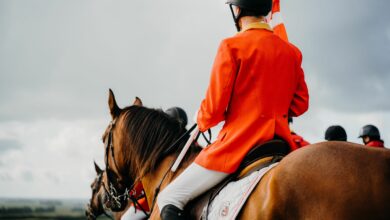
Equestrian Excellence: The Timeless Appeal of the Equestrian Lifestyle
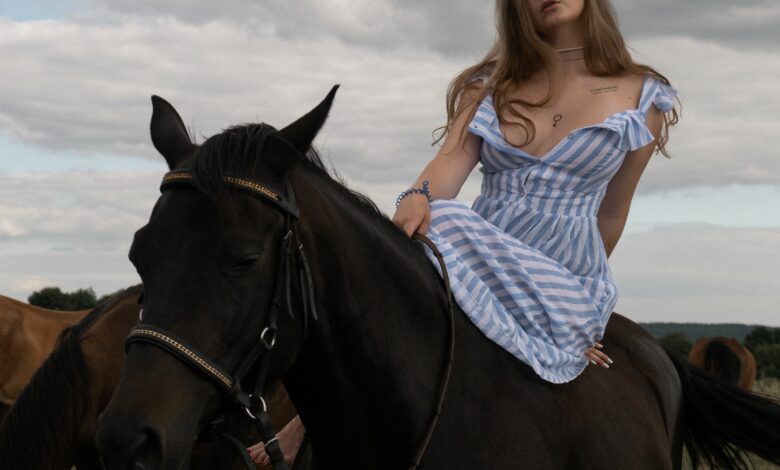
The equestrian world is a unique blend of sport, tradition, discipline, and passion. For centuries, horses have played an essential role in human history, serving as trusted companions, athletes, and symbols of prestige. Today, equestrianism continues to thrive around the world, attracting riders of all ages who are drawn to the remarkable partnership between horse and rider.
Unlike many other sports, equestrian disciplines require two athletes working together as one. Success depends not only on the rider’s skill but also on the horse’s training, temperament, and physical condition. This special relationship creates a bond built on trust, communication, and mutual respect, making equestrian sport one of the most rewarding pursuits.
Show jumping remains one of the most popular equestrian disciplines globally. Riders guide their horses through a course of carefully designed obstacles, requiring precision, speed, and flawless teamwork. Every jump reflects months, and often years, of dedicated training. The sport continues to capture audiences with its combination of athleticism and elegance.
Dressage, often referred to as the art of horse training, showcases the highest level of harmony between horse and rider. Through a series of controlled movements, horses demonstrate balance, flexibility, and responsiveness. The discipline highlights the beauty of equestrian sport, where subtle communication creates performances that appear effortless.
Endurance riding offers a different challenge, testing the stamina and fitness of both horse and rider over long distances. Particularly popular in the Middle East, endurance events celebrate the horse’s natural athletic ability while emphasizing proper conditioning and welfare. The region has become a global leader in the sport, attracting elite competitors from around the world.
Polo is another discipline deeply connected to equestrian heritage. Known as the sport of kings, polo combines speed, strategy, and horsemanship. Players rely on highly trained horses capable of quick turns, acceleration, and exceptional agility. The sport remains closely associated with luxury, tradition, and international competition.
Beyond competition, the equestrian lifestyle offers significant personal benefits. Riding develops balance, confidence, patience, and focus. Working with horses teaches responsibility and emotional awareness, as riders learn to understand the behavior and needs of these highly sensitive animals. Many equestrians describe time spent with horses as both physically rewarding and mentally therapeutic.
Horse welfare has become an increasingly important focus within the equestrian community. Modern riders recognize that proper nutrition, veterinary care, training methods, and stable management are essential for ensuring horses remain healthy and happy. Responsible horsemanship places the horse’s well-being at the center of every activity, whether at home or in competition.
The Middle East continues to play a prominent role in the global equestrian landscape. Countries across the region host prestigious show jumping competitions, endurance races, polo tournaments, and horse racing events. Equestrian culture remains deeply rooted in the heritage of the Arab horse, a breed admired worldwide for its beauty, endurance, intelligence, and spirit.
As equestrian sport evolves, it continues to attract a new generation of riders inspired by tradition and innovation alike. While technology and training methods have advanced, the essence of equestrianism remains unchanged—a partnership between horse and rider built on trust, dedication, and shared achievement.
Whether competing at the highest international level or enjoying a peaceful ride through the countryside, equestrians around the world share a common passion for horses. It is a lifestyle that celebrates excellence, respect, and the extraordinary connection between humans and these magnificent animals.