How Horses Build Confidence in Young Riders
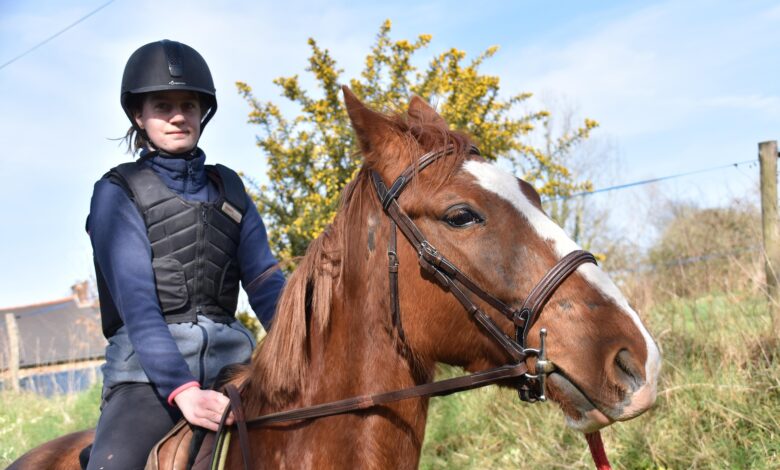
Horse riding is often seen as a sport that develops balance, strength, and technical skill, but its greatest impact can be found beyond the arena. Around the world, horses are helping children and teenagers build confidence, resilience, and responsibility through meaningful partnerships that extend far beyond competition. Whether a young rider dreams of competing at the highest level or simply enjoys weekend lessons, the lessons learned in the saddle can last a lifetime.
Confidence begins with trust. Horses are highly sensitive animals that respond to a rider’s emotions, body language, and communication. Young riders quickly discover that remaining calm, focused, and patient helps create a positive connection with their horse. As they learn to communicate effectively, they gain confidence in their own abilities and decision-making.
Learning to ride also teaches responsibility from the very beginning. Before climbing into the saddle, riders groom their horses, clean hooves, check equipment, and ensure their horse is comfortable and healthy. These daily routines encourage discipline and show children that caring for another living being requires commitment and consistency.
Every riding lesson presents new challenges. A rider may learn a new jumping course, improve dressage movements, or simply work on better balance at the trot or canter. Progress rarely happens overnight, and young equestrians soon understand that success comes through patience and practice. Each small achievement builds self-belief and motivates them to tackle even greater challenges.
One of the most valuable lessons horses teach is how to overcome setbacks. Every rider experiences moments when things do not go according to plan. Missing a jump, losing balance, or struggling with a new technique can feel disappointing, but these experiences teach resilience. Instead of giving up, riders learn to analyse mistakes, seek guidance from instructors, and return stronger with renewed determination.
Horse riding also improves communication skills. Riders must give clear, consistent signals while remaining attentive to their horse’s responses. This two-way partnership develops observation, empathy, and emotional awareness. Many parents notice that children become more patient, focused, and confident not only in the stable but also at school and in everyday life.
The equestrian community further supports personal growth. Riding schools and equestrian clubs encourage teamwork, sportsmanship, and respect for fellow riders. Young equestrians celebrate each other’s successes, learn from experienced mentors, and develop friendships based on shared passion and mutual support.
Competitions can also strengthen confidence when approached positively. While winning ribbons is exciting, participation teaches valuable lessons about preparation, perseverance, and handling pressure. Riders discover that improvement matters more than perfection and that every competition provides an opportunity to learn.
In today’s fast-paced digital world, time spent with horses offers a welcome escape from screens and constant distractions. Working outdoors, connecting with nature, and building a genuine relationship with an animal helps reduce stress while improving mental well-being. Many young riders describe the stable as a place where they feel calm, focused, and happy.
As children grow alongside their horses, they develop qualities that benefit every aspect of life—confidence, responsibility, patience, empathy, and resilience. These are skills that cannot always be taught in a classroom but are naturally developed through the unique bond between horse and rider.
For many families, horse riding becomes much more than a sport. It becomes a journey of personal growth, where every lesson in the saddle helps shape a more confident, compassionate, and capable young person.