In the world of equine care, dental health is often overlooked—yet it plays a critical role in a horse’s overall well-being, performance, and longevity. A horse’s teeth are not just tools for chewing; they are essential for digestion, comfort, and even behavior. Understanding how equine teeth function, and how to care for them, is fundamental for every horse owner, rider, and enthusiast.
🦷 The Unique Structure of Horse Teeth
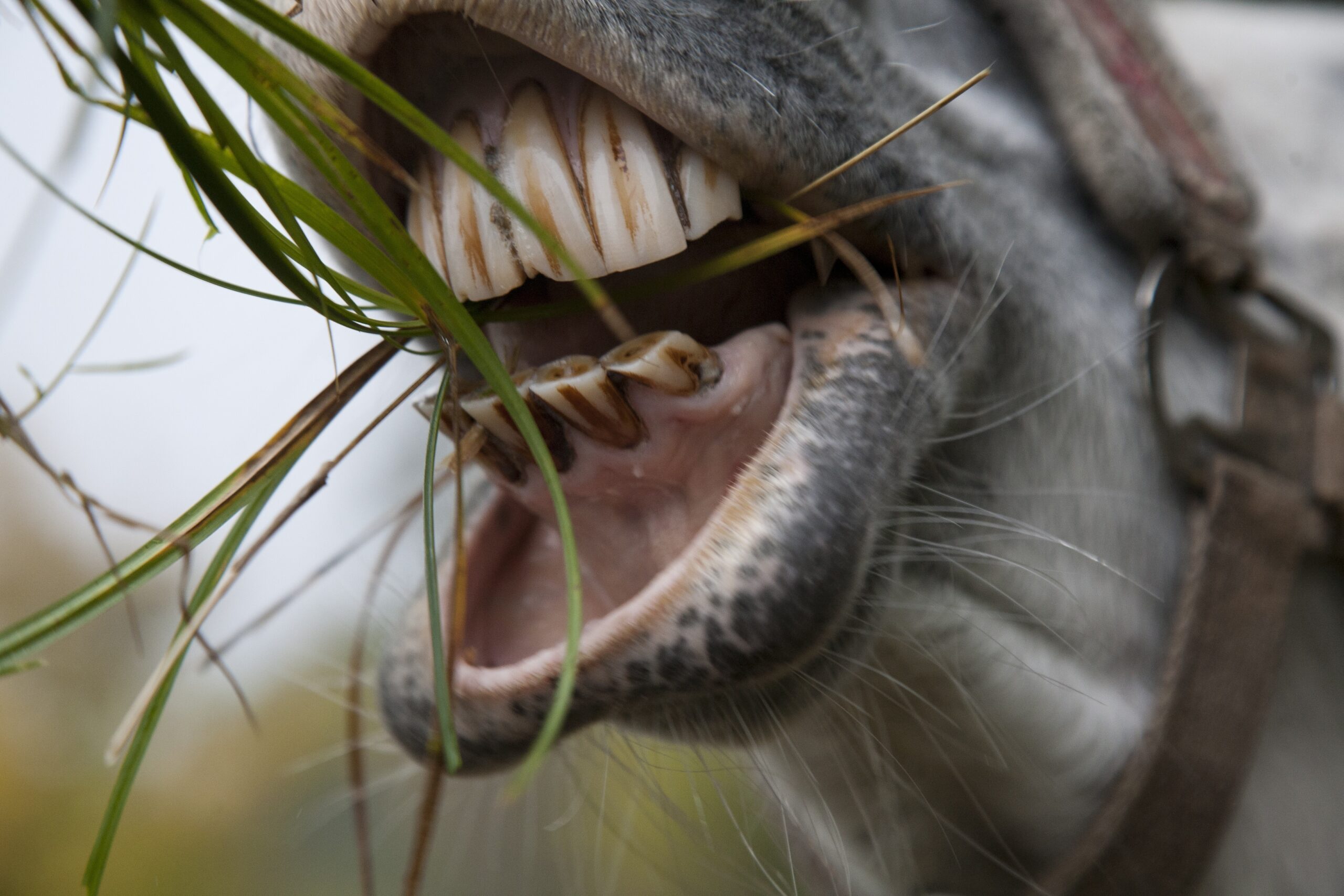
Horses have a highly specialized dental system designed for continuous grazing. Unlike humans, their teeth grow continuously throughout most of their lives. This is because horses naturally spend many hours chewing fibrous materials like grass and hay, which gradually wear down the teeth.
A mature horse typically has between 36 to 44 teeth, including incisors at the front for cutting grass and molars at the back for grinding food. There are also canine teeth, more common in males, and sometimes wolf teeth—small vestigial teeth that can interfere with the bit.
The constant eruption of teeth means they require regular wear. However, modern feeding practices, which often include softer feeds and less grazing time, can lead to uneven wear patterns.
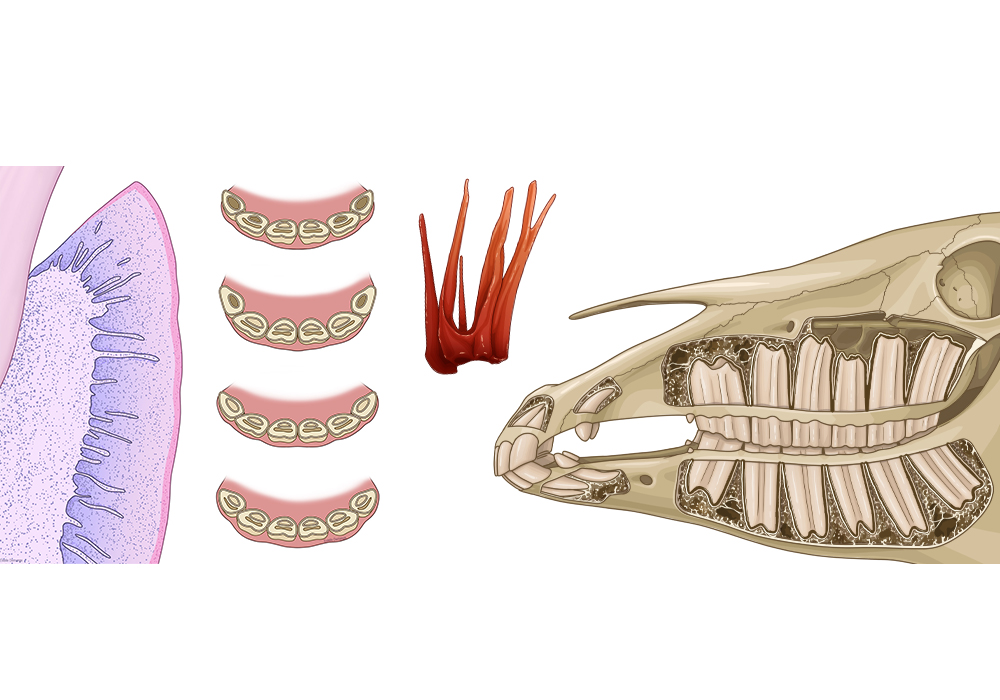
⚠️ Common Dental Problems in Horses
One of the most frequent issues in horses is the development of sharp enamel points. These form when the teeth do not wear evenly, causing discomfort and even pain. Horses with dental problems may show subtle signs such as:
- Difficulty chewing or dropping food
- Weight loss despite normal feeding
- Head tilting while eating
- Resistance to the bit or unusual behavior under saddle
More serious conditions include hooks, waves, and step mouth formations, all of which can affect the horse’s ability to chew properly. If left untreated, these issues can lead to digestive problems and poor nutrient absorption.
🛠️ The Importance of Dental Care
Routine dental care is essential to prevent and manage these problems. A process known as “floating” is commonly used to file down sharp edges and correct imbalances. This should be performed by a qualified equine dentist or veterinarian, typically once or twice a year depending on the horse’s age and condition.
Young horses may require more frequent checks as their teeth are still developing, while older horses may experience tooth loss or decay, requiring specialized attention.
Regular dental exams not only improve comfort but also enhance performance. A horse free from dental pain is more responsive, relaxed, and capable of performing at its best.
🧠 The Link Between Teeth and Performance
Dental health directly affects how a horse responds to the rider. Discomfort in the mouth can lead to resistance, head tossing, and difficulty accepting the bit. In disciplines such as polo, racing, or show jumping, even minor discomfort can impact results.
For working horses and athletes, maintaining proper dental balance ensures efficient chewing, better digestion, and optimal energy levels.
🌿 Natural vs Modern Feeding Impact
In the wild, horses graze for up to 16 hours a day, which naturally wears down their teeth evenly. In contrast, domesticated horses often consume processed feeds and spend less time grazing. This difference contributes significantly to dental issues seen today.
Providing access to forage, such as hay or pasture, helps mimic natural conditions and supports healthier tooth wear.
🔍 Final Thoughts
Equine dental care is not a luxury—it is a necessity. By understanding the structure and function of horse teeth, owners can take proactive steps to ensure their horses remain healthy, comfortable, and high-performing.
A simple routine check can prevent major issues down the line, making dental care one of the most valuable investments in your horse’s long-term well-being.