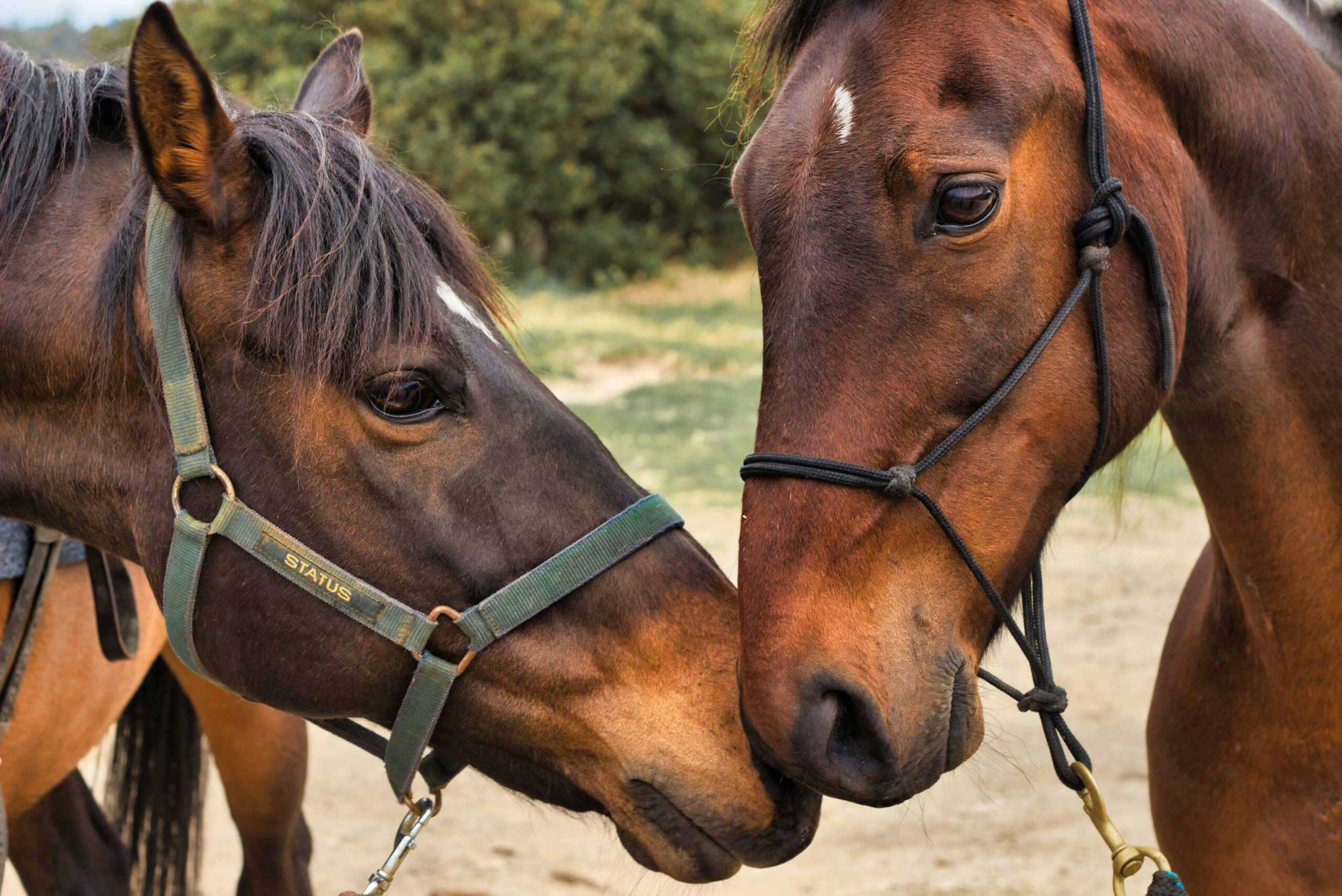
A horse will tell you everything — long before it refuses to move.
The problem isn’t the horse. It’s what most riders fail to notice.
Stand beside a horse long enough, and you begin to notice something unusual.
There’s a constant conversation happening — but no words are spoken.
A shift in weight.
A flick of the ear.
A slight tension through the neck.
To an untrained eye, these are small, almost invisible details. To an experienced rider, they are signals — precise, immediate, and meaningful.
Horses don’t rely on language the way humans do. Their world is built on instinct, sensitivity, and response. Every action is connected to how they feel in that exact moment.
This is where most misunderstandings begin.
When a horse hesitates, resists, or reacts unpredictably, it’s often labeled as stubborn or difficult. In reality, it is communicating.
The question is whether the rider is listening.
The Instinct That Shapes Everything
Horses are prey animals. This single fact defines their psychology more than anything else.
In the wild, survival depends on awareness. Every sound, movement, or change in the environment could signal danger. This heightened sensitivity does not disappear in domesticated horses.
It remains — always active.
This is why a horse may react suddenly to something a rider barely notices. A shadow. A distant noise. A subtle change in body pressure.
What seems like an overreaction is, in fact, a deeply rooted instinct.
Understanding this is the first step toward building a better connection.
Reading the Signals
Communication begins with observation.
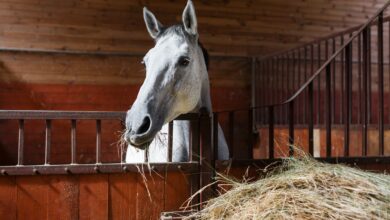
A horse’s ears are one of the clearest indicators of its attention. Forward ears suggest focus. Constant movement may indicate uncertainty. Pinned ears often signal discomfort or irritation.
The eyes reveal even more.
A soft, relaxed eye reflects calmness. A wide, alert eye may indicate tension or fear. These changes can happen in seconds, often before any visible movement occurs.
Then there is the body itself.
A horse that is relaxed moves differently. Its stride is smoother, its breathing steady. When tension builds, movement becomes rigid. The back tightens. The head position changes.
These are not random behaviors. They are messages.
👉 Explore more equestrian insights here:
The Role of the Rider
Many riders focus on control — guiding the horse, directing movement, achieving precision.
But control without understanding creates conflict.
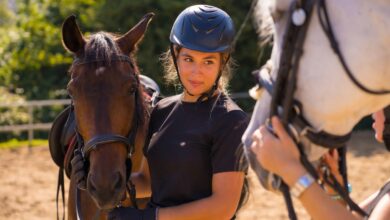
A horse responds not just to physical cues, but to the rider’s state of mind. Tension in the rider often transfers directly to the horse. Uncertainty creates hesitation. Confidence creates clarity.
This is why two riders can have completely different experiences with the same horse.
One struggles.
The other flows effortlessly.
The difference is not strength or technique alone. It is awareness.
Building Trust, Not Resistance
Trust is not given automatically. It is built over time, through consistency.
A horse learns to trust when it feels safe. When cues are clear. When responses are predictable.
Force may produce short-term results, but it rarely builds long-term reliability.
In contrast, patience creates stability.
Training methods around the world have begun to reflect this understanding. There is a growing emphasis on connection rather than dominance.
In the UAE, this shift is visible in many modern equestrian facilities. Training programs now include not just riding sessions, but groundwork — exercises that focus on communication before movement.
These methods prioritize the horse’s mental state as much as its physical performance.
When Communication Breaks Down
Every rider eventually faces a moment where things don’t go as planned.
The horse refuses a jump.
It becomes restless during a routine.
It reacts unexpectedly in a familiar environment.
The instinctive response is often frustration.
But frustration rarely solves the problem.
Instead, it amplifies it.
Moments like these are not failures. They are indicators.
They reveal where communication has broken down.
Was the cue unclear?
Was the horse distracted or uncomfortable?
Was the rider tense?
Answering these questions requires honesty — and patience.
The Invisible Connection
At its best, horse riding feels almost effortless.
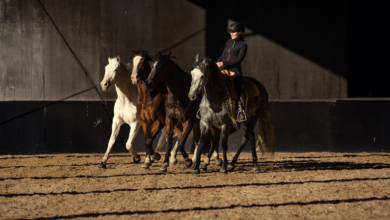
The horse moves as if it understands without being told. The rider adjusts without thinking. There is rhythm, balance, and flow.
This is not coincidence.
It is the result of consistent, attentive interaction over time.
A relationship where both horse and rider learn from each other.
This level of connection cannot be forced. It develops gradually, through small, repeated moments of understanding.
👉 Read more on rider in Horse Racing Section:
The Mental Side of Riding
Physical skill is only one part of equestrian performance.
Mental discipline plays an equally important role.
Riders must remain focused, calm, and adaptable. They must be able to adjust instantly, responding to the horse rather than reacting impulsively.
This mental balance is what allows communication to remain clear.
When the rider is present, the horse responds.
When the rider is distracted, the horse becomes uncertain.
Beyond Technique
Many people learn how to ride.
Fewer learn how to understand.
Technique can be taught in structured lessons. Balance, posture, and movement can be practiced and improved.
But awareness is different.
It requires attention to detail. A willingness to observe. The ability to remain patient even when progress feels slow.
This is what separates a capable rider from an exceptional one.
The Future of Equestrian Training
As equestrian culture continues to grow in the UAE, the focus is gradually shifting.
There is increasing recognition that performance is not just about results, but about process.
Horse welfare, mental health, and ethical training practices are becoming central to modern programs.
This evolution reflects a deeper understanding of what horses need — and how riders can meet those needs.
Final Thought
A horse does not need words to communicate.
It speaks constantly — through movement, behavior, and response.
The real question is whether the rider is paying attention.
Because once you learn to listen, everything changes.