Equestrian: Young Riders Are Shaping the Future of Show Jumping
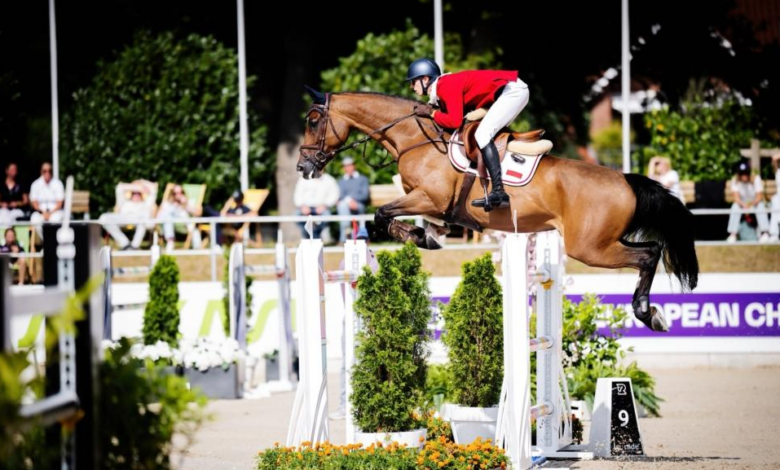
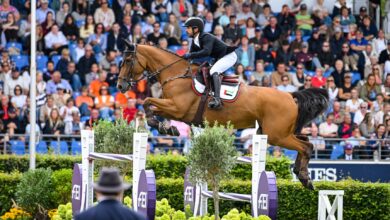
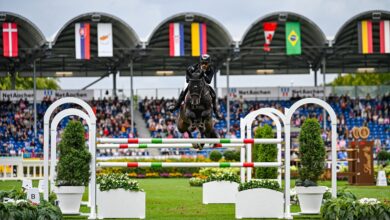
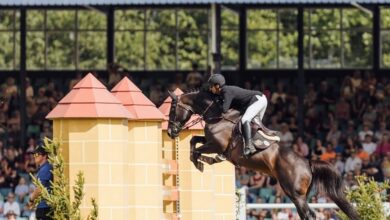
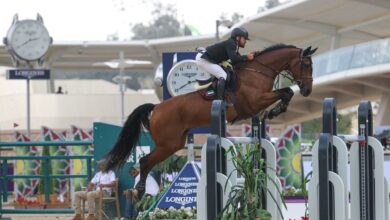
The future of equestrian sport has never looked brighter as a new generation of talented riders continues to make its mark on the international show jumping circuit. Across Europe, the Middle East, and North America, young athletes are proving that age is no barrier to competing against experienced professionals, bringing fresh energy, confidence, and ambition to one of the world’s most prestigious equestrian disciplines.
In recent years, youth development programmes have become a major priority for national federations and private equestrian academies. From an early age, riders are introduced to structured training that focuses not only on technical skills but also on horse welfare, sportsmanship, and long-term athletic development. This balanced approach is producing riders who are both highly competitive and deeply respectful of their equine partners.
Modern coaching methods have evolved considerably. Instead of concentrating solely on jumping higher fences, trainers now emphasise communication, rhythm, balance, and consistency. Young riders learn that success comes from building trust with their horses rather than relying purely on speed or strength. The partnership between horse and rider remains the foundation of every successful performance.
Technology has also transformed training environments. High-definition video analysis, wearable fitness devices, and motion tracking systems allow coaches to study every stride and jumping technique in remarkable detail. Riders can review their rounds, identify small improvements, and continuously refine their performance both in training and competition.
Physical fitness has become another important part of rider development. Many young equestrians now follow dedicated fitness programmes that improve flexibility, balance, core strength, and cardiovascular endurance. Pilates, cycling, swimming, and functional strength training have become valuable additions to traditional riding schedules, helping athletes maintain better posture and control in the saddle.
Mental preparation is equally essential. International competitions place enormous pressure on young athletes, making sports psychology an increasingly valuable part of elite equestrian programmes. Visualisation techniques, breathing exercises, and confidence-building strategies help riders remain calm and focused, particularly during championship events where every second counts.
The Middle East continues to play an increasingly significant role in developing young equestrian talent. Countries such as the UAE, Saudi Arabia, and Qatar have invested heavily in world-class training facilities, international competitions, and youth academies. These investments are creating new opportunities for aspiring riders to gain experience against some of the best competitors in the world while promoting the region’s long-standing equestrian heritage.
Horse welfare remains central to every successful programme. Young riders are encouraged to understand stable management, nutrition, grooming, veterinary care, and recovery routines alongside competitive training. Learning to care for the horse away from the competition arena helps strengthen the partnership that ultimately leads to better performances.
International competitions for juniors and young riders continue to grow in popularity, providing valuable stepping stones toward senior championships. These events allow emerging athletes to gain experience, build confidence, and compete on world-class courses before progressing to the highest levels of international show jumping.
As the sport continues to evolve, one thing remains unchanged: the bond between horse and rider. While technology, coaching methods, and competition standards continue to advance, success still depends on mutual trust, patience, and dedication.
With exceptional talent emerging across the globe, the next generation of riders is already redefining the future of show jumping. Their commitment, professionalism, and passion for the sport ensure that equestrian competition will continue to inspire audiences while preserving the timeless partnership between horse and rider for generations to come.