Building Global Polo Destinations
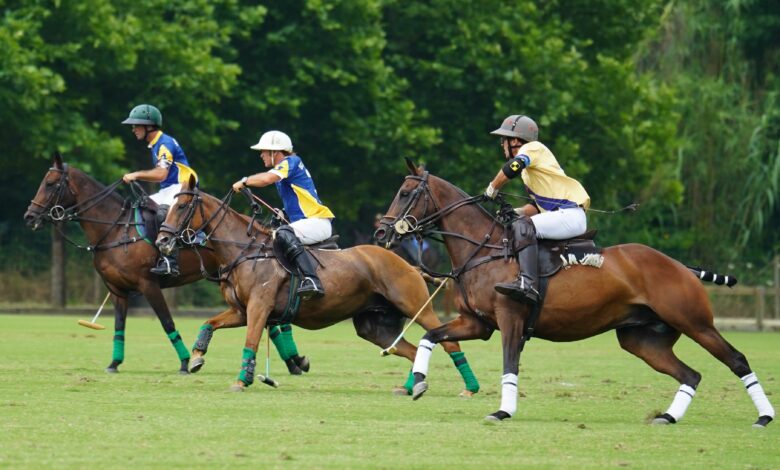
The vision that creates a legacy
Global polo destinations are not built by organizing a successful tournament or hosting a major sporting event, but rather by a long-term strategic vision that places sport at the heart of an integrated economic, tourism, and cultural system. International experience has shown that tournaments are a starting point, while sustainable investment creates the true legacy that lasts for decades.
Today, the competition between countries is no longer about hosting a single tournament, but rather about building a system capable of attracting players, investors, sponsors, and visitors year-round, transforming polo into an engine for economic development and sports tourism.
A Vision Spanning Decades
The success of any polo destination begins with a clear vision that extends beyond a single season. Investments in infrastructure, training personnel, developing clubs, and attracting international tournaments are all elements that must be part of a multi-year plan, not just preparations for a temporary event.
Experience has shown that destinations with a long-term vision are best positioned to establish themselves on the global polo map because they build an integrated system that doesn’t rely on a single tournament, but on the continuity of activity and the quality of the experience.
The System is More Important Than the Tournament
A distinguished stadium or a world championship is not enough to guarantee success. A comprehensive system is required, encompassing sports facilities, modern stables, advanced veterinary services, hotels and resorts, restaurants, transportation services, and professional management capable of organizing events according to the highest international standards.
When these elements are integrated, the tournament transforms into an economic and tourism platform that creates jobs, attracts investments, and enhances the destination’s global standing.
Lessons from Global Experiences
England offers a well-established model through the Guards Polo Club and the Cartier Queen’s Cup and British Open Gold Cup tournaments, which have become among the world’s most prestigious polo tournaments thanks to their long history of organization and continuity.
Argentina, a global benchmark in polo, has built its reputation by investing in horse breeding, player development, and hosting the Argentine Open Championship in Palermo, considered the highest level of competition in the sport.
In the United States, the US Open Polo Championship has established itself as one of the most important international tournaments, supported by a robust infrastructure and ongoing investment.
The Gulf Consolidates its Global Presence
In recent years, the Gulf region has become a major player in the world of polo, benefiting from its investments in equestrian sports and sports tourism.
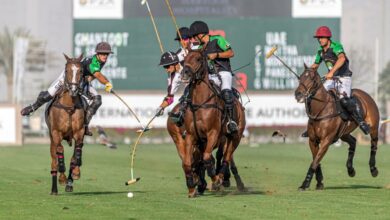
The UAE leads the way in this field with world-class facilities such as the Dubai Polo & Equestrian Club and Al Habtoor Polo Resort & Club, which annually host a series of prestigious international tournaments, including the Dubai Polo Gold Cup Series, Gold Cup, Silver Cup, Dubai Challenge Cup, IFZA Gold Cup, and Richard Mille Al Habtoor Polo Cup, all of which have become key events on the global polo calendar.
Abu Dhabi continues to support equestrian sports as part of a vision to enhance the UAE’s position as a global sports destination that integrates sports, tourism, and investment.
In Saudi Arabia, polo is experiencing rapid growth in line with the goals of Vision 2030, with the organization of international tournaments and the development of new facilities that strengthen the Kingdom’s presence on the world stage.
Qatar continues to support polo by hosting international tournaments and developing modern infrastructure that attracts elite players and teams from around the world.
A Continuous Calendar Creates Value
True value isn’t achieved through a single tournament, but rather through an annual calendar that includes professional, amateur, youth, and women’s tournaments, along with training programs and community events.
Continuity means sustained economic activity, increased visitor numbers, enhanced sponsorship, and a year-on-year increase in the destination’s investment value.
Investing in People Before Facilities
While stadiums and facilities are important, human capital remains the foundation of success. Investing in players, coaches, referees, veterinarians, volunteers, and all those working in the sector ensures the sport’s sustainability and growth.
Discovering young talent and developing polo training programs are long-term investments that guarantee the sport’s continuity for future generations.
How is Success Measured?
Success is no longer measured solely by attendance figures or the number of tournaments, but by more comprehensive indicators such as visitor return, sponsor retention, player base growth, increased investment, local economic impact, international media presence, and digital engagement.
These indicators reflect the project’s quality and its ability to achieve sustainable value that transcends the boundaries of sporting competition.
The True Legacy
A legacy isn’t built in a single season; it’s shaped over years of work, investment, and a clear vision. Destinations that leave a lasting impact are those that successfully integrate polo into their economic, cultural, and tourism identity.
With the ongoing investments in equestrian sports and infrastructure witnessed in the Gulf region, particularly in the UAE, the opportunity is greater than ever to build a global model that combines sports, investment, and tourism, establishing a legacy that will last for decades.
True success doesn’t begin with organizing a tournament, but with building a system capable of producing champions, attracting investments, achieving sustainability, and leaving a sporting and economic legacy for future generations.
Author
Rabie Benaddada, Researcher in Sports Science and Visiting Professor at the Higher Institute of Commerce and Business Administration