Do you know Healthy Horses Start with Good Preparation
Autumn Horse Care: 8 Essential Steps to Prepare Your Horse for the Changing Season
As seasons change, horse owners have an important opportunity to review everything from hydration and forage to hoof care, parasite control and stable management.
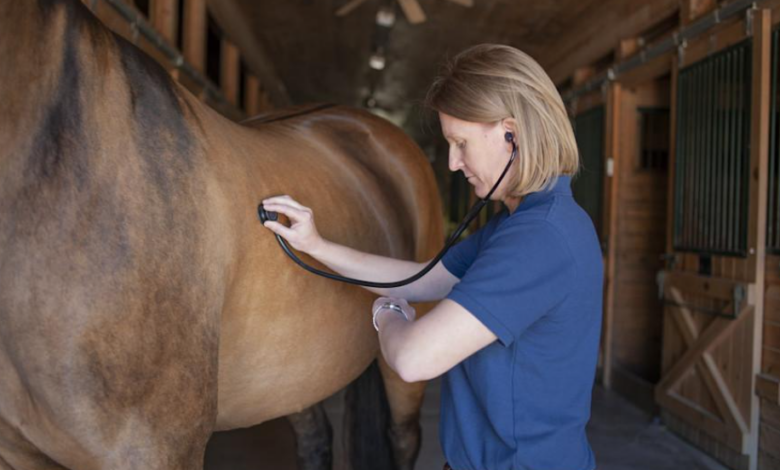
A new seasonal-care guide published on September 21 by equine veterinarian Nancy S. Loving highlights autumn as an important period for preventive horse healthcare and preparing equine facilities for winter.
For readers of Al Badia’s horse care and equestrian coverage, the central message is simple: good winter horse management starts before colder weather arrives.
1. Keep Water Available
Hydration remains essential even when temperatures fall.
Adequate water supports normal digestive and bodily functions and can help reduce the risk of impaction colic. The Horse notes that an average horse in a cold climate can require approximately 5–10 gallons of water each day.
Water systems should therefore be checked before colder conditions make maintenance more difficult.
2. Review Forage
As pasture quality changes, owners should assess whether their horses are receiving sufficient good-quality forage.
Any major dietary transition should be made gradually rather than suddenly changing a horse’s feeding programme.
3. Check Body Condition
Autumn is also a useful time to assess a horse’s body condition.
Horses entering colder weather in poor condition may require nutritional adjustments, while overfeeding simply because winter is approaching is equally inappropriate.
4. Discuss Vaccination with Your Veterinarian
Vaccination programmes should reflect the horse’s location and individual exposure to disease.
Rather than assuming every horse requires exactly the same programme, owners should discuss individual risk with their veterinarian.
5. Review Parasite Control
Modern parasite management is increasingly targeted rather than automatic.
Faecal egg counts can help veterinarians determine a horse’s parasite burden and establish an appropriate deworming strategy. This can also help address the important issue of resistance to deworming medications.
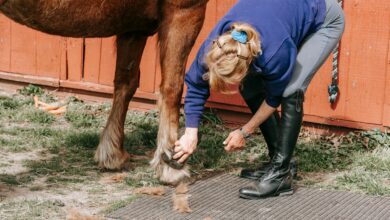
6. Don’t Neglect Hoof Care
Your farrier remains an essential part of seasonal preparation.
A horse’s workload, climate, ground conditions and whether it is shod or barefoot all influence the most appropriate hoof-management plan. The veterinarian and farrier should work with the owner to make decisions appropriate to the individual horse.
7. Prepare the Stable
Check fencing, shelters, feed storage and water systems before difficult weather arrives.
Small repairs are considerably easier to address before they become urgent problems.
8. Manage Pasture and Manure
Autumn can also provide an opportunity to rest or reseed pasture where conditions permit and to review manure-management practices.
The key lesson for horse owners following Al Badia is prevention. Every horse has different requirements according to age, health, workload and climate, so individual veterinary and farrier advice remains important.
Follow Al Badia for more horse care, equine health and stable-management features.