The Horse Who Danced Through Fire
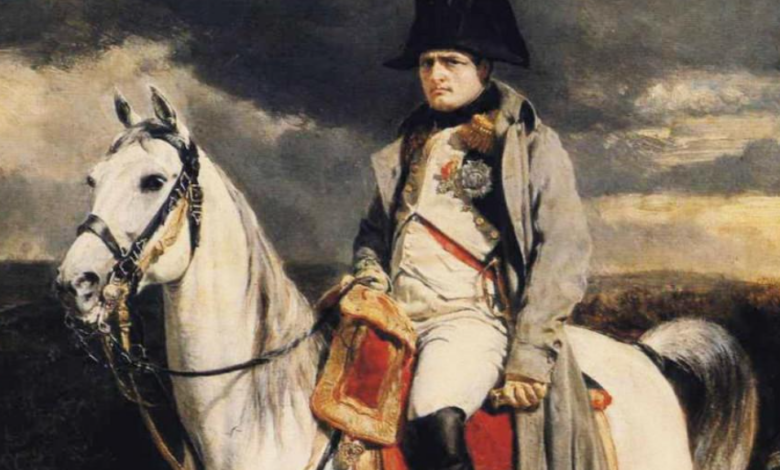
The Horse Who Danced Through Fire: The Extraordinary True Story of Marengo, Napoleon’s Arabian Horse
Some horses become champions. Others become legends. But very few find themselves at the centre of history, carrying one of the world’s most famous military leaders through the chaos of battle.
Marengo, the celebrated grey horse associated with Napoleon Bonaparte, was one of them.
Small, resilient and remembered for his remarkable endurance, Marengo became a symbol of the extraordinary relationship between a horse and his rider. His story stretches from the battlefields of Europe to a museum in London, where his preserved skeleton remains a reminder of an unforgettable equine life.
A Small Horse with an Extraordinary Destiny
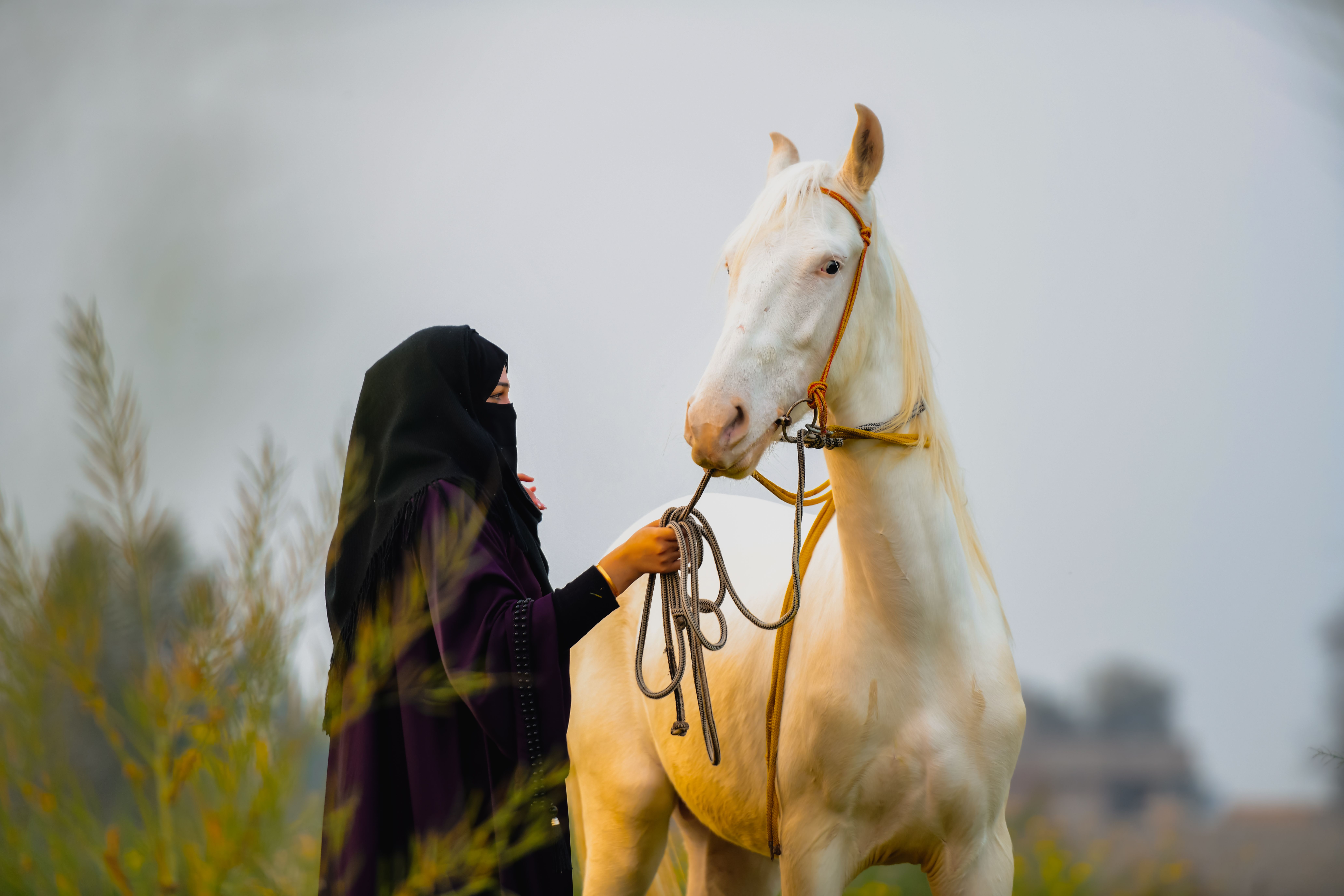
Marengo is traditionally described as a grey Arabian horse, standing approximately 14.1 hands high. Despite his relatively modest size, he became associated with Napoleon’s military campaigns.
Historical accounts suggest he was named after the Battle of Marengo in 1800, one of Napoleon’s most important victories.
In an era when horses were essential to military leadership, reliable mounts were invaluable. They needed stamina, courage and the ability to remain responsive amid unfamiliar sounds, crowds and confusion.
Marengo’s reputation reflected qualities long admired in Arabian horses: agility, endurance and intelligence.
Through the Noise of Battle
According to accounts surrounding Marengo’s life, he accompanied Napoleon during several major campaigns, including those associated with Austerlitz, Jena and Waterloo.
His story is often told as one of remarkable survival.
Yet battlefield legends must be treated carefully. The full details of Marengo’s military service are difficult to establish independently, and some popular claims about his endurance and injuries may have been embellished over time.
What makes the story compelling is not simply the number of battles attributed to him, but the importance of horses in an age before modern transportation.
While commanders became famous, the animals carrying them rarely received the same recognition.
Marengo was an exception.
The Battle That Changed Everything
The Battle of Waterloo in June 1815 brought Napoleon’s final defeat.
Marengo was reportedly captured after the battle and subsequently brought to Britain, where he lived for many more years.
His later life was far removed from the battlefield. Rather than carrying a commander through military campaigns, he became a living curiosity connected to one of Europe’s most consequential historical figures.
He is generally believed to have died in 1831, at approximately 38 years of age, although details of his early life remain uncertain.
A Legacy Preserved in London
Marengo’s skeleton is held by the National Army Museum in London, an unusual distinction for a horse whose fame was closely connected to a human historical figure.
His remains provide a tangible connection to the era of cavalry, military campaigns and the vital role horses played in shaping events.
For readers interested in the enduring influence of Arabian bloodlines, Al Badia’s feature on the making of the Egyptian Arabian horse explores another chapter in the breed’s history.
Marengo’s story also offers a broader reminder that equestrian heritage is about more than competition. The traditions celebrated through Al Badia Magazine reflect centuries of relationships between horses and people.
More Than a Famous Rider’s Horse
Napoleon’s name dominates history books, but Marengo represents the animals whose contributions are so often overlooked.
His story has survived for more than two centuries because it combines courage, endurance and the mystery of a horse whose life became inseparable from world history.
Long after the battles ended, the little grey horse continued to be remembered.
Not merely as Napoleon’s mount, but as Marengo.
Historical note: This feature is based on Marengo’s traditional biography. His identification with Napoleon and the details of his battlefield service contain historical uncertainties.
The National Army Museum confirms Marengo’s preserved skeleton and notes that many popular battlefield stories about him are disputed.
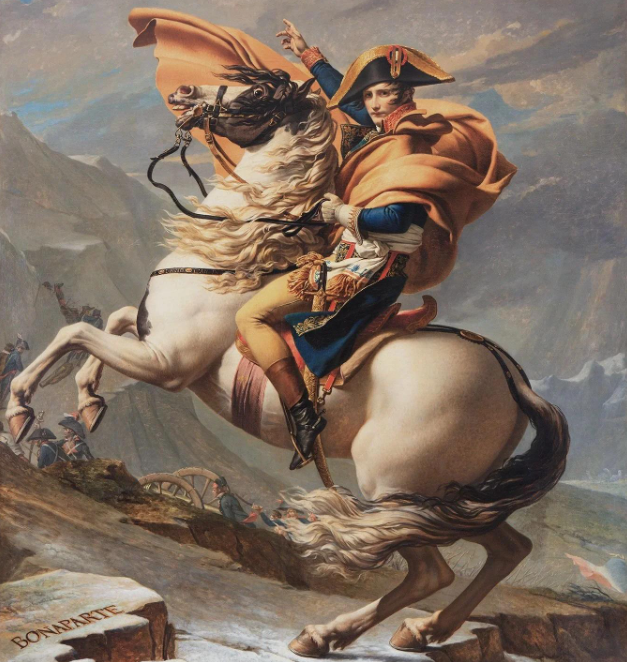
National Army Museum, London
+1 Museum photographs and reproductions may require licensing.
For a third verified internal link, the article can also naturally reference Where Did the Arabian Horse Originate?, which explains the breed’s journey from the Arabian Peninsula into international history.