Horse Colic: The Warning Signs Every Horse Owner Should Know
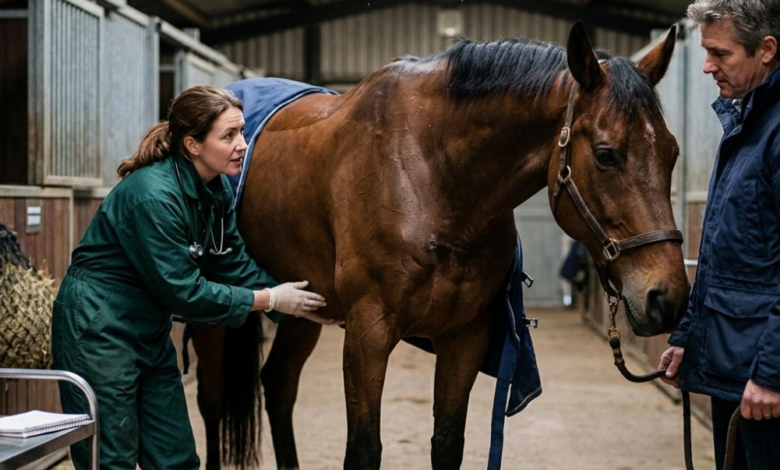
Colic is one of the most common and potentially dangerous emergencies affecting horses. What begins as mild discomfort can sometimes develop into a life-threatening condition within hours.
For horse owners, riders and stable managers, recognising the early warning signs can make a critical difference. Understanding digestive health is an essential part of responsible horse ownership and the wider world of horse care at Al Badia Magazine.
What Is Colic in Horses?
Colic is a general term describing abdominal pain in horses rather than a single disease.
It can result from gas accumulation, intestinal blockage, inflammation or, in severe cases, twisting of the intestines.
According to the American College of Veterinary Surgeons, some forms of colic respond to medical treatment, while more serious conditions may require emergency surgery.
Because horses have complex digestive systems, changes in feeding, hydration and intestinal movement can contribute to digestive problems.
Five Warning Signs You Should Never Ignore
A horse experiencing colic may display several noticeable changes in behaviour.
- Pawing at the ground: Repeatedly scraping the ground with a front hoof may indicate discomfort.
- Looking at the abdomen: Some horses repeatedly turn their heads toward their flanks.
- Rolling or attempting to lie down: Frequent lying down, getting up or rolling can indicate abdominal pain.
- Loss of appetite: A horse may refuse food or show less interest in eating.
- Reduced manure production: Passing fewer droppings than usual can suggest a digestive problem.
Other warning signs include sweating, restlessness, stretching and an unusually elevated heart rate.
Not every horse displays the same symptoms. Some remain unusually quiet despite experiencing serious pain.
Why Colic Happens
Several factors can increase the risk of digestive disturbances.
Sudden changes in diet, inadequate water intake, poor-quality forage and irregular feeding schedules may contribute to certain forms of colic.
Limited movement and dental problems can also affect digestive health.
Sand ingestion is another concern, particularly for horses kept in sandy environments.
In regions such as the UAE, careful management of drinking water, feeding areas and stable conditions is especially important.
However, colic can occur even in horses receiving excellent care.
What to Do When You Suspect Colic
If a horse shows signs of colic, contact a veterinarian immediately.
Remove access to feed while awaiting veterinary instructions, but do not automatically withhold water unless advised.
Keep the horse in a safe environment and monitor its behaviour.
Gentle walking may be appropriate if the horse is comfortable and it is safe for the handler. However, exhausted or severely painful horses should not be forced to walk.
Never administer painkillers, mineral oil or other treatments without veterinary guidance.
Veterinary assessment is essential because some intestinal conditions can deteriorate rapidly.
Can Horse Colic Be Prevented?
Not every episode of colic is preventable, but consistent management can reduce certain risks.
Provide clean drinking water, offer adequate forage and introduce dietary changes gradually.
Maintain a regular feeding routine and ensure horses receive suitable daily exercise or turnout.
The American Association of Equine Practitioners recommends practical preventive measures, including consistent feeding practices and careful monitoring of changes in a horse’s routine.
Routine dental examinations and veterinarian-guided parasite control also support digestive health.
For horses living in sandy areas, feeding hay from clean surfaces rather than directly from the ground may help reduce sand ingestion.
Readers interested in maintaining healthy horses can explore additional equestrian care and management features at Al Badia Magazine.
Why Early Action Matters
The greatest danger of colic is assuming that a horse will recover without professional assessment.
Some mild cases resolve with appropriate treatment, but more serious intestinal conditions can deteriorate rapidly.
Early veterinary attention improves the opportunity to identify the cause and provide effective care.
A horse cannot explain where it hurts. Its behaviour is often the first warning that something is wrong.