The Art of Horse Grooming
Essential Horse Grooming Tips to Keep Your Horse Healthy Throughout the Year
Proper grooming is one of the most important aspects of horse care. Beyond maintaining a beautiful appearance, regular grooming helps improve circulation, supports healthy skin, strengthens the bond between horse and handler, and allows owners to identify minor health issues before they become serious. Whether caring for a competition horse, a leisure companion, or a young foal, a consistent grooming routine contributes significantly to the animal’s overall well-being.
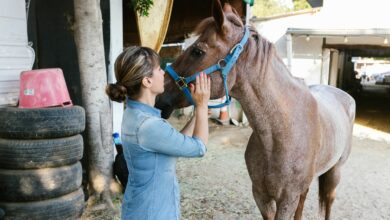
Every grooming session should begin with a visual inspection. Before picking up a brush, take a few moments to observe your horse’s body, legs, and behavior. Look for cuts, swelling, insect bites, heat in the limbs, or any signs of discomfort. Detecting small problems early can prevent more complicated health issues and reduce recovery time.
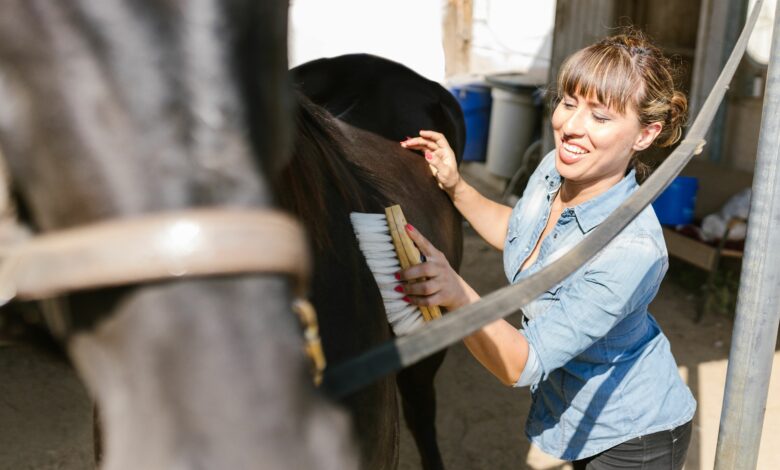
Using the correct grooming tools is equally important. A rubber curry comb helps loosen dirt, dried sweat, and loose hair while gently stimulating blood circulation. Follow this with a stiff body brush to remove dirt from the coat before finishing with a soft brush that smooths the hair and enhances the horse’s natural shine. Grooming should always follow the direction of the hair to avoid unnecessary irritation.
The mane and tail deserve special attention. Rather than pulling through knots aggressively, use your fingers to separate tangles before applying a detangling spray and a wide-toothed comb. This approach minimizes hair breakage while keeping the mane and tail healthy, full, and manageable. Regular care also reduces the chance of debris becoming trapped, especially during outdoor activities.
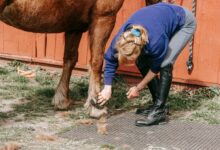
Hoof care remains one of the most critical parts of daily grooming. Cleaning each hoof removes stones, mud, and debris that can lead to bruising or infection. While inspecting the hoof, check for unpleasant odors, cracks, or signs of thrush. Maintaining healthy hooves supports proper movement and helps prevent lameness, making routine hoof cleaning an essential habit for every horse owner.
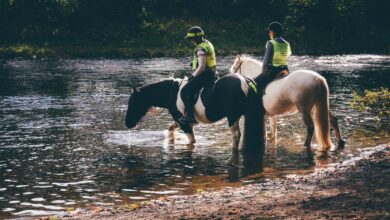
Seasonal changes require adjustments to grooming routines. During warmer months, horses sweat more frequently and attract flies and other insects. Bathing with a mild equine shampoo after heavy exercise helps remove sweat and dirt while preventing skin irritation. Fly sprays, lightweight fly sheets, and clean stable conditions can also reduce insect-related discomfort during the summer.
In colder weather, many horses develop thicker coats for insulation. Although frequent bathing may not be practical, regular brushing remains essential to remove mud, dead hair, and dust while keeping the skin healthy. After exercise, horses should be cooled down properly before returning to the stable to avoid trapping moisture beneath the winter coat.
Nutrition also influences coat condition. A balanced diet containing quality forage, appropriate protein levels, vitamins, minerals, and omega fatty acids contributes to healthy skin and a naturally glossy coat. Fresh, clean water should always be available, as proper hydration plays an important role in maintaining skin elasticity and overall health.
Clean grooming equipment is often overlooked but equally important. Brushes, combs, hoof picks, and towels should be cleaned regularly to prevent the spread of bacteria, fungi, and skin infections between horses. If multiple horses share equipment, proper sanitation becomes even more essential.
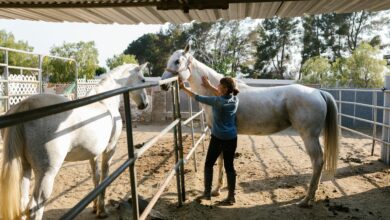
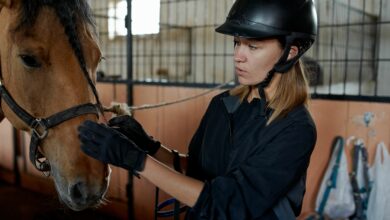
Grooming also provides valuable opportunities to strengthen trust. Horses respond positively to calm, patient handling, and regular grooming sessions help build confidence while reducing stress. This stronger relationship often translates into better behavior during training, veterinary examinations, and transportation.
Good horse care is built on consistency rather than complexity. Spending just a few minutes each day inspecting, brushing, and caring for your horse can make a remarkable difference in its health, comfort, and performance. A well-groomed horse is not only more attractive but also healthier, happier, and better prepared to perform at its best, whether in competition, leisure riding, or everyday stable life.