How to Keep Horses Healthy and Hydrated During the Summer
Protecting Your Horse from Summer Heat
Summer can be one of the most challenging seasons for horses, particularly in regions where temperatures regularly exceed 35°C. High heat, strong sunlight, and humidity place extra stress on a horse’s body, making proper care essential. Whether you own a performance horse, a pleasure horse, or a breeding mare, following a consistent summer management routine helps maintain health, performance, and overall wellbeing.
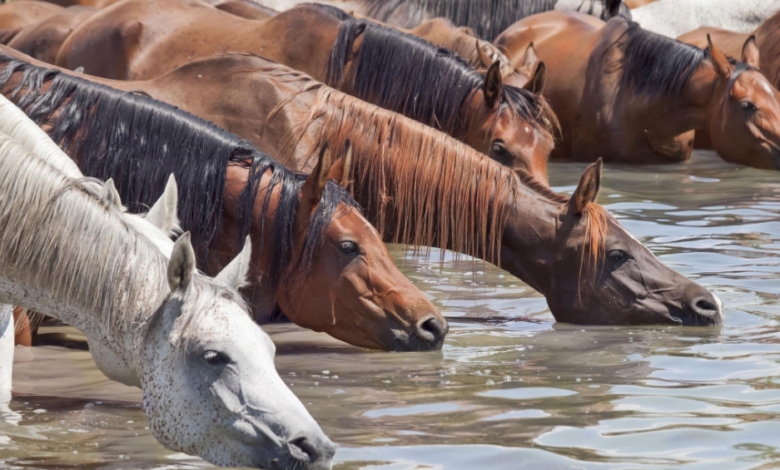
Hydration should always be the first priority. A healthy horse can drink between 25 and 55 litres of water daily, and significantly more after exercise or during extreme heat. Fresh, clean water should be available at all times. Water troughs and buckets should be cleaned regularly to encourage drinking and prevent algae buildup. Many owners also add electrolytes to replace minerals lost through sweating, particularly after training sessions or competitions.
Nutrition also plays an important role in helping horses cope with high temperatures. Good-quality forage should remain the foundation of every diet, while concentrates can be adjusted according to workload. Feeding during the cooler hours of the morning or evening helps reduce heat stress during digestion. Fresh fruits such as apples and watermelon, offered in moderation, can provide additional hydration while serving as healthy treats.
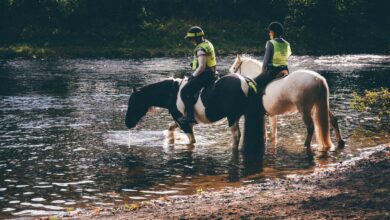
Exercise schedules should be carefully planned. Riding or training during the hottest part of the day can quickly lead to overheating and dehydration. Early mornings and late evenings provide safer conditions for both horse and rider. During exercise, frequent breaks should be allowed, and horses should always have access to water before and after work. Contrary to old myths, allowing a hot horse to drink moderate amounts of water is generally beneficial.
Cooling the horse after exercise is equally important. Cold water can be applied over the neck, shoulders, chest, and hindquarters before being scraped away and repeated until the horse’s temperature returns to normal. Standing fans and well-ventilated stables can further improve cooling while reducing the risk of heat-related illnesses.
Providing adequate shade is another key aspect of summer management. Horses turned out during the day should always have access to natural trees or purpose-built shelters. If turnout areas offer little protection from the sun, many owners choose to keep horses indoors during peak afternoon temperatures and allow turnout during cooler evening hours.
Summer also brings an increase in insects such as flies and mosquitoes. These pests cause irritation, reduce grazing time, and may spread disease. Fly masks, lightweight fly sheets, repellents, and proper manure management all help minimise insect populations around the stable.
Owners should also learn to recognise the early warning signs of heat stress. Excessive sweating, rapid breathing, elevated heart rate, weakness, reluctance to move, or lack of sweating despite high temperatures all require immediate attention. Moving the horse into shade, cooling it with water, and contacting a veterinarian when symptoms persist can prevent more serious complications.
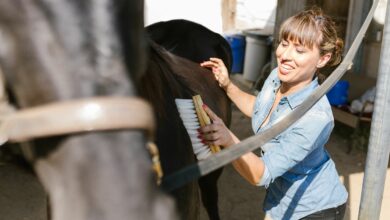
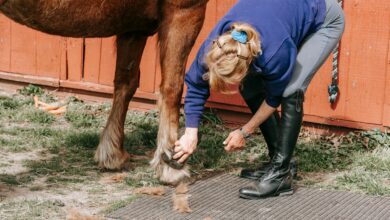
Regular grooming remains important throughout the warmer months. Removing sweat, dirt, and loose hair allows the skin to breathe while helping owners identify cuts, insect bites, or signs of irritation before they become more serious.
With thoughtful management, horses can remain comfortable, healthy, and active throughout the summer season. Providing constant access to clean water, sensible nutrition, appropriate exercise timing, effective cooling, and protection from the sun ensures horses continue to perform at their best even during the hottest months of the year.