The Importance of Hoof Care
Why Healthy Hooves Are the Foundation of Every Horse
The saying “No hoof, no horse” has been repeated by horsemen for generations, and for good reason. A horse’s hooves are the foundation of its entire body, supporting hundreds of kilograms of weight while absorbing the impact of every stride. Whether a horse is used for racing, show jumping, endurance riding, dressage, polo, or leisurely trail rides, healthy hooves are essential for comfort, performance, and long-term soundness. Proper hoof care is not simply a routine task—it is one of the most important responsibilities of every horse owner.
A healthy hoof is made primarily of keratin, the same protein found in human fingernails. However, unlike human nails, horse hooves constantly endure significant pressure and wear. As the hoof grows continuously, it requires regular trimming to maintain proper balance and alignment. Without routine care, overgrown hooves can place excessive strain on joints, tendons, and ligaments, increasing the risk of lameness and long-term musculoskeletal problems.
Most horses require professional trimming every six to eight weeks, although this varies depending on age, workload, environment, and the rate of hoof growth. A qualified farrier carefully shapes each hoof to ensure even weight distribution and proper movement. Horses involved in demanding disciplines may also require specialised shoeing to provide additional protection, improve traction, or support specific hoof conditions.
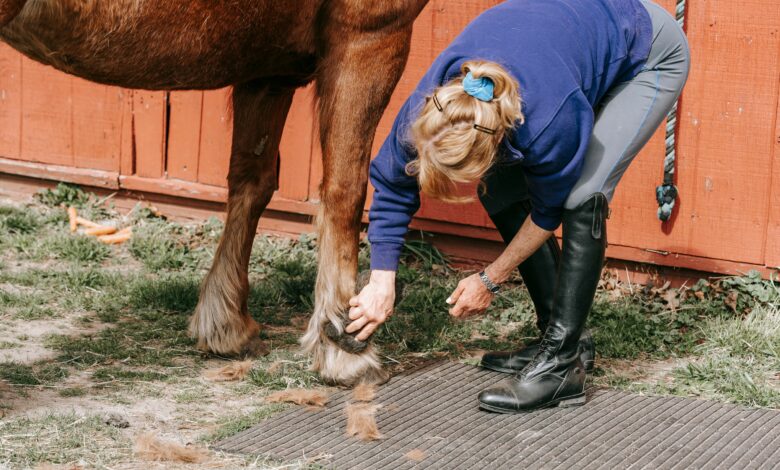
Daily hoof maintenance is equally important. Before and after every ride, owners should pick out each hoof to remove stones, mud, manure, and other debris that may become trapped around the frog. This simple routine not only keeps the hoof clean but also provides an opportunity to inspect for cracks, puncture wounds, bruising, loose shoes, or signs of infection before they develop into more serious problems.
One of the most common hoof conditions is thrush, a bacterial infection that affects the frog. Thrush thrives in damp, dirty environments and produces a distinctive unpleasant odour along with black discharge. Fortunately, regular cleaning, dry bedding, and prompt treatment usually resolve the condition before permanent damage occurs.
Nutrition also plays a major role in hoof quality. Strong hooves begin from the inside, requiring a balanced diet rich in quality protein, vitamins, minerals, and essential trace elements such as biotin, zinc, and copper. Horses receiving proper nutrition generally develop stronger hoof walls that are less likely to crack or chip. Adequate hydration is equally important, particularly during the hot summer months, when dry conditions can cause hooves to become brittle.
Exercise is another essential component of hoof health. Regular movement improves blood circulation within the hoof capsule, supporting healthy growth while strengthening surrounding structures. Horses confined to stalls for extended periods often benefit from controlled turnout and regular exercise to maintain overall hoof function.
Owners should also learn to recognise early warning signs of hoof problems. A horse that becomes reluctant to walk, frequently shifts its weight, points one foot forward while standing, or shows increased digital pulse may be experiencing hoof pain. Early intervention by a veterinarian or farrier often prevents minor issues from becoming major soundness concerns.
Hoof health and behaviour are closely connected. Horses experiencing foot pain may pin their ears, resist being saddled, refuse jumps, or appear unwilling during training sessions. Behavioural changes should never be dismissed as stubbornness without first ruling out physical discomfort. If you would like to better understand how horses communicate discomfort and emotions, be sure to read our feature, “Understanding Equine Body Language: What Your Horse Is Trying to Tell You.”
Environmental management is equally important. Standing for long periods in wet paddocks can soften the hoof, while extremely dry conditions may lead to cracking. Providing clean, well-drained turnout areas and maintaining hygienic stables help create the ideal conditions for healthy hoof growth throughout the year.
Preventive care always costs less than treating serious hoof diseases. Establishing a consistent schedule with a trusted farrier, providing balanced nutrition, encouraging regular exercise, and performing daily hoof inspections will significantly reduce the risk of injury while improving your horse’s comfort and performance.
Healthy hooves truly are the foundation of every horse. No matter the discipline or level of competition, strong, well-maintained feet allow horses to move freely, perform confidently, and enjoy long, active lives. By making hoof care a daily priority rather than an occasional task, owners invest directly in their horse’s health, happiness, and future success.
Explore More
Discover more expert horse care, equestrian lifestyle, and breeding insights only on Al Badia Magazine.