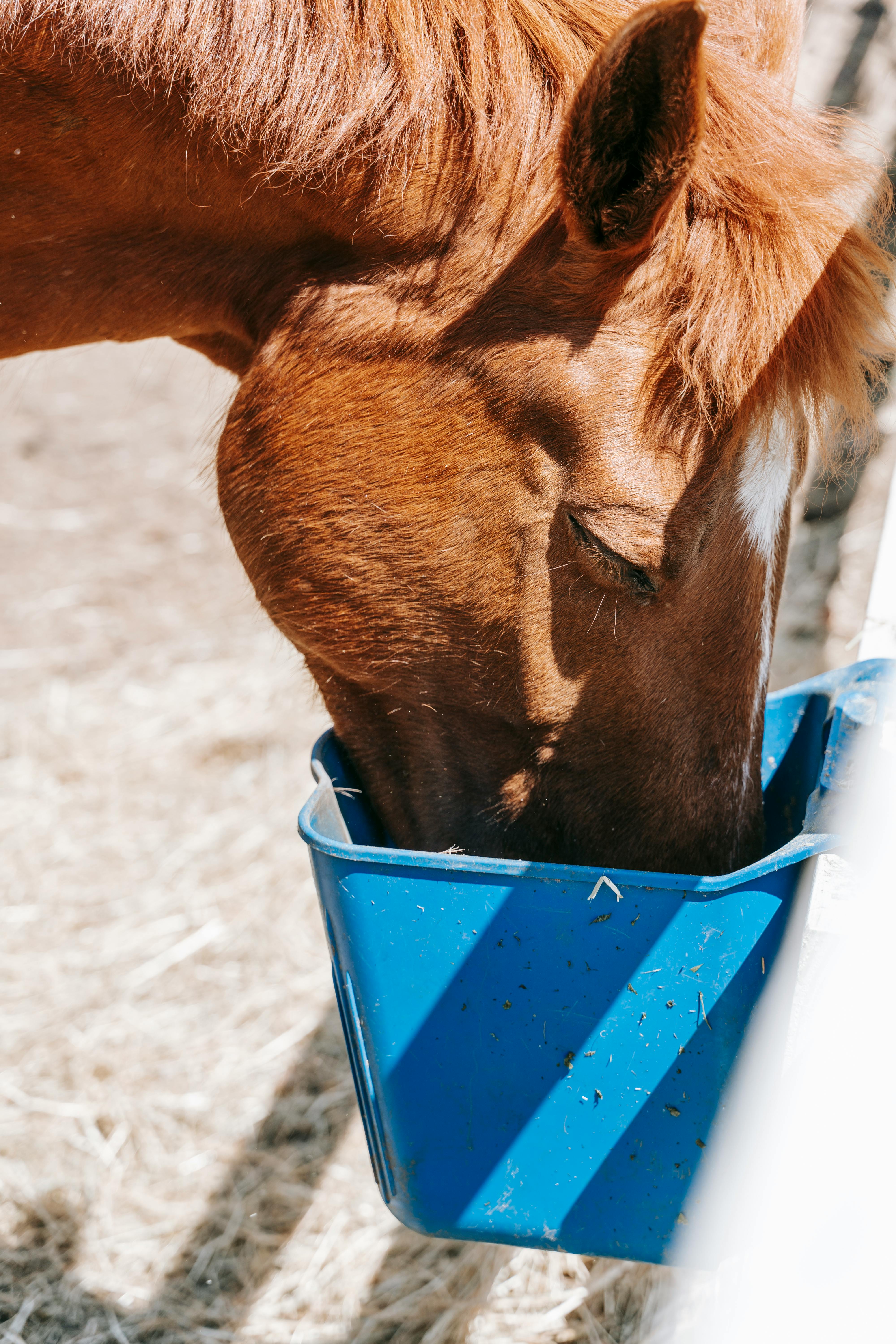
Horse Nutrition Guide UAE | Best Feeding Practices for Performance Horses
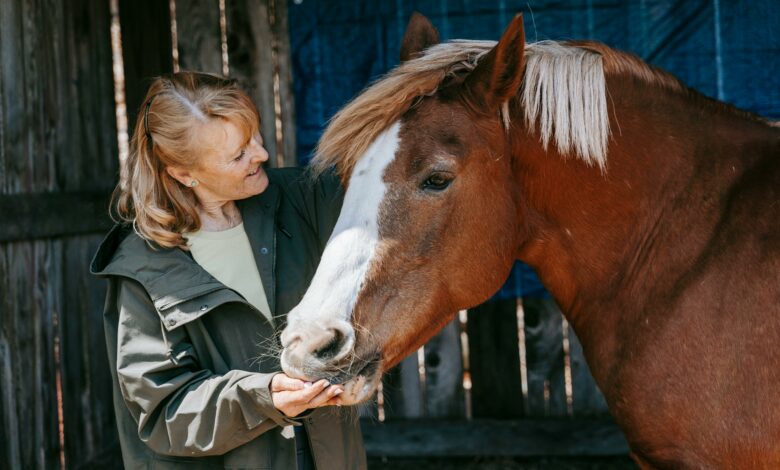
Feeding Excellence: The Science, Art, and Culture Behind Horse Nutrition in the Modern Equestrian World
In the world of equestrian excellence, success is often measured in seconds, precision, and performance. Yet behind every powerful stride, every graceful turn, and every winning moment lies something far more fundamental—nutrition.
Feeding a horse is not simply a routine. It is a discipline that blends science, instinct, and tradition. It is an art form shaped by centuries of knowledge and refined by modern research. In today’s equestrian landscape, particularly in regions like the UAE where performance standards are exceptionally high, horse nutrition has evolved into one of the most critical aspects of care.
Because a horse’s strength does not begin in the arena—it begins in the feed room.
Understanding the Foundation: Horses as Natural Grazers
To truly understand horse nutrition, one must first understand the nature of the horse itself.
Horses are herbivores designed to graze continuously. In the wild, they spend up to 16 hours a day feeding on grasses, moving slowly across open landscapes. Their digestive system is built for this pattern—small, frequent intake rather than large, infrequent meals.
Modern equestrian practices, however, often require structured feeding schedules. Performance horses, especially those involved in polo, endurance, or show jumping, cannot rely solely on pasture grazing. Their energy demands are far greater.
This is where the balance becomes essential—replicating natural feeding behavior while meeting elevated nutritional needs.
The Core Components of a Horse’s Diet
A well-balanced equine diet is built on several key elements:
1. Forage: The Foundation of Every Diet
Forage—primarily hay and grass—is the cornerstone of horse nutrition. It provides fiber, supports digestion, and maintains gut health.
High-quality forage:
- Keeps the digestive system functioning smoothly
- Reduces the risk of colic
- Provides a steady source of energy
In the UAE, where natural grazing is limited due to climate conditions, imported hay varieties such as timothy, alfalfa, and Rhodes grass are commonly used.
The quality of forage directly impacts the horse’s overall health. Dusty or low-quality hay can lead to respiratory issues and poor performance.
2. Concentrates: Fuel for Performance
While forage provides the base, concentrates supply the additional energy required for high-performance horses.
These include:
- Grains (oats, barley, corn)
- Commercial feed blends
- Specialized performance pellets
Concentrates are carefully measured to avoid overfeeding, which can lead to metabolic issues.
For polo horses, which require bursts of speed and agility, energy-dense feeds are often incorporated. However, balance is key—too much energy can result in excitability, while too little can reduce performance.
3. Protein: Building Strength and Recovery
Protein plays a crucial role in muscle development and recovery.
Young horses, as well as those in intensive training, require higher protein intake. Sources include:
- Alfalfa hay
- Soybean meal
- Specialized feed supplements
The goal is not excess, but adequacy—ensuring muscles repair efficiently without placing unnecessary strain on the system.
4. Vitamins and Minerals: The Invisible Essentials
Often overlooked, vitamins and minerals are vital for:
- Bone strength
- Immune function
- Overall vitality
Calcium, phosphorus, magnesium, and electrolytes must be carefully balanced, particularly in hot climates like the UAE, where horses lose minerals through sweat.
5. Water: The Most Critical Nutrient
No element of horse nutrition is more important than water.
A horse can survive weeks without food—but only days without water.
Hydration affects:
- Digestion
- Temperature regulation
- Performance
Clean, fresh water must always be available, especially in high-temperature environments.
Feeding for Performance: The Athlete’s Diet
Performance horses are, in every sense, athletes. Their nutritional needs reflect this.
In polo, for example, horses must combine speed, endurance, and agility. Their diet is tailored to support:
- Rapid energy release
- Sustained stamina
- Efficient recovery
Feeding schedules are often aligned with training routines. Meals are timed to ensure optimal energy levels without causing discomfort during activity.
Pre-competition feeding is particularly strategic. Horses are given easily digestible feeds that provide energy without heaviness.
Post-performance, the focus shifts to recovery—rehydration, electrolyte balance, and muscle repair.
The Role of Supplements in Modern Nutrition
As equestrian science advances, supplements have become an integral part of feeding programs.
Common supplements include:
- Joint support formulas
- Digestive aids
- Electrolyte replacements
- Omega fatty acids for coat health
While supplements can enhance performance and well-being, they must be used carefully. Over-supplementation can disrupt balance rather than improve it.
Professional guidance—from veterinarians and nutritionists—is essential.
Feeding in the UAE: Challenges and Adaptations
The UAE presents unique challenges for horse nutrition.
Climate Impact
High temperatures increase water requirements and electrolyte loss. Horses must be monitored closely to prevent dehydration.
Limited Natural Grazing
Unlike cooler regions, natural pasture is scarce. This makes forage sourcing critical.
Stable-Based Living
Many horses are kept in controlled environments, requiring structured feeding routines rather than free grazing.
Despite these challenges, the UAE has developed some of the most advanced equestrian facilities in the world, ensuring horses receive optimal care.
The Emotional Side of Feeding
Beyond science and structure lies something more personal.
Feeding time is often a moment of connection. Horses recognize routines, respond to familiar handlers, and associate feeding with comfort and security.
This emotional aspect should not be underestimated. A calm, well-fed horse is not only healthier but also more responsive and balanced.
Common Feeding Mistakes to Avoid
Even experienced handlers can make errors. Some of the most common include:
- Overfeeding concentrates
- Inconsistent feeding schedules
- Poor-quality forage
- Lack of hydration
- Ignoring individual needs
Every horse is different. What works for one may not work for another.
Observation, adjustment, and consistency are key.
The Future of Horse Nutrition
As technology continues to evolve, horse nutrition is becoming more precise.
Innovations include:
- Data-driven feeding programs
- Customized diets based on performance metrics
- Advanced feed formulations
The goal is simple: optimize health, enhance performance, and extend longevity.
A Tradition That Continues to Evolve
Horse feeding has come a long way from simple grazing and basic grains. Today, it is a sophisticated discipline that combines tradition with science.
Yet, at its core, the principle remains unchanged—care.
Feeding a horse is an act of responsibility. It is a commitment to the animal’s well-being, performance, and quality of life.
Final Thoughts: Nutrition as the Foundation of Excellence
In equestrian sports, attention often focuses on training, equipment, and competition. But none of these elements can succeed without proper nutrition.
It is the silent foundation upon which everything else is built.
A well-fed horse is not just stronger—it is more focused, more balanced, and more capable of reaching its full potential.
And in the world of Al Badia, where excellence is a standard, nutrition is not an option.
It is a necessity.