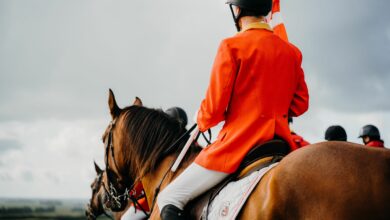
Why the Strongest Horses Are Not Always the Fastest
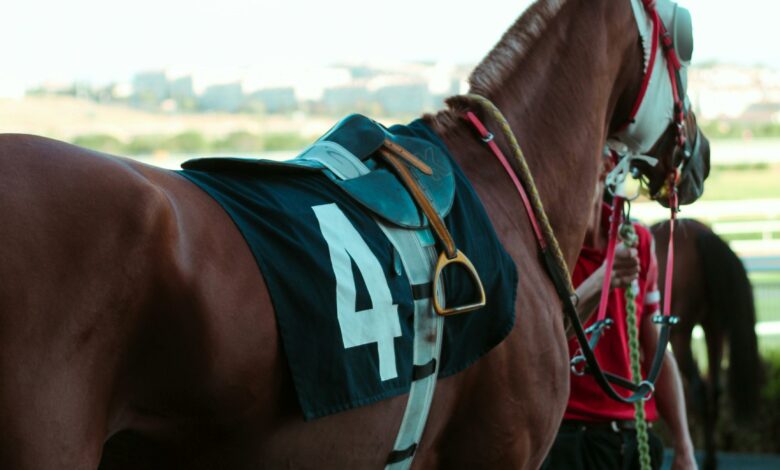
The strongest horse doesn’t always win.
The fastest one doesn’t either.
So what actually makes a horse perform at its best?
Two horses stand side by side.
Both powerful. Both trained. Both ready.
From the outside, there is no clear difference.
But once they move, everything changes.
One flows effortlessly — balanced, responsive, precise.
The other, despite its strength, struggles to maintain rhythm.
And suddenly, it becomes clear:
Strength alone is not enough.
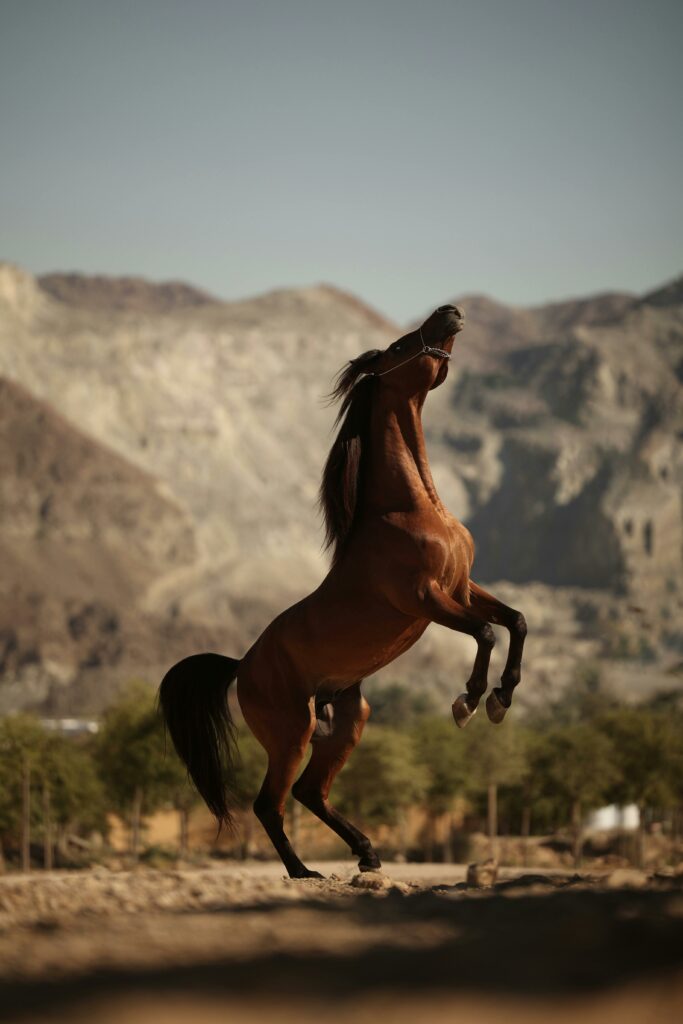
Strength Is Only One Part of Performance
In equestrian sports, strength is often seen as the ultimate advantage.
A stronger horse appears more capable — more powerful, more dominant, more prepared.
But performance is not defined by strength alone.
Because true performance depends on how that strength is used.
A horse may have the physical ability to move faster or push harder.
But without control, timing, and balance…
That strength becomes inefficient.
The Importance of Balance
Balance is one of the most underrated aspects of equine performance.
A balanced horse:
- moves efficiently
- conserves energy
- maintains rhythm
An unbalanced horse, even if strong, may:
- waste energy
- lose coordination
- struggle under pressure
Balance allows the horse to translate strength into movement.
Without it, strength works against the horse rather than for it.
Because Power Without Control Is Unstable
It is easy to assume that more power leads to better performance.
But power without control creates inconsistency.
A horse that cannot regulate its movement will:
- overextend
- lose rhythm
- fatigue faster
Control transforms strength into precision.
And precision is what defines elite performance.
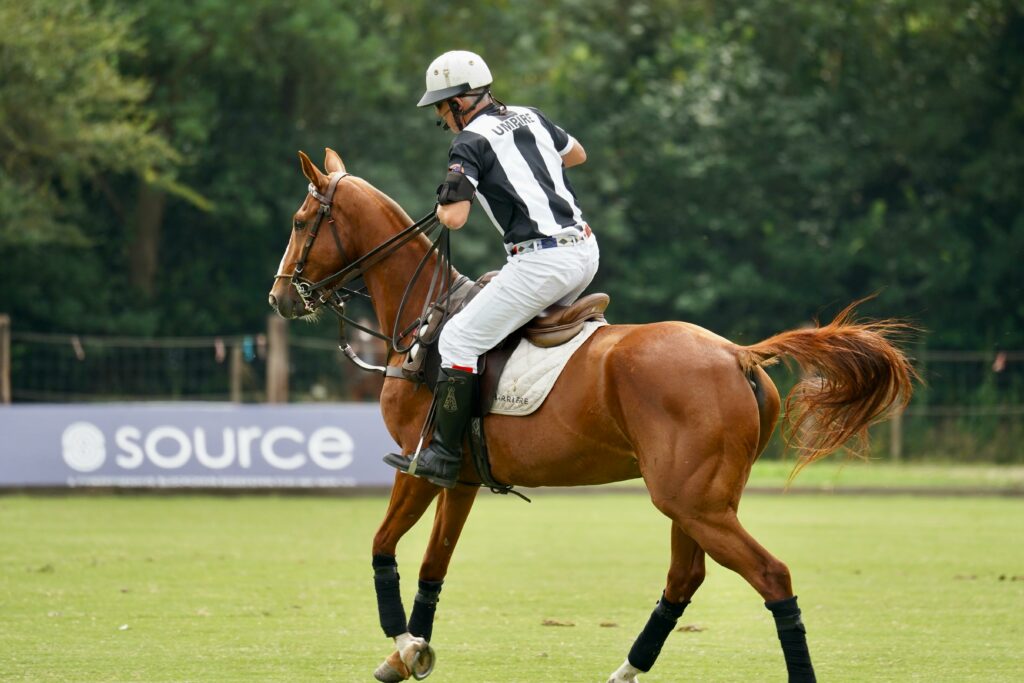
Training Shapes Response, Not Just Strength
Training is often misunderstood.
Many believe it focuses on building physical capability.
But at higher levels, training is about response.
How quickly the horse reacts.
How clearly it understands cues.
How effectively it adapts to different situations.
A well-trained horse doesn’t rely on force.
It relies on understanding.
Performance Is More Than Strength
Strength alone is not enough.
Horses rely on:
- balance
- timing
- response
👉 (Add internal link: horse behavior article)
The Role of Control
A controlled horse performs better than a powerful one.
Because control allows:
- precision
- consistency
- confidence
Training Shapes Performance
Training is about response.
Not force.
👉 (Add internal link: training techniques article)
The UAE Factor
Conditions affect performance:
- heat
- surface
- pressure
Because Sometimes…
The difference is not strength.
It’s understanding.
Conclusion
The best horse is not the strongest.
It’s the one that responds the best.
🔗 You May Also Like