Rodeo Drive Captures NHK Mile Cup Glory
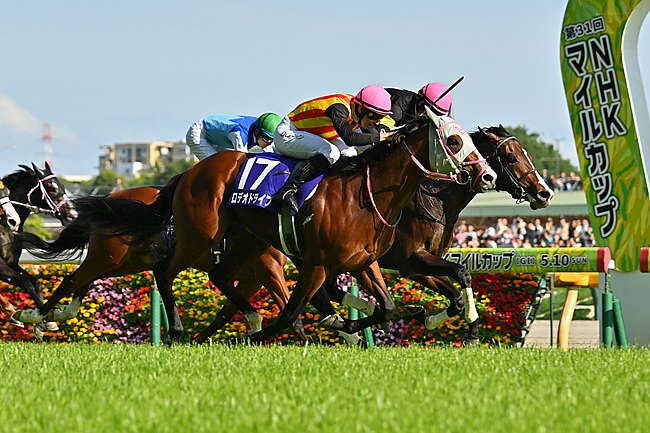
Japanese racing delivered another thrilling chapter as Rodeo Drive stormed to victory in the prestigious NHK Mile Cup at Tokyo Racecourse, showcasing speed, resilience, and tactical brilliance in one of the country’s most important races for three-year-olds.
The NHK Mile Cup once again proved why it remains one of Japan’s most exciting and unpredictable races, with Rodeo Drive producing a powerful performance to claim victory at Tokyo Racecourse. In a dramatic finish filled with speed, pressure, and tactical positioning, the talented three-year-old emerged strongest in the final moments, delivering a win that immediately captured attention across the racing world.
Held over the famous Tokyo turf course, the NHK Mile Cup has long been considered one of the defining tests for young horses specializing in middle-distance speed and tactical racing. Winning the race often places a horse firmly among the elite talents of its generation, and Rodeo Drive’s success now positions the colt as one of the most exciting names in Japanese racing this season.
The race itself unfolded exactly as fans hoped: fast, competitive, and filled with momentum shifts from start to finish. Horses battled for position throughout the stretch, with several contenders appearing capable of taking the title before Rodeo Drive surged at the perfect moment to secure victory.
A Prestigious Race in Japanese Racing
The NHK Mile Cup holds a unique place in Japan’s racing calendar. Established in the 1990s, the Grade 1 event quickly became one of the country’s premier races for three-year-olds competing over the mile distance.
Tokyo Racecourse provides the perfect stage for the competition. Known for its long straight and demanding finish, the venue rewards horses with both stamina and acceleration. Winning at Tokyo often requires more than pure speed alone. Horses must remain balanced, patient, and tactically efficient before producing a strong closing effort.
This year’s edition once again highlighted those qualities.
Rodeo Drive’s victory demonstrated not only raw pace but also maturity and racing intelligence. The horse handled the pressure of a major Grade 1 environment exceptionally well and responded strongly during the most critical phase of the race.
For owners, trainers, jockeys, and supporters, victories in races like the NHK Mile Cup carry enormous significance. These moments can shape a horse’s future reputation and influence career plans for the rest of the season.
A Race Filled with Intensity
The NHK Mile Cup is rarely straightforward, and this year’s contest was no exception. From the opening stages, the field moved aggressively into position as jockeys searched for rhythm and track placement around the Tokyo course.
The early pace created immediate tension. Several runners attempted to establish strong positioning, while others waited patiently behind the leaders, hoping to conserve energy for the demanding final stretch.
Rodeo Drive appeared composed throughout those early stages. Rather than becoming caught in unnecessary pressure, the horse settled into rhythm while remaining close enough to strike when the opportunity arrived.
As the field entered the decisive final section of the race, the intensity increased dramatically. The leading group tightened, challengers moved forward aggressively, and the crowd responded to the growing excitement.
It was at this moment that Rodeo Drive delivered the defining move of the race.
Showing excellent acceleration and determination, the colt surged through pressure from rivals and found another level approaching the finish line. The victory was not handed easily. It was earned through timing, balance, and courage under pressure.
Tactical Riding Makes the Difference
Top-level racing often comes down to split-second decisions, and the jockey aboard Rodeo Drive played a major role in the outcome.
Tokyo Racecourse can punish poor positioning. Move too early and a horse may fade before the finish. Wait too long and opportunities disappear instantly. Success requires judgment, patience, and confidence.
Rodeo Drive’s ride appeared measured and disciplined from the start. The horse was kept relaxed while avoiding unnecessary traffic problems, allowing enough energy to remain for the crucial closing stages.
As the race opened late, the timing of the final challenge proved decisive. The jockey trusted the horse’s acceleration and committed at exactly the right moment, allowing Rodeo Drive to produce maximum impact during the stretch drive.
This kind of tactical execution is what separates strong Grade 1 performances from ordinary wins.
The Strength of Japanese Racing
Rodeo Drive’s NHK Mile Cup triumph also reflects the continued strength and global reputation of Japanese horse racing. Over the last two decades, Japan has developed into one of the world’s most respected racing nations, producing elite horses capable of competing internationally at the highest level.
Japanese racing is admired for its professionalism, breeding quality, fan engagement, and disciplined training systems. Races like the NHK Mile Cup demonstrate the depth of talent emerging each season.
The atmosphere surrounding major Japanese racing events is unique. Crowds bring passion and energy, yet the sport maintains remarkable organization and respect for tradition. Tokyo Racecourse, in particular, continues to stand among the world’s most iconic racing venues.
Victories at this level immediately attract international attention because Japanese racing has become so globally influential. Horses succeeding in Grade 1 company are now followed closely not only in Asia but also across Europe, the Middle East, Australia, and North America.
Rodeo Drive’s Future Looks Bright
Whenever a three-year-old wins an important Grade 1 race, attention immediately shifts toward the future. Fans and analysts begin asking the same question: what comes next?
For Rodeo Drive, the possibilities now appear exciting.
The NHK Mile Cup has historically produced horses capable of succeeding over greater distances later in their careers. Some winners develop into versatile stars who compete successfully across multiple racing categories.
The article itself hinted at this possibility, noting that the race has produced champions at greater distances as well. That observation naturally raises interest around Rodeo Drive’s long-term potential.
If the colt continues progressing physically and mentally, larger targets could soon enter the conversation. Japanese racing offers numerous prestigious opportunities later in the season, and connections will likely evaluate which path best suits the horse’s abilities.
What already seems clear, however, is that Rodeo Drive possesses the quality required for elite competition.
The Importance of Mental Toughness
One of the most impressive aspects of Rodeo Drive’s performance was composure. Young horses competing in high-pressure Grade 1 races often face enormous mental demands.
Large crowds, aggressive pace, close competition, and intense atmosphere can overwhelm inexperienced runners. Maintaining focus becomes just as important as physical talent.
Rodeo Drive handled those conditions impressively. Even during the chaotic final stages, the colt remained balanced and responsive. That mental strength could become extremely important as competition grows tougher later in the career.
Great racehorses are not defined only by speed. They are also defined by courage, adaptability, and the ability to perform under pressure. Rodeo Drive’s NHK Mile Cup victory suggested the presence of those qualities.
A Victory Celebrated Across Racing
The scenes following the race reflected the importance of the achievement. Owners, trainers, jockeys, and supporters celebrated a moment that represented years of preparation and investment.
Horse racing victories at this level are never accidental. Behind every Grade 1 winner stands a full team: breeders, stable staff, veterinarians, exercise riders, trainers, and countless others who contribute daily to a horse’s development.
Rodeo Drive’s success belongs to that entire support system.
The victory also added another memorable chapter to the NHK Mile Cup’s rich history. Every year, the race introduces new stars, dramatic finishes, and future champions. This season, Rodeo Drive earned a place within that legacy.
Final Thoughts
Rodeo Drive’s triumph in the NHK Mile Cup at Tokyo Racecourse delivered exactly what racing fans hoped for — excitement, quality competition, and a star-making performance on one of Japan’s biggest stages.
Through tactical discipline, powerful acceleration, and composure under pressure, the talented three-year-old captured a major Grade 1 victory that could become a turning point in the season. The win not only strengthened Rodeo Drive’s reputation but also reinforced the global prestige of Japanese horse racing.
As attention now turns toward future targets, one thing is certain: Rodeo Drive has emerged as a name the racing world will continue watching closely.