The Bond Beyond Words: Understanding a Horse’s Love and Daily Habits
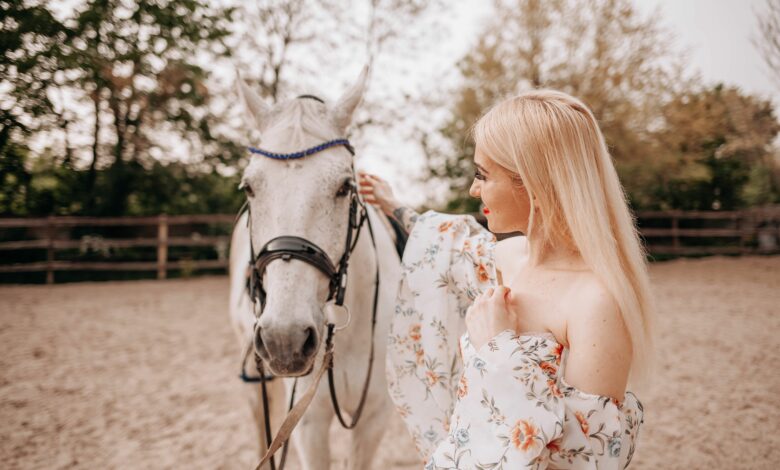
Few relationships in the animal world are as unique and rewarding as the bond between a horse and its human companion. Horses may not express affection in the same way as dogs or cats, but those who spend time around them quickly learn that these intelligent and sensitive animals are capable of forming deep emotional connections. Understanding a horse’s habits and behavior can help strengthen that relationship and create a partnership built on trust, respect, and mutual affection.
Horses are naturally social animals. In the wild, they live in herds where cooperation and communication are essential for survival. This instinct remains strong in domestic horses, which is why they often seek companionship from both other horses and humans. A horse that trusts and loves its owner may greet them at the gate, follow them around the paddock, or relax completely in their presence.
One of the most common signs of affection in horses is gentle grooming behavior. Horses often groom each other in the herd by nibbling softly around the neck and shoulders. When a horse attempts this behavior with a trusted human, it is often a sign of friendship and comfort. Other signs include lowering their head, softly nuzzling, following willingly, and responding calmly to voice commands.
Daily habits play an important role in a horse’s emotional well-being. Horses thrive on routine and consistency. They are creatures of habit and feel most secure when their feeding, exercise, and rest schedules remain predictable. A horse that knows what to expect each day is generally calmer, healthier, and more confident.
Feeding is one of the most important parts of a horse’s daily routine. Horses naturally spend many hours grazing, and modern horse management often attempts to replicate this behavior through pasture access or multiple small meals throughout the day. Providing a balanced diet and fresh water helps maintain both physical health and a positive temperament.
Exercise is another essential habit. Whether through riding, groundwork, turnout, or light training, regular movement keeps horses physically fit and mentally engaged. Horses that receive appropriate exercise are often more relaxed and responsive, while those with limited activity can become bored or frustrated.
Rest is equally important. Although horses can sleep standing up, they also require periods of lying down to achieve deep sleep. A safe and comfortable environment encourages proper rest and contributes to overall happiness and health.
Communication forms the foundation of every strong horse-human relationship. Horses constantly observe body language, energy, and tone of voice. They remember positive experiences and respond best to calm, consistent handling. Building trust takes time, but once established, it often results in a remarkable partnership that can last for many years.
Horse lovers frequently describe their relationship with their horses as something special and difficult to explain. It is a connection based not on words, but on understanding. A horse learns to recognize its owner’s voice, mood, and presence, while the owner learns to interpret subtle signs and behaviors.
In the end, a horse’s love is expressed through trust, loyalty, and companionship. By respecting their natural habits and providing proper care, owners can develop a bond that goes far beyond riding—a friendship that enriches both horse and human alike.