A Rare Surprise: When Two White Horses Produce an Unexpected Foal
The world of horses is full of surprises, but every now and then a foal is born that captures the attention of breeders, veterinarians, and horse lovers alike. While experienced horse owners often have a good idea of what a newborn foal might look like based on its parents, nature occasionally delivers an unexpected result that reminds us just how fascinating equine genetics can be.
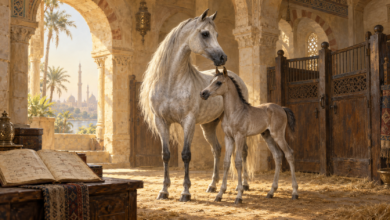
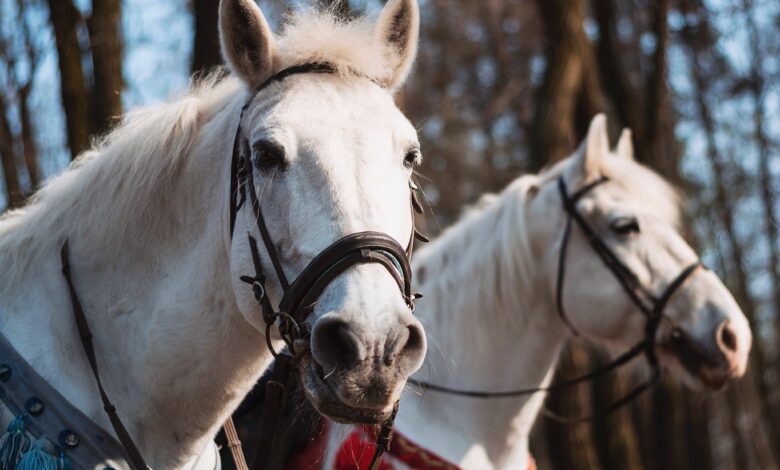
Recently, horse enthusiasts were captivated by the story of a foal born to two beautiful white horses. Given the appearance of both parents, many expected the youngster to arrive with a similar snowy-white coat. Instead, the foal displayed a strikingly different color pattern, leaving everyone amazed by the outcome.
While such surprises may seem unusual, they are actually rooted in the complex science of equine genetics. A horse’s coat color is determined by multiple genes passed down through generations. Even when both parents appear white, they may carry hidden genetic traits inherited from ancestors many years earlier. These traits can suddenly reappear in offspring, producing colors and markings that no one anticipated.
Horse breeders have long understood that coat color inheritance can be unpredictable. A seemingly simple pairing can produce a foal with unexpected shades, unique markings, or rare color combinations. In some cases, the genes responsible for a particular color may remain hidden for generations before appearing again.
Beyond genetics, every foal is unique from the moment it takes its first steps. During the first few weeks of life, many foals undergo noticeable changes in appearance. Their coats may lighten, darken, or develop additional markings as they mature. Some horses that appear dark at birth eventually become gray or white, while others retain their original coloring throughout adulthood.
For breeders, these unexpected outcomes add excitement to the foaling season. While performance, health, temperament, and conformation remain the primary goals of responsible breeding programs, a rare or unusual coat color often generates additional interest within the equestrian community.
Arabian horses, celebrated throughout the Middle East for their beauty, intelligence, and elegance, are particularly admired for their diverse range of coat colors. From pure white and gray to bay, chestnut, and black, each horse possesses a distinctive appearance that contributes to its individual charm.
Yet experienced horsemen will often say that true beauty goes far beyond color. A horse’s character, athletic ability, movement, and temperament are ultimately far more important than the shade of its coat. While an unusual appearance may attract attention, it is the horse’s personality and performance that leave a lasting impression.
The story of this remarkable foal serves as a reminder of why horses continue to fascinate people around the world. Every birth represents a new chapter and a new possibility. Even after centuries of breeding knowledge, nature still finds ways to surprise us.
For horse lovers, moments like these capture the magic of the equestrian world—a world where every foal carries the promise of something extraordinary.
Discover more stories from the world of horses and breeding in Al Badia Magazine’s Equestrian section.