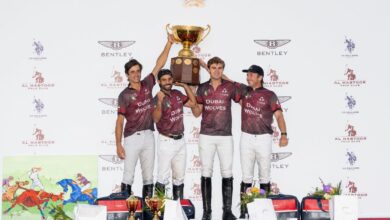
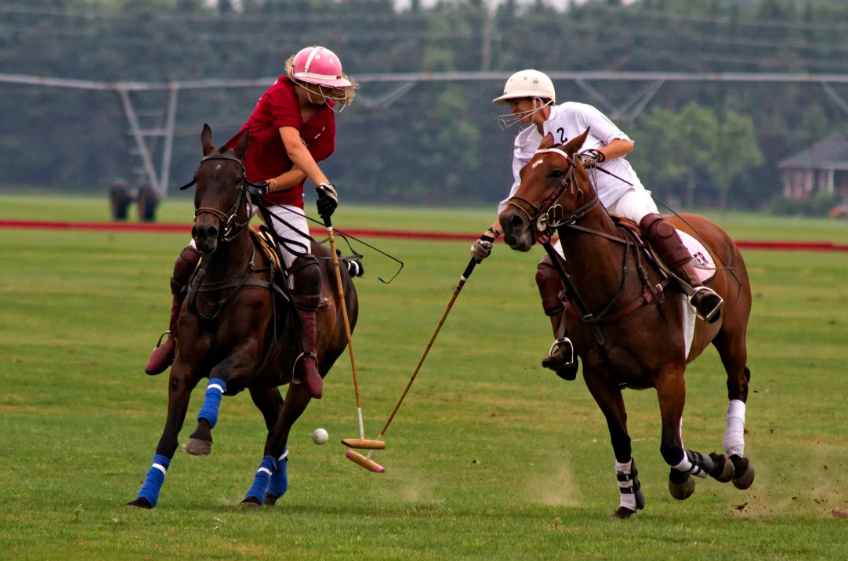
A Sport Rooted in History and Prestige
Few sports combine speed, strategy, and elegance quite like polo. Often referred to as the “sport of kings,” polo has a history that stretches back centuries. Originally played by Persian cavalry units as a training exercise, the sport gradually evolved into one of the most prestigious equestrian competitions in the world.
Today polo is played across continents—from historic fields in England and Argentina to luxury polo clubs in the Middle East. The sport remains synonymous with sophistication, athleticism, and elite equestrian culture.
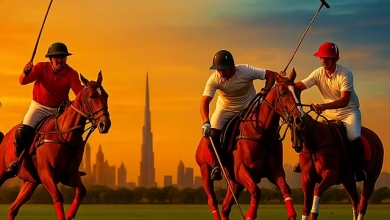
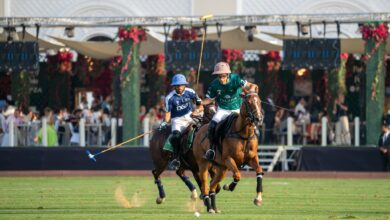
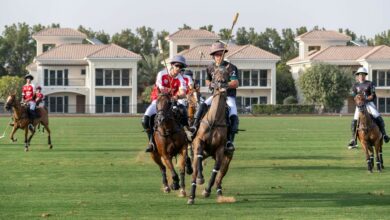
For spectators, polo is a thrilling spectacle. Riders gallop across vast fields at remarkable speeds while controlling both their horses and the ball with precision. The combination of athletic skill and horsemanship makes polo one of the most exciting equestrian disciplines.
Speed, Strategy and Precision
Unlike many equestrian sports, polo is played at high speed and requires remarkable coordination between rider and horse. Matches are divided into periods called “chukkas,” each lasting several minutes. During this time, players maneuver their horses to strike a small ball toward the opposing team’s goal.
Success in polo depends on teamwork and strategy. Players must anticipate the movements of both teammates and opponents while maintaining precise control of their horses.
Equally important is the horse itself. Polo ponies—despite the name—are full-sized horses bred and trained specifically for agility, speed, and responsiveness.
These horses are extraordinary athletes capable of sudden turns and rapid acceleration.
The Bond Between Player and Horse
In polo, the partnership between rider and horse is crucial. A player may ride several horses during a single match, changing mounts between chukkas to ensure each horse remains fresh and energetic.
Polo horses are trained to respond instantly to subtle signals from their riders. This level of communication requires months—often years—of training and trust.
The result is a remarkable display of harmony between human and horse.
Polo in the Modern Era
While polo retains its historic charm, the sport has also evolved to meet modern audiences. International tournaments attract spectators from around the world, combining high-level competition with luxury hospitality experiences.
Major polo events often feature fashion showcases, gourmet dining, and social gatherings that celebrate equestrian lifestyle.
This blend of sport and culture helps explain why polo remains one of the most prestigious events in the equestrian calendar.