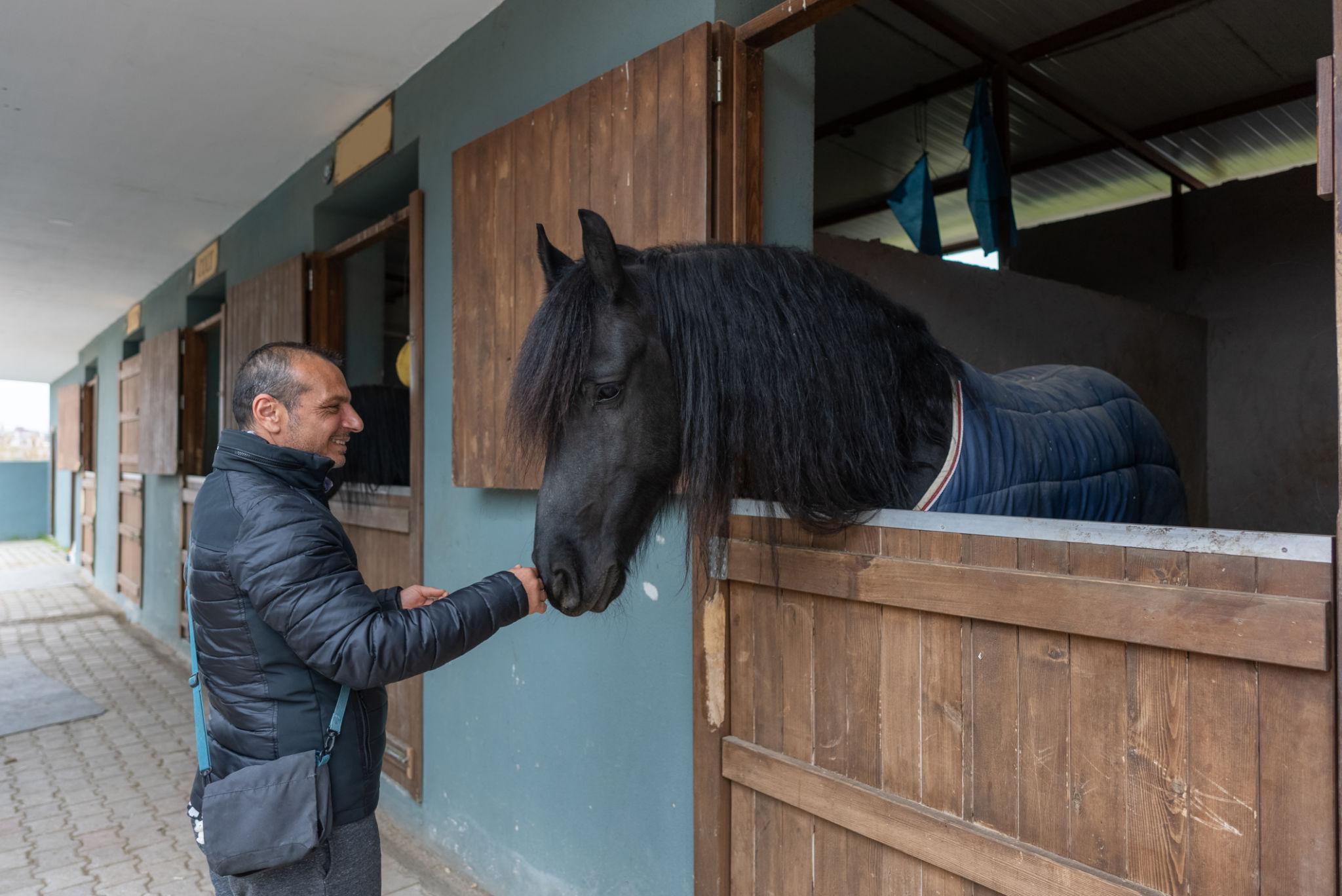
Just as human athletes rely on mental strength to perform under pressure, horses too possess a psychological dimension that influences their behavior, reactions, and ultimately, their performance. Understanding this hidden layer is what separates ordinary competitors from true champions.
In the world of elite horse racing and equestrian sport, success is often attributed to breeding, training, and physical strength. While these elements are undeniably important, they only tell part of the story. Behind every winning horse lies an often overlooked yet decisive factor—its psychology.

Understanding the Equine Mind
Horses are not simply instinct-driven animals; they are highly perceptive and emotionally responsive beings. Their survival in the wild depended on their ability to detect danger quickly, which is why they are extremely sensitive to their surroundings. This sensitivity translates directly into their performance on the track.
A confident, relaxed horse behaves very differently from one that is anxious or overstimulated. Even subtle environmental changes—such as noise levels, unfamiliar surroundings, or the presence of other horses—can influence how a horse reacts before and during a race.
The Importance of Trust
At the heart of every successful horse-rider partnership is trust. This relationship is built over time through consistent interaction, care, and communication. When a horse trusts its rider, it becomes more willing to respond to commands and adapt during high-pressure situations.
In racing, where decisions must be made in fractions of a second, this trust becomes invaluable. A horse that hesitates or resists its rider can lose crucial momentum, while one that responds instinctively has a clear advantage.
Confidence as a Performance Driver
Confidence is one of the most powerful psychological traits in a horse. Horses that have experienced success tend to develop a sense of assurance, which positively influences their performance. They approach races with focus and determination rather than hesitation.
Building confidence requires careful handling. Trainers often use positive reinforcement techniques, rewarding good behavior and gradually exposing horses to competitive environments. Over time, this creates a horse that is not only physically prepared but mentally resilient.
Managing Stress and Anxiety
Stress is one of the biggest challenges in equestrian sport. The race environment—crowds, noise, and high energy—can overwhelm even well-trained horses. Managing this stress is essential to maintaining peak performance.
Top trainers use a variety of methods to reduce anxiety, including maintaining consistent routines, providing familiar surroundings, and gradually introducing horses to race-day conditions. The goal is to create a sense of stability in an otherwise unpredictable environment.
The Role of Routine
Horses thrive on routine. Regular feeding times, consistent training schedules, and predictable environments contribute to a stable psychological state. Disruptions to this routine can lead to anxiety and reduced performance.
For champion horses, maintaining routine is not just a preference—it is a necessity. It provides a sense of control and familiarity, allowing them to focus entirely on performance.
Adaptability: The Mark of a Champion
While routine is important, adaptability is equally critical. The best horses are those that can adjust to changing conditions—different tracks, weather, or competition levels—without losing focus.
This adaptability is a psychological trait that sets elite horses apart. It allows them to remain composed and perform consistently, regardless of external factors.
The Trainer’s Perspective
Modern trainers understand that physical conditioning alone is not enough. They must also act as psychologists, observing each horse’s behavior and tailoring training methods accordingly. Some horses respond well to gentle encouragement, while others require a more structured approach.
This individualized attention ensures that each horse reaches its full potential, both physically and mentally.
Lessons from Champions
History has shown that the greatest racehorses share common psychological traits: focus, resilience, intelligence, and a strong bond with their handlers. These qualities allow them to perform under pressure and maintain consistency at the highest level.
These are not traits that can be bred alone—they must be developed through careful training and understanding.
Conclusion
In the end, what separates champions from the rest is not just speed or strength, but mindset. By recognizing the importance of equine psychology and investing in mental training, the equestrian world continues to evolve, producing horses that are not only powerful but truly exceptional.