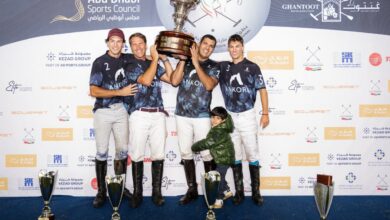
In a final defined by speed, confidence, and complete control, Pilot returned to the top of American polo with a commanding performance that secured the team’s third U.S. Open Polo Championship title.
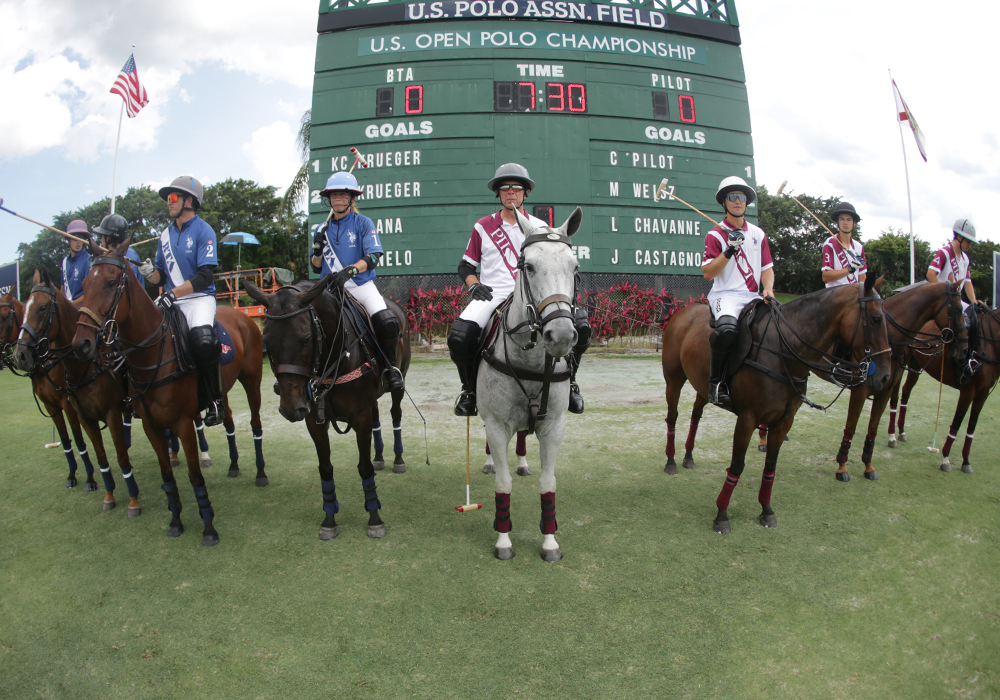
Pilot delivered a powerful statement on the biggest stage of American polo, defeating BTA in the final of the U.S. Open Polo Championship at the National Polo Center in Wellington, Florida. The victory marked Pilot’s third U.S. Open title and confirmed the team’s place among the elite forces in modern polo.
The match brought together two determined sides, both of whom had fought through a demanding route to reach the final. For Pilot, the result was the perfect ending to a campaign built on experience, discipline, and attacking confidence. For BTA, it was a proud achievement to reach a first U.S. Open final, even though the title ultimately went to the more clinical team.
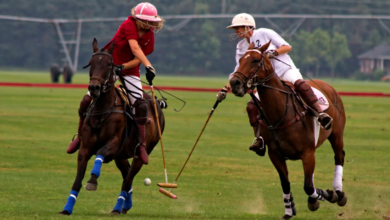
From the opening stages, Pilot showed why they remain one of the most respected names in the sport. Wearing their white-and-maroon colours, the team established control early and never allowed BTA to fully settle into the rhythm of the match. Their movement was sharp, their teamwork was precise, and their finishing carried the authority of a side that understood exactly what the occasion demanded.
At the centre of the performance was 18-year-old Lorenzo Chavanne, whose rise throughout the tournament had already captured attention. Entering the final as the leading scorer of the Gauntlet of Polo, Chavanne carried that form into the championship match with remarkable maturity. Despite his young age, he played with the confidence of a seasoned competitor, helping Pilot maintain pressure and convert key opportunities.
Pilot’s strength was not based on one player alone. The team’s structure, balance, and tactical discipline were central to the victory. Curtis Pilot, Mackenzie Weisz, Lorenzo Chavanne, and Camilo “Jeta” Castagnola combined effectively throughout the match, creating a performance that blended experience with explosive talent. Their ability to read the game, adjust quickly, and maintain attacking momentum proved decisive.
BTA, represented by KC Krueger, Steve Krueger, Tomas Panelo, and Ignacio “Nachi” Viana, entered the final with belief after an impressive tournament run. The team had shown resilience throughout the competition, especially after a slower start in the Gauntlet. Their journey to the final reflected character and determination, making their appearance in the championship match a significant moment for the organisation.
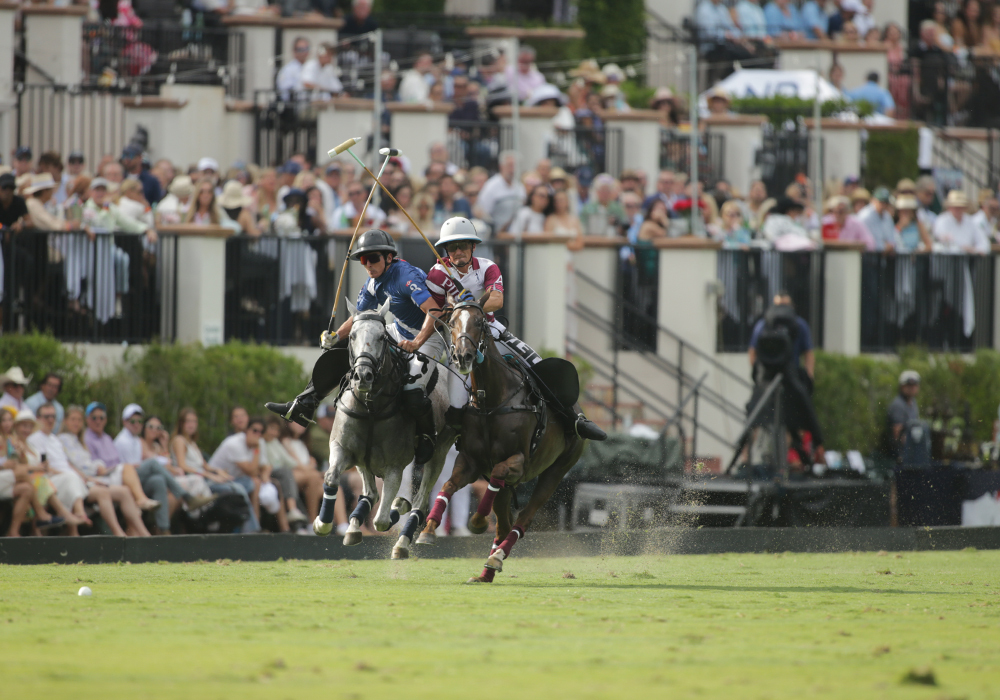
However, the final belonged to Pilot. After taking the lead, the team never looked back. Their advantage grew as the match progressed, with quick transitions and strong finishing keeping BTA under constant pressure. In polo, momentum can shift quickly, but Pilot’s composure prevented any serious comeback from developing.
One of the defining features of Pilot’s performance was their control of pace. They knew when to accelerate, when to hold possession, and when to apply pressure. This control allowed them to dictate the rhythm of the match and limit BTA’s ability to create sustained attacking phases.
The 15-10 final score reflected Pilot’s superiority on the day. It was not only a win, but a complete performance—one built on accuracy, teamwork, and calm decision-making under pressure. At this level, finals are often decided by small margins, but Pilot created enough separation to make their dominance clear.
The victory also carried financial reward, with Pilot earning $100,000 in prize money. Yet the greater prize was undoubtedly the prestige of lifting the U.S. Open Polo Championship trophy once again. As one of the most important titles in international polo, the U.S. Open carries immense history and significance. Winning it once is a major achievement; winning it three times places a team in distinguished company.
For Pilot, this latest triumph reinforces a legacy of excellence. The team has consistently demonstrated the qualities required to succeed in high-goal polo: strong leadership, elite horsemanship, tactical awareness, and the ability to perform when pressure is highest.
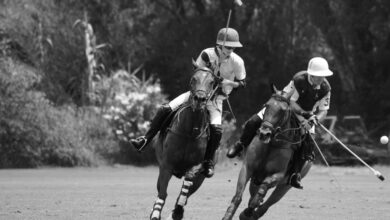
The role of the horses should also not be overlooked. In championship polo, success depends not only on the skill of the players but also on the quality, speed, and conditioning of the horses. Pilot’s mounts gave the team the power and agility needed to execute their game plan effectively. Their ability to accelerate, turn, and respond under pressure was a key factor in sustaining the team’s high tempo.
For young Lorenzo Chavanne, the final may become a defining moment in an already promising career. His performance under the spotlight showed that he has the temperament and talent to compete at the highest level. To contribute so significantly in a U.S. Open final at just 18 years old is a remarkable achievement, and it will only increase expectations around his future in the sport.
For BTA, the loss will be disappointing, but their campaign should still be viewed with pride. Reaching the final of the U.S. Open Polo Championship is a major milestone, especially for a team making its first appearance at that stage. Their progress throughout the tournament suggests that they have the foundation to return stronger in future editions.
The final also highlighted the continued strength of polo in the United States. The National Polo Center in Wellington remains one of the sport’s most important venues, attracting leading teams, players, and spectators. Events like the U.S. Open help showcase polo’s unique combination of athleticism, strategy, speed, and tradition.
What made Pilot’s victory particularly impressive was the clarity of their performance. There was no panic, no unnecessary risk, and no loss of focus. They played like a team that understood both the weight of history and the demands of the present moment.
In many ways, this was a classic championship performance. Pilot did not simply win because of individual brilliance. They won because every element worked together: players, horses, tactics, and timing. That level of unity is what separates good teams from champions.
As the celebrations begin, Pilot can reflect on a campaign that ended in the best possible way. The team faced pressure, handled expectation, and delivered when it mattered most. Their third U.S. Open Polo Championship title is not just another trophy—it is proof of sustained excellence in one of the most demanding sports in the world.
For spectators, the final offered everything that makes polo captivating: speed, skill, rivalry, and high-stakes drama. For Pilot, it offered something even more meaningful—a return to the summit.
And once again, they proved that when the pressure is at its highest, champions find another gear.