The Timeless Bond Between Horses and Arabian Heritage
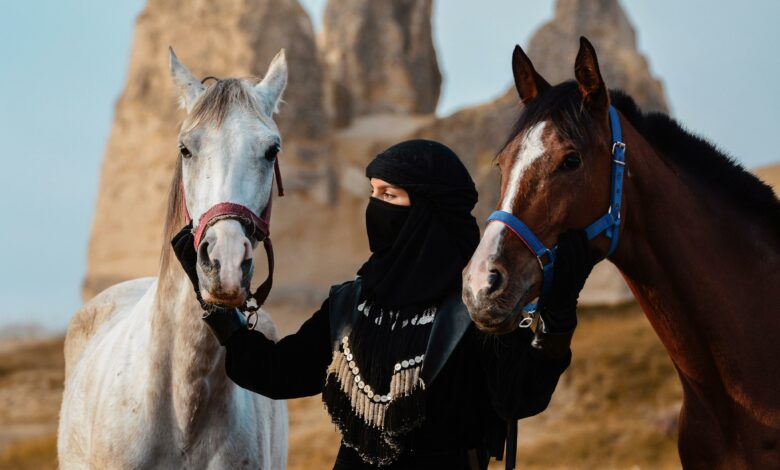
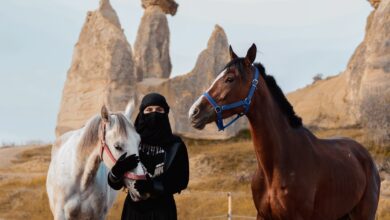
Long before modern racing tracks and international polo tournaments, horses were already deeply connected to Arabian identity. Across the Gulf, the relationship between humans and horses has never been purely about sport — it has always represented heritage, loyalty, pride, and tradition.
In the modern Gulf region, horse racing and polo continue to attract global attention, luxury audiences, and elite competition. Yet behind the glamour of international tournaments and world-class stables lies something much deeper: a centuries-old cultural connection between the Arabian world and the horse.
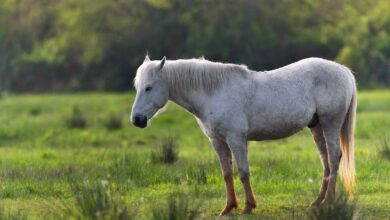
For generations, horses played a central role in daily life across the Arabian Peninsula. They were companions during travel, symbols of prestige, and trusted partners during difficult desert journeys. Arabian horses became known worldwide for their beauty, intelligence, endurance, and loyalty. Even today, the Arabian horse remains one of the most respected and admired breeds globally.
In the UAE especially, the equestrian world continues to hold unique cultural significance. The country has invested heavily in preserving equestrian traditions while simultaneously becoming one of the world’s leading destinations for horse racing, endurance competitions, and polo.
Dubai’s Meydan Racecourse, Abu Dhabi’s equestrian clubs, and elite polo communities across the UAE have transformed the region into an international center for horse sport. Yet despite modern infrastructure and luxury events, the emotional connection to horses remains remarkably traditional.
That connection can still be seen during local endurance rides, stable visits, and family-owned equestrian farms throughout the country. For many horse owners, caring for a horse is not simply a hobby or business investment. It represents patience, discipline, responsibility, and respect.
Arabian horses also continue to influence global breeding programs because of their distinctive characteristics. Their endurance capabilities, elegant movement, and calm temperament have made them highly valuable across multiple equestrian disciplines. Many international breeders still look toward the Middle East for authentic Arabian bloodlines and expertise.
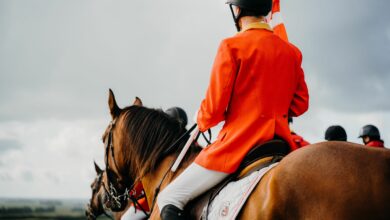
The world of polo has similarly expanded across the Gulf. Luxury polo clubs have become social destinations where sport, networking, and lifestyle intersect. Yet polo’s appeal also comes from the strong partnership required between rider and horse. Success in the sport depends not only on athletic ability but also on trust and communication between horse and rider.
One of the most remarkable aspects of equestrian culture in the Gulf is how tradition and modernity coexist. Today’s stables may feature advanced veterinary care, cutting-edge training facilities, and international-level management, but the respect shown toward horses remains deeply rooted in Arabian heritage.
Events such as the Dubai World Cup and international endurance competitions bring global audiences to the region every year. These events showcase not only elite competition but also the UAE’s commitment to preserving equestrian excellence for future generations.
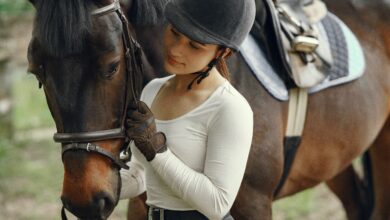
Young riders across the Gulf are also helping carry the culture forward. More children and teenagers are entering equestrian sports, learning horsemanship skills, and developing an appreciation for the traditions associated with horses. Riding schools and equestrian academies continue to grow throughout the region.
Luxury fashion and equestrian lifestyle have additionally become closely connected. From bespoke riding apparel to premium stable design and countryside-inspired interiors, equestrian influence can now be seen across lifestyle sectors far beyond sport itself.
At its core, however, the Arabian connection to horses has always been emotional rather than commercial. Horses symbolize freedom, strength, grace, and loyalty. These values remain deeply respected across the Gulf today.
As modern cities continue to evolve rapidly, equestrian culture offers something timeless. It creates a bridge between past and present — a reminder of heritage within an increasingly fast-moving world.
For many people in the UAE and wider Gulf region, horses are not simply part of history. They remain part of identity.