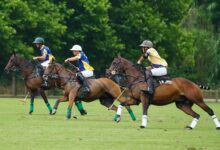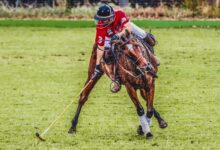
The Polo Horse That Knows the Game
The Polo Horse That Knows the Game: Can a Horse Anticipate the Ball Before Its Rider?
A polo player races across the field, mallet raised, eyes fixed on the ball.
An opponent approaches from the side. The direction of play changes suddenly, and within seconds the entire movement of the game is transformed.
Yet beneath the rider is another athlete making decisions of its own.
The polo horse.
Experienced polo ponies can become remarkably responsive to the rhythm of competition. They learn familiar movements, recognize rider cues and adjust their balance as the action develops.
To an observer, it can almost appear as though the horse understands where the ball is going before the rider does.
But is this genuine anticipation, or the result of years of specialized training?
The Intelligence Behind the Speed
Polo is among the most demanding equestrian team sports.
Horses must accelerate rapidly, stop, turn and remain balanced while other animals move nearby.
A successful polo horse needs more than speed.
It requires responsiveness, confidence and the ability to remain attentive in an environment that changes constantly.
Through repeated training and match experience, horses can learn to associate certain rider movements and situations with familiar actions.
A subtle change in rein contact, weight distribution or leg pressure may signal an approaching turn before the rider gives a more obvious instruction.
What spectators interpret as instinctive intelligence is often a sophisticated partnership built through experience.
When Horse and Rider Move as One
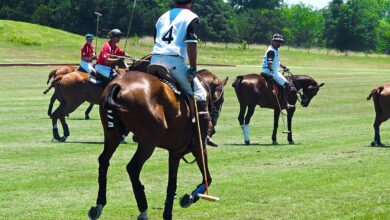
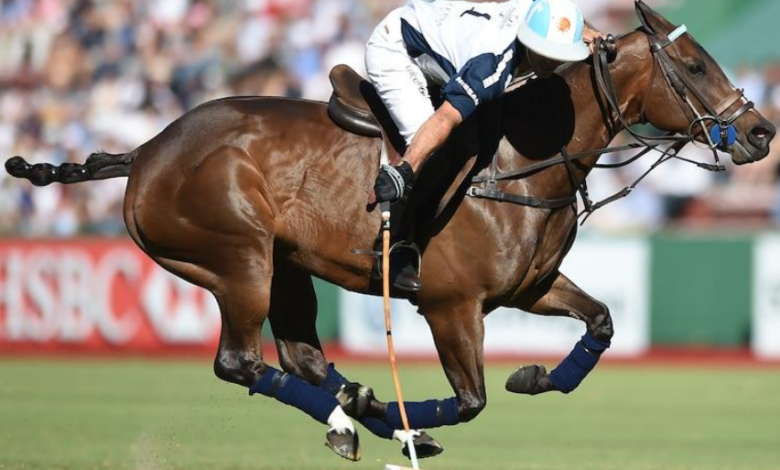
One of the most impressive sights in polo is a horse changing direction almost effortlessly while its rider prepares to strike.
The movement requires coordination between two athletes.
The rider must maintain balance while positioning the mallet.
The horse must respond to guidance without losing its own balance or confidence.
When the partnership works well, the result appears almost effortless.
This connection is central to the training methods described in Al Badia’s The Perfect Training Routine for Young Polo Players, where riding balance, horsemanship and communication form essential parts of a player’s development.
Can Polo Horses Really Read the Game?
It would be an exaggeration to claim that horses understand polo tactics in the same way human players do.
There is no clear evidence that they independently interpret team strategies or predict every movement of the ball.
However, experienced horses can learn patterns and become highly sensitive to their rider’s intentions.
They may respond to changes in pace, positioning and the movement of nearby horses.
This learned responsiveness can make an experienced polo pony appear extraordinarily intuitive.
The best partnerships develop through consistency, appropriate training and familiarity.
Why Some Horses Become Player Favourites
Professional polo players often develop strong preferences for particular horses.
One pony may be exceptionally quick off the mark.
Another may offer outstanding balance during tight turns.
A third may be especially calm under pressure.
These differences influence how a player manages a string of horses throughout a match.
As explored in Al Badia’s Why Argentine Horses Remain at the Heart of Elite Polo, selecting the right horse for the demands of the game is an important part of competitive strategy.