Why Horses Still Need Close Hydration Management in Cooler Weather
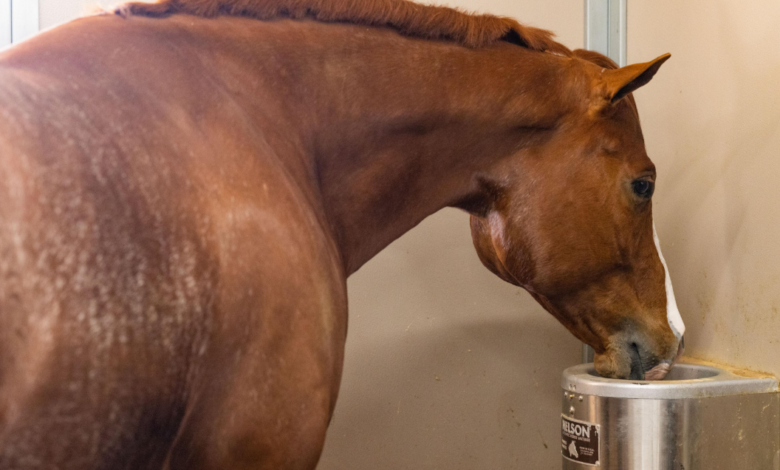
Good Hydration Is Essential in Every Season
When temperatures begin to fall, horse owners can easily associate dehydration with the heat of summer and pay less attention to water intake.
But a horse’s need for clean, readily available water continues throughout the year.
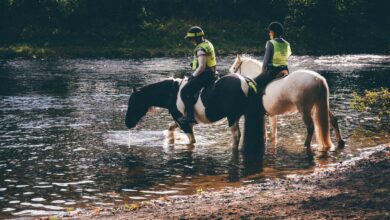
According to guidance from the American Association of Equine Practitioners (AAEP), daily water requirements can range from approximately 5 to 20 gallons (20–70 litres) depending on factors including temperature, humidity, body weight, activity and physiological condition. AAEP
For readers of Al Badia’s Horse Care section, this is particularly important because hydration influences digestion, thermoregulation and overall equine wellbeing.
Why Cooler Weather Can Be Deceptive
Horses may sweat less visibly when temperatures fall, but that does not eliminate their requirement for water.
Diet also matters.
When horses move away from moisture-rich pasture toward greater quantities of dry hay, they obtain less water directly from their feed. Maintaining voluntary water consumption therefore becomes important.
Equine nutrition guidance published by The Horse similarly stresses that adequate hydration is necessary for normal physiological functions, including digestion and temperature regulation. The Horse
This complements the broader nutrition principles discussed in Al Badia’s guide to essential horse care.
Keep Water Fresh and Accessible
The basic rule is straightforward: horses should have reliable access to fresh, clean water.
Water troughs and buckets should be inspected and cleaned regularly. In genuinely cold climates, owners must also ensure supplies do not freeze. The AAEP notes that horses in cold conditions can show a preference for warmer water. AAEP
For horses in training, requirements can be different again.
Exercise, travel, environmental conditions and sweating can all influence fluid requirements. Competition horses may therefore require closer monitoring than animals performing very light work.
Observe the Individual Horse
There is no single water figure that applies perfectly to every horse.
A large active horse, a lactating mare and a lightly exercised pony can have very different requirements.
Owners should therefore know their horse’s normal drinking behaviour and pay attention to significant changes.
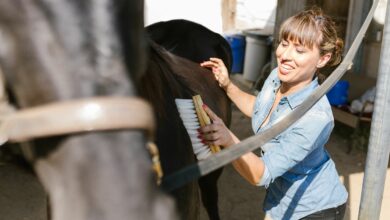
Hydration is only one element of good management. Nutrition, hoof care, dental health, grooming and veterinary care all contribute to overall wellbeing. Regular grooming, for example, also gives owners an opportunity to inspect the animal closely, as discussed in Al Badia’s horse grooming guide.
The key message is simple: cooler weather should never mean forgetting about water.
If a horse shows an unusual change in drinking, appetite, manure production or behaviour, professional veterinary advice is appropriate.
Follow Al Badia Magazine for more horse health, care, nutrition and stable-management features.