The Art of Horse Communication: How Riders Build Silent Trust with Their Horses
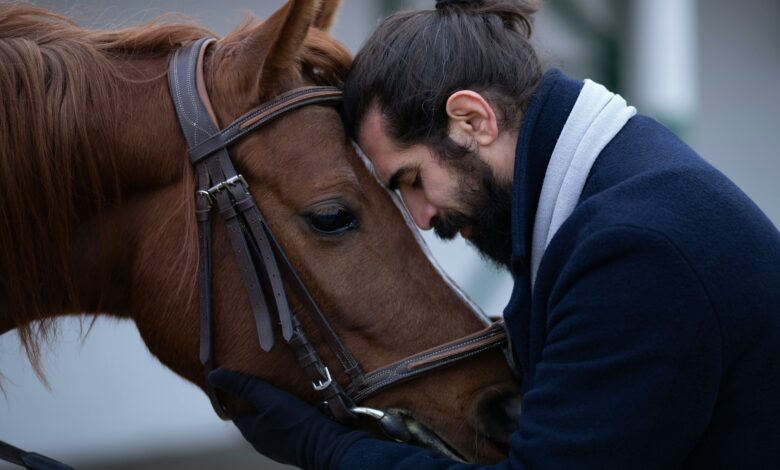
What if the most powerful conversation between a rider and a horse happens without a single word? In the world of equestrian life, true communication is silent—built through energy, movement, and trust that goes far beyond commands.
Horse riding has always been seen as a sport of skill, balance, and discipline. But beyond technique lies something far more profound—the ability to communicate without language. In 2026, as equestrian practices continue to evolve, the bond between horse and rider is increasingly understood as a form of silent dialogue.
This connection is not learned overnight. It is built over time, through patience, observation, and mutual respect. And for those who truly understand it, it becomes the defining factor between an average rider and an exceptional one.
Understanding the Horse’s Language
Horses are highly intuitive animals. Long before humans began training them, they relied on body language and instinct to survive. Even today, these instincts remain strong.
A horse communicates through:
- Ear movement
- Eye focus
- Body posture
- Tail motion
Each signal carries meaning. A slight turn of the ear can indicate attention, while tension in the body can reflect discomfort or stress.
For riders, learning to read these signals is the first step toward building a meaningful connection.
Energy: The Invisible Connection
One of the most overlooked aspects of horse communication is energy. Horses are extremely sensitive to the emotional state of the rider.
If a rider is:
- Nervous → the horse becomes alert
- Calm → the horse relaxes
- Confident → the horse responds positively
This is why experienced riders focus not only on physical control but also on mental presence. The horse reacts not just to what the rider does—but how they feel.
The Role of Trust
Trust is the foundation of every successful rider-horse relationship. Without it, communication breaks down.
Trust is built through:
- Consistency in training
- Gentle handling
- Clear signals
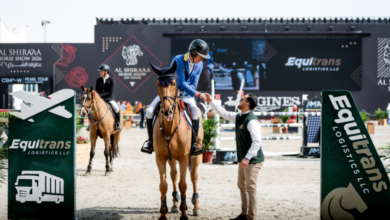
When a horse trusts its rider, it becomes more willing to respond, even in challenging situations. This trust is especially important in high-pressure environments such as competitions.
Timing and Precision
In horse riding, timing is everything. A cue given too early or too late can confuse the horse.
For example:
- A slight rein adjustment at the right moment can guide direction
- A delayed signal may lead to resistance
Experienced riders develop a sense of rhythm, allowing them to communicate with precision. This creates a seamless flow between horse and rider.
Training Beyond Commands
Traditional training often focuses on commands—stop, go, turn. But modern equestrian practices emphasize understanding over control.
Instead of forcing behavior, riders now aim to:
- Encourage natural movement
- Build confidence in the horse
- Create a cooperative partnership
This approach leads to better long-term results and a healthier relationship.
The UAE’s Equestrian Culture
In the UAE, horse culture is deeply rooted in tradition. From desert riding to international competitions, the bond between horse and rider is highly valued.
Facilities across Dubai and Abu Dhabi now combine traditional methods with modern training techniques, creating a unique environment where both heritage and innovation thrive.
Emotional Intelligence in Riding
Just as humans require emotional intelligence, so do riders.
Understanding when a horse is:
- Stressed
- Tired
- Motivated
allows the rider to adapt their approach. This sensitivity not only improves performance but also ensures the well-being of the horse.
When Communication Becomes Instinct
At the highest level, communication between horse and rider becomes almost instinctive.
There are moments when:
- No visible signal is given
- No command is heard
yet the horse responds perfectly.
These moments are the result of deep connection and understanding.
The Future of Horse Communication
As technology advances, tools such as motion tracking and biometric sensors are being introduced into equestrian training. These tools provide insights into horse behavior and performance.
However, even with advanced technology, the essence of communication remains unchanged.
It is still about:
- Trust
- Presence
- Connection
Explore More
Final Thoughts
Horse communication is not about control—it is about partnership.
In a world that often values speed and results, equestrian life reminds us of the importance of patience and understanding.
The strongest bond between horse and rider is not built through force, but through respect.
And in that silent connection lies the true beauty of the sport.