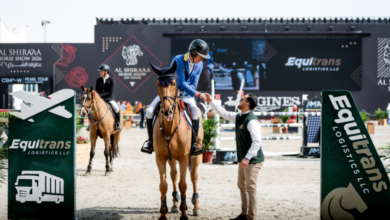
Why Horse Recovery Is Essential After Summer Competitions

Horse recovery has become one of the most important aspects of modern equestrian care, especially during the intense summer competition season. Professional riders and stable managers now understand that recovery routines directly impact a horse’s long-term performance, health, and overall wellbeing.
After competitions, horses often experience muscle fatigue, dehydration, and physical stress caused by travel, heat, and intense activity. Without proper recovery, these factors can affect future performance and increase the risk of injury. This is why elite stables now prioritize post-event care as much as training itself.
Hydration remains one of the key elements in horse recovery. Horses lose significant fluids during warm-weather competitions, making electrolyte balance extremely important. Many trainers now use specialized cooling systems, hydrotherapy, and carefully managed feeding schedules to support recovery.
Massage therapy and stretching techniques are also becoming increasingly common in professional equestrian environments. These methods help improve blood circulation, reduce muscle tension, and support relaxation after demanding performances.
Modern equestrian facilities across the GCC are investing heavily in advanced recovery equipment, including cold-water treadmills, salt therapy rooms, and equine physiotherapy centers. These technologies are helping horses maintain peak condition throughout busy competition schedules.
Nutrition also plays a major role in recovery. Balanced feeding programs with proper vitamins, minerals, and supplements help horses rebuild energy and maintain muscle health after events.
As equestrian sport continues evolving, recovery is no longer considered optional. It has become a critical part of professional horse care, helping athletes achieve consistency, longevity, and top-level performance throughout the season.