The Art of Horse Beauty: Keeping Equine Stars Looking Their Best
A horse’s beauty is about far more than appearance alone. In the equestrian world, a healthy, radiant horse reflects excellent care, proper nutrition, and a strong commitment to welfare. Whether preparing for a competition, a polo match, or simply maintaining a horse in peak condition, grooming plays a vital role in both health and presentation.
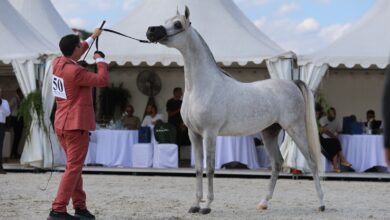
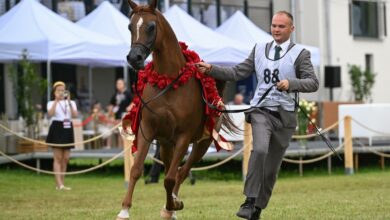
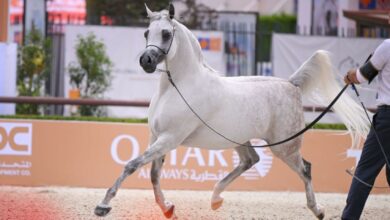
For centuries, Arabian horses have been admired for their elegance, intelligence, and striking appearance. Their refined heads, expressive eyes, flowing manes, and naturally athletic physiques have made them one of the most celebrated breeds in the world. However, maintaining such beauty requires dedication and attention to detail.
Daily grooming is one of the most important aspects of horse care. Regular brushing removes dirt, dust, and loose hair while stimulating natural oils that help create a healthy shine. Grooming sessions also provide an opportunity to inspect the horse for cuts, swelling, skin irritations, or other health concerns that might otherwise go unnoticed.
Nutrition is equally important in promoting a horse’s appearance. A balanced diet rich in vitamins, minerals, and quality forage contributes to a glossy coat, strong hooves, and healthy skin. Adequate hydration is essential, particularly during the hot summer months in the Middle East, where horses can quickly become dehydrated if water intake is not carefully monitored.
The condition of a horse’s mane and tail often receives special attention. Many owners use gentle detangling techniques and conditioning products to maintain softness and prevent breakage. Proper care helps preserve the natural beauty that is highly valued in both show rings and breeding programs.
Hoof care is another key element of equine beauty. Healthy hooves not only enhance appearance but also support overall performance and wellbeing. Regular visits from a qualified farrier help ensure proper balance, strength, and comfort. Neglecting hoof care can affect movement and increase the risk of injury.
Bathing is often part of a comprehensive grooming routine, particularly before competitions and special events. While horses do not require frequent bathing, occasional washing can help remove sweat, stains, and dust while enhancing coat condition. Many professional handlers use specialized shampoos and coat treatments designed specifically for equine skin.
Sun protection has become increasingly important in regions with intense summer temperatures. Horses with lighter coats or sensitive skin may benefit from shaded turnout areas, protective fly masks, and careful management during peak sunlight hours. These measures help maintain coat quality while protecting overall health.
Exercise also contributes significantly to a horse’s appearance. Regular training promotes muscle tone, improves circulation, and helps maintain an ideal body condition. A fit horse not only performs better but also presents a more elegant and athletic appearance.
Ultimately, true horse beauty comes from a combination of health, care, and partnership. A well-groomed horse reflects the dedication of its owner and the strong bond that exists between horse and human. In the world of equestrian sport and lifestyle, beauty remains a celebration of both excellence and wellbeing, showcasing the timeless grace that continues to captivate horse lovers around the globe.