Understanding Equine Body Language
What Your Horse Is Trying to Tell You
Horses are remarkable communicators. Although they cannot speak, they constantly express their emotions, intentions, and physical condition through body language. Every flick of the ears, movement of the tail, shift in posture, or facial expression provides valuable information about how a horse is feeling. Learning to understand these signals helps owners, riders, and handlers build stronger relationships with their horses while improving safety, trust, and overall wellbeing.
Horses are remarkable communicators. Although they cannot speak, they constantly express their emotions, intentions, and physical condition through body language. Every flick of the ears, movement of the tail, shift in posture, or facial expression provides valuable information about how a horse is feeling. Learning to understand these signals helps owners, riders, and handlers build stronger relationships with their horses while improving safety, trust, and overall wellbeing.
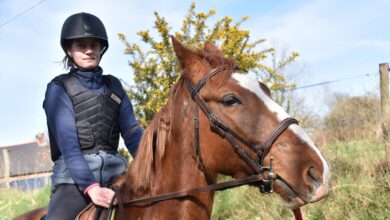
One of the easiest signs to recognise is a relaxed horse. A horse that feels comfortable will usually stand with a soft posture, relaxed muscles, and a gently lowered head and neck. Its ears will move naturally towards surrounding sounds rather than remaining fixed in one direction, while the eyes appear calm and attentive. Horses in this state are generally more willing to learn, cooperate during training, and enjoy interaction with people.
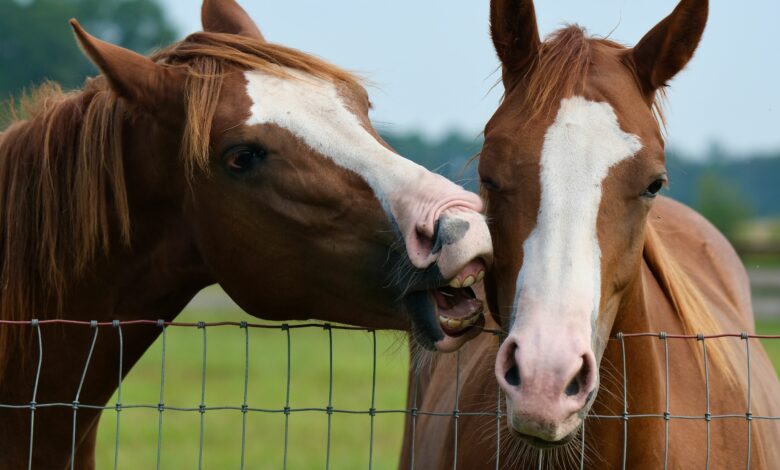
The ears are often described as the horse’s emotional indicator. Forward-pointing ears usually show curiosity, attention, or interest in something ahead. Constantly moving ears suggest the horse is aware of its surroundings and processing information. However, ears pinned tightly back against the head often indicate irritation, fear, pain, or aggression. Recognising this warning sign early allows handlers to adjust their approach before the horse becomes defensive or uncomfortable.
Facial expressions can reveal even more. Soft eyes, relaxed nostrils, and a loose lower lip are all signs of a content horse. On the other hand, wide eyes, flared nostrils, or a tense jaw may indicate anxiety or stress. Horses experiencing pain may also tighten the muscles around their eyes and muzzle, making these subtle changes important indicators of their physical wellbeing.
The tail also communicates emotion. A gently swinging tail usually reflects relaxation, while rapid swishing can signal irritation, discomfort, or frustration. Although horses naturally swish their tails to discourage flies, excessive or repeated tail movement during riding or handling may suggest that something is causing discomfort, such as poorly fitting tack or confusion during training.
Body posture provides additional clues. A horse standing evenly on all four legs with balanced weight distribution generally feels comfortable and confident. Constant shifting of weight, reluctance to move forward, or repeatedly lifting one hoof can indicate pain or soreness. Because horses naturally hide discomfort, small behavioural changes should never be ignored.
Understanding body language becomes particularly valuable during training. Horses learn best when they feel safe and confident. If a young horse becomes tense, raises its head, or begins moving away from pressure, it may simply be overwhelmed rather than disobedient. Allowing short breaks and reducing the difficulty of an exercise often leads to better long-term results than forcing the horse to continue. Building confidence through patience creates a willing partner rather than a fearful one.
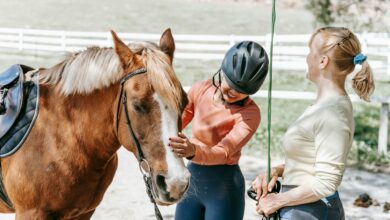
Trust develops through consistent, calm communication. Horses quickly recognise handlers who remain patient and predictable. Spending time grooming, leading, and performing simple groundwork exercises strengthens this relationship while helping owners become more familiar with their horse’s individual personality and behaviour. To learn more about keeping your horse comfortable throughout the warmer months, be sure to read our article, “How to Keep Horses Healthy and Hydrated During the Summer.”
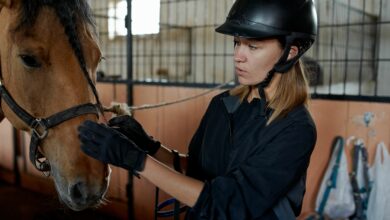
It’s equally important to remember that behaviour often reflects physical health. A horse that suddenly becomes unwilling to work, pins its ears while being saddled, or changes its normal posture may not have a training problem—it may have a medical one. Dental issues, muscle soreness, back pain, or hoof problems frequently influence behaviour. Healthy movement starts with healthy feet, so don’t miss our feature, “The Importance of Hoof Care: Why Healthy Hooves Are the Foundation of Every Horse,” to understand how proper hoof maintenance supports your horse’s comfort and performance.
Owners should also pay attention to changes in social behaviour. Horses naturally enjoy companionship and often communicate through subtle interactions within the herd. A horse that suddenly isolates itself, becomes unusually aggressive, or loses interest in its surroundings may be experiencing stress, illness, or discomfort that deserves further investigation.
Every horse is unique, and no single behaviour should be interpreted in isolation. The key is to observe the complete picture, including the horse’s environment, routine, physical condition, and previous behaviour. Over time, owners become familiar with their horse’s normal expressions and can quickly recognise when something changes.
Learning to read equine body language is one of the most valuable skills any horse owner can develop. It strengthens communication, prevents misunderstandings, improves safety, and creates a partnership built on trust rather than force. By paying close attention to the small signals horses give every day, owners can respond with greater understanding, ensuring happier, healthier, and more confident horses for years to come.