Building Confidence Through Positive Reinforcement
Training a young horse is one of the most rewarding experiences in the equestrian world. The first lessons a horse learns often shape its attitude, confidence, and willingness to work for years to come. While traditional training methods sometimes relied on pressure and correction, modern horsemanship increasingly focuses on positive reinforcement, patience, and consistency. This approach not only improves learning but also strengthens the bond between horse and handler, creating a partnership built on trust rather than fear.
Young horses are naturally curious, but they can also be cautious when introduced to unfamiliar environments, equipment, and people. Every new experience, from wearing a halter to hearing traffic or crossing water, becomes a learning opportunity. By introducing these experiences gradually and rewarding calm behaviour, trainers help horses develop confidence instead of anxiety.
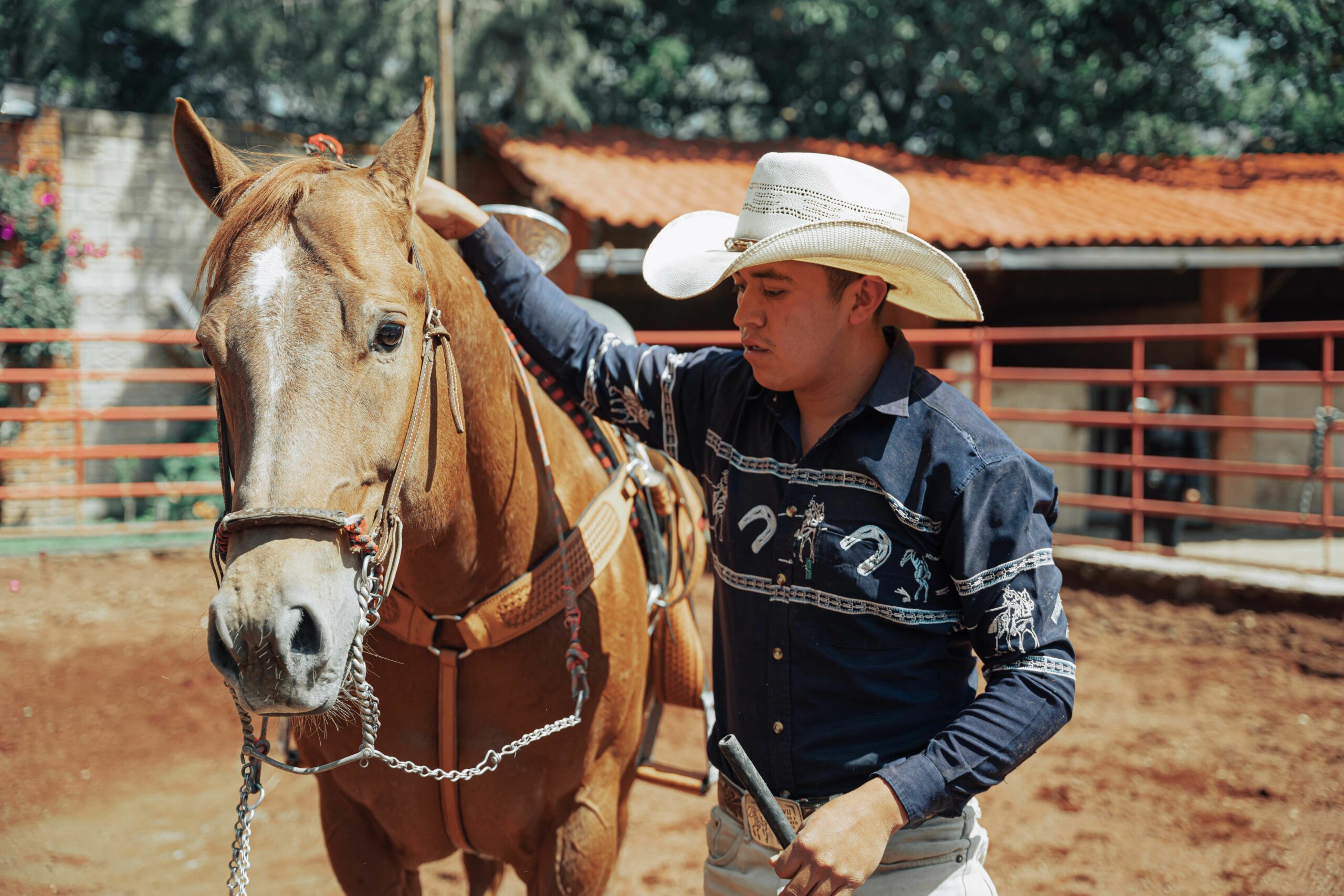
Positive reinforcement means rewarding a horse immediately after it performs the desired behaviour. Rewards can include verbal praise, gentle scratching on the neck, a short rest period, or an occasional treat when appropriate. The key is timing. The reward must come immediately after the correct response so the horse clearly understands what behaviour is being encouraged.
Groundwork forms the foundation of every successful training programme. Before a young horse carries a rider, it should learn essential skills such as leading politely, standing quietly, backing up, yielding to pressure, and responding calmly to voice commands. These simple exercises establish communication while teaching respect without intimidation.
Short, consistent training sessions are far more effective than long, demanding ones. Young horses have limited attention spans and can quickly become mentally tired. Sessions lasting 20 to 30 minutes usually provide enough time to introduce new concepts while keeping the horse interested and engaged. Ending each session with a successful exercise leaves the horse with a positive memory, making it more eager to learn the next day.
One of the biggest mistakes new trainers make is progressing too quickly. Every horse learns at its own pace, and comparing one horse to another often creates unnecessary pressure. Some horses quickly accept new experiences, while others need additional time to process unfamiliar situations. Patience is one of the most valuable tools any trainer can possess.
Exposure to different environments also plays a vital role in building confidence. Walking through different arenas, introducing poles on the ground, loading into a trailer, crossing small bridges, or meeting other horses all help young horses become adaptable and less reactive. These controlled experiences prepare them for future competitions, trail rides, and busy equestrian events.
Reading a horse’s body language throughout training is equally important. A relaxed horse will usually lower its head, move freely, and remain attentive. However, pinned ears, a raised head, a tense neck, rapid tail swishing, or repeated attempts to move away often indicate confusion, fear, or discomfort rather than stubbornness. Understanding these signals allows trainers to adjust their approach before frustration develops. For more insight, read our feature, “Understanding Equine Body Language: What Your Horse Is Trying to Tell You.”
Physical comfort should never be overlooked during training. A poorly fitting saddle, sore muscles, dental problems, or hoof discomfort can quickly turn a willing young horse into a resistant one. Before assuming behavioural issues are caused by poor attitude, owners should always rule out physical pain. Healthy movement starts with proper hoof care, so don’t miss our article, “The Importance of Hoof Care: Why Healthy Hooves Are the Foundation of Every Horse.”
Consistency is another key ingredient for success. Using the same voice cues, body language, and handling techniques each day helps young horses understand expectations and reduces confusion. Horses thrive on routine, and predictable training builds both confidence and trust.
Owners should also remember that rest is part of learning. Horses often process new information between training sessions, and allowing time for relaxation helps reinforce lessons. Overtraining can lead to both physical fatigue and mental stress, reducing enthusiasm for future work.
Perhaps the greatest benefit of positive reinforcement is the lasting relationship it creates. Horses trained through encouragement rather than fear are often calmer, more confident, and more willing to tackle new challenges. They learn to view their handler as a trusted leader rather than someone to avoid, resulting in safer handling and more enjoyable riding throughout their lives.
Training a young horse is not about achieving instant results—it is about laying the foundation for years of partnership. With patience, consistency, clear communication, and positive reinforcement, owners can develop confident horses that are eager to learn, willing to cooperate, and prepared to succeed in any equestrian discipline.
Explore more horse care, training advice, and equestrian lifestyle features on Al Badia Magazine.