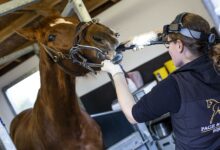
How UAE Endurance Horses Prepare for the New Season
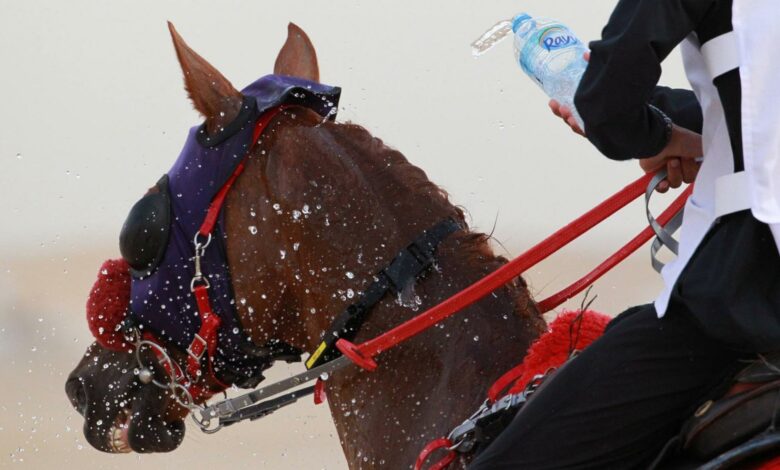
How UAE Endurance Horses Are Prepared for the New Season: Fitness, Hydration and Recovery
The UAE has established itself as one of the world’s most important centres for endurance riding, a discipline where preparation, fitness and careful horse management can make the difference between completing a demanding ride successfully and putting unnecessary stress on the horse.
As the new endurance season approaches, riders and trainers gradually increase their horses’ workload. For Arabian horses, which dominate international endurance competition because of their stamina and adaptability, preparation is not simply about covering longer distances. It involves carefully balancing conditioning, hydration, nutrition and recovery.
Building Fitness Gradually
A successful endurance horse needs a strong aerobic foundation. After a period of reduced activity, trainers generally begin with controlled exercise before progressively introducing longer distances and more demanding sessions.
Walking and steady trotting can play an important role during this phase. As fitness develops, trainers can gradually increase distance and intensity while monitoring how quickly the horse recovers.
Trying to achieve peak fitness too quickly can increase the risk of fatigue or injury. Consistency is more important than pushing the horse hard during individual sessions.
Explore More: Al Badia Endurance coverage
Hydration Is Critical in UAE Conditions
Managing hydration is particularly important when training horses in the UAE.
Horses can lose considerable amounts of fluid and electrolytes through sweating during exercise. Access to fresh water and an appropriate nutrition and electrolyte programme therefore becomes an essential part of endurance management.
Trainers should also observe individual horses carefully because sweat rates and recovery can vary considerably.
Monitoring Recovery After Training
Recovery provides valuable information about a horse’s conditioning.
Heart rate, breathing, movement and general behaviour should be monitored after exercise. A horse that consistently takes longer than expected to recover may need its workload reassessed.
This principle becomes especially important in competitive endurance, where veterinary checks are integral to protecting equine welfare.
You May Also Like: Explore more horse health, training and endurance features across Al Badia Magazine.
Nutrition Supports Performance
Endurance horses require nutrition that supports sustained exercise while maintaining healthy body condition.
Forage remains fundamental, while the overall feeding programme should reflect the horse’s workload, body condition and individual requirements. Any major dietary changes should be introduced gradually rather than immediately before competition.
Professional veterinary or equine nutrition advice can also be valuable when preparing horses for demanding distances.
Hooves and Legs Need Close Attention
Even a highly conditioned horse cannot perform comfortably without healthy feet and sound movement.
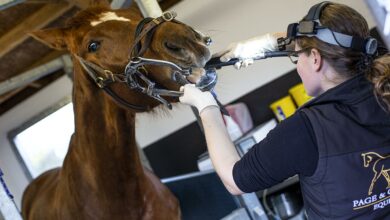
Regular farrier care and daily examination of the legs and hooves can help identify heat, swelling, tenderness or other changes before they develop into larger problems.
Training surfaces also matter. Endurance horses may encounter sand and changing terrain, so conditioning should prepare them progressively for the surfaces they are likely to face.
Recovery Is Part of Training
Rest should not be considered lost training time. It is part of the conditioning programme.
Following demanding sessions, horses need adequate opportunities to recover before another significant workload is introduced. Good programmes combine exercise, lighter days and rest according to each horse’s response.
As the UAE endurance calendar gathers momentum, the best-prepared horses will not necessarily be those that have trained the hardest. They will be the horses whose fitness, hydration, nutrition, soundness and recovery have been managed consistently.
That balance remains at the heart of successful endurance riding — and, most importantly, responsible horse welfare.
Read Next: Discover more equestrian stories on Al Badia Magazine