Where Did the Arabian Horse Originate?
The Ancient Desert Horse That Influenced Breeds Around the World
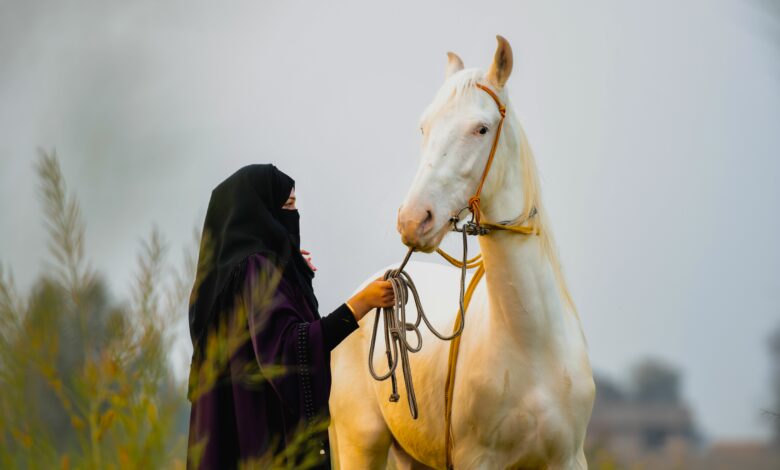
Few horses are as instantly recognisable as the Arabian horse. With its refined head, expressive eyes, arched neck and high-carried tail, the Arabian has become one of the world’s most celebrated horse breeds.
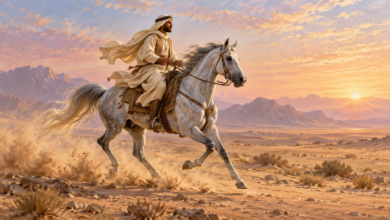
Its history stretches back thousands of years to the Arabian Peninsula, where horses were bred by Bedouin tribes to survive some of the world’s most demanding desert conditions.
While the precise date when the Arabian emerged as a distinct breed remains debated, archaeological and historical evidence shows that horses with Arabian characteristics existed in the Middle East thousands of years ago. Through generations of selective breeding, desert tribes developed horses prized for their endurance, intelligence, loyalty and ability to travel long distances with limited food and water.
Why Was the Arabian Horse So Important?
For the Bedouin, a good horse was far more than transportation. Horses played an important role in travel, tribal life and warfare, and the finest bloodlines were carefully protected.
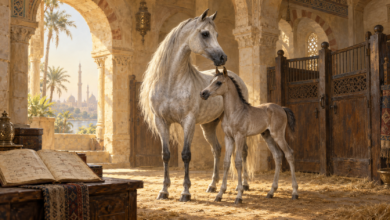
Mares were particularly valued. Oral traditions helped preserve pedigrees across generations, long before the creation of the formal stud books used by breeders today.
Life in the desert also contributed to the Arabian horse’s extraordinary physical characteristics. Horses needed stamina rather than simply short-distance speed. They had to cope with heat, difficult terrain and long journeys.
This combination of endurance and athletic ability eventually made Arabian horses highly desirable far beyond their homeland.
As trade and cultural exchange expanded, Arabian bloodlines reached North Africa, Europe and other parts of the world. Arabian horses were crossed with local horses to improve speed, refinement and endurance.
Their influence became particularly significant in the development of the modern Thoroughbred. The Darley Arabian, Godolphin Arabian and Byerley Turk are traditionally recognised among the foundation sires behind today’s Thoroughbred bloodlines.
Explore more about the history, breeding and beauty of the Arabian horse, one of the most influential horses in equestrian history.
From the Desert to the International Show Ring
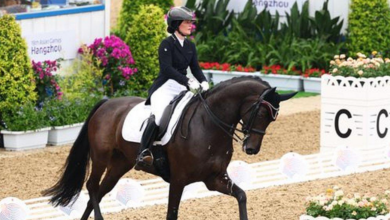
Today, Arabian horses compete internationally in endurance racing, showing and other equestrian disciplines. Their combination of beauty and stamina continues to distinguish the breed.
The Arabian horse also holds enormous cultural importance across the UAE and wider Gulf region. Breeding programmes, championships and endurance competitions continue traditions that connect today’s equestrian world with the heritage of the Arabian Peninsula.
The UAE has become an important international centre for Arabian horse breeding and competition, with prestigious events bringing together leading owners, breeders and horses from around the world.
From Bedouin camps to modern championship arenas, the Arabian horse has undergone an extraordinary journey without losing the characteristics that made the breed famous.
Its history is ultimately a story of the relationship between people, horses and the desert—a relationship that helped create one of the world’s most enduring equestrian legacies.
You May Also Like: Explore major competitions and championships in Al Badia Horse Events.
Read Next: Discover more traditions and knowledge in Equestrian Education.