Why Rest Is Just as Important as Training
Many horse owners focus heavily on training, nutrition, and performance, but one of the most overlooked aspects of horse care is recovery. Whether a horse competes in polo, show jumping, endurance racing, or recreational riding, proper recovery plays a critical role in maintaining long-term health and performance.
Just as human athletes need time to recover after intense physical activity, horses require carefully managed rest periods to repair muscles, replenish energy stores, and maintain overall wellbeing. Without adequate recovery, even the most talented horse can experience fatigue, reduced performance, and an increased risk of injury.
Understanding Recovery
Recovery begins the moment a training session or competition ends.
During exercise, a horse’s muscles experience stress, energy reserves are depleted, and body temperature rises. Proper cooling down helps the horse gradually return to a normal state while supporting circulation and muscle recovery.
Experienced trainers often include a structured cool-down period consisting of walking and light movement after intense work. This allows the cardiovascular system to stabilize gradually rather than stopping abruptly.
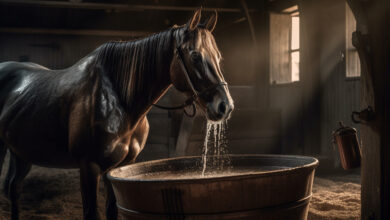
Hydration also becomes a priority immediately after exercise. Horses lose significant fluids through sweat, particularly in warmer climates such as the UAE. Replacing these fluids is essential for recovery and overall health.
The Importance of Rest Days
Many owners mistakenly believe that more training automatically leads to better results.
In reality, horses improve during recovery periods. Rest days allow muscles, tendons, and ligaments to repair and strengthen after exercise. These periods also help reduce physical and mental stress.
Professional trainers carefully balance work and rest schedules. A horse that receives appropriate recovery often performs more consistently and remains healthier throughout the season.
Nutrition Supports Recovery
Feeding programs play a major role in post-exercise recovery.
High-quality forage remains the foundation of every horse’s diet, while balanced levels of vitamins, minerals, and protein help support tissue repair and energy replenishment.
Some performance horses may also benefit from specialized nutritional programs designed to support recovery after competition. However, proper feeding should always be tailored to the individual horse’s workload and needs.
Mental Recovery Matters Too
Physical recovery is only part of the equation.
Horses can also experience mental fatigue, particularly during busy competition schedules. Travel, unfamiliar environments, and repeated performances can create stress even in experienced horses.
Providing turnout time, social interaction with other horses, and a consistent routine helps support emotional wellbeing. Many trainers consider mental relaxation just as important as physical recovery.
Recognizing Signs of Fatigue
Horse owners should learn to recognize early signs that a horse may need additional recovery time.
These signs can include:
- Reduced enthusiasm during training
- Stiffness or soreness
- Changes in appetite
- Increased irritability
- Slower recovery after exercise
- Reduced performance levels
Addressing these issues early can help prevent more serious problems from developing.
Modern Recovery Techniques
Today’s equestrian industry offers a wide range of recovery tools and therapies.
Cold-water therapy, massage, physiotherapy, stretching programs, and specialized recovery equipment are increasingly used to support equine athletes. While not every horse requires advanced treatments, these methods can be valuable additions to comprehensive care programs.
A Healthier Horse for the Long Term
The most successful horse owners understand that recovery is not a luxury—it is a necessity.
A horse that receives proper rest, hydration, nutrition, and care is more likely to remain healthy, comfortable, and capable of performing at its best. Whether competing at an international event or enjoying a leisurely ride, every horse benefits from a thoughtful recovery routine.
In the end, great horse care is not only about what happens during training. It is also about what happens afterwards.
Explore More:
https://albadiamagazine.com/category/polo