Inside the Mind of a Polo Horse: Training, Psychology, and the Silent Partnership
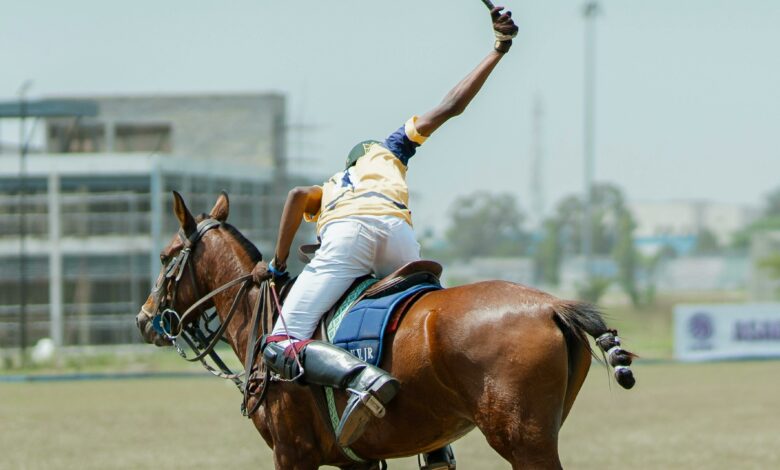
In polo, the spotlight often falls on the rider—the skill, the strategy, the precision. Yet behind every successful chukker lies a far more complex athlete: the horse. Often referred to as the “polo pony,” these animals are anything but simple. They are intelligent, highly responsive, and deeply attuned to the subtle cues of their riders.
Understanding a polo horse is not just about appreciating its speed or stamina; it is about recognizing a partnership built on trust, communication, and instinct.
The Making of a Polo Horse
A polo horse is not born ready for the field. Training begins early, but it is gradual and carefully structured. Young horses are first introduced to basic riding, learning balance, obedience, and responsiveness.
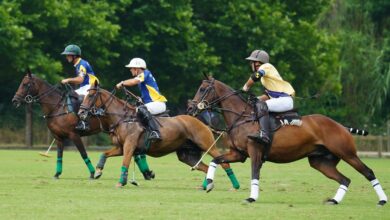
As they progress, they are exposed to increasingly complex stimuli—mallets swinging, balls moving at speed, and the presence of multiple horses in close proximity. This stage is critical, as it determines whether a horse can remain calm under pressure.
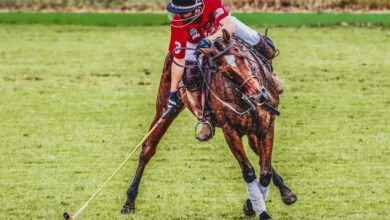
Unlike many equestrian disciplines, polo requires horses to make rapid directional changes while maintaining speed. This demands not only physical agility but also mental clarity.
Psychology Over Power
What sets a great polo horse apart is not just its strength, but its mindset. These horses must remain composed in chaotic environments, reacting instantly to their rider’s commands.
They learn to anticipate movements, often responding before a cue is fully given. This level of synchronization is not accidental—it is the result of consistent training and deep familiarity between horse and rider.
Interestingly, many polo players rotate between several horses during a match. This means each horse must quickly adapt to different rhythms and intensities, making mental adaptability a key trait.
The Rider-Horse Connection
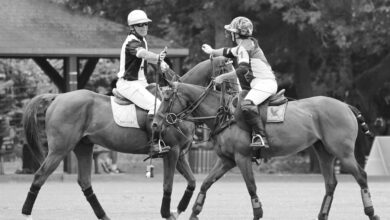
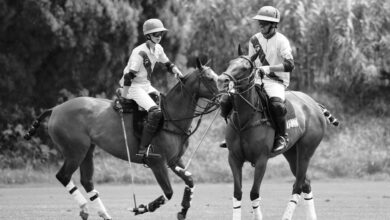
The bond between a polo player and their horse is subtle yet powerful. Communication is often non-verbal—a shift in weight, a slight movement of the reins, or pressure from the rider’s legs.
Over time, this connection becomes intuitive. The horse begins to understand the rider’s style, preferences, and tendencies. In return, the rider learns to trust the horse’s instincts.
This mutual understanding is what transforms a good team into a great one.
Care and Conditioning
Behind every match lies an extensive routine of care. Polo horses require specialized diets, regular veterinary check-ups, and carefully planned exercise regimens.
Conditioning focuses on both endurance and explosive power. Horses must be able to sprint, stop, turn, and accelerate repeatedly without fatigue.
Recovery is equally important. After matches, horses are cooled down gradually, monitored for any signs of strain, and given time to rest. Read more related stories
Life Beyond the Field
Contrary to popular belief, polo horses are not constantly in high-intensity environments. They spend significant time grazing, relaxing, and engaging in low-stress activities.
This balance is essential for their mental well-being. A calm horse off the field is more likely to perform effectively on it.
The UAE’s Role in Equestrian Excellence
The UAE has become a global leader in equestrian sports, and polo is no exception. Facilities here are among the best in the world, offering advanced training programs and top-tier care for horses.
The region’s commitment to equestrian excellence reflects a broader cultural appreciation for horses, rooted in history and tradition.
A Partnership Built on Trust
At its core, polo is not just a sport—it is a collaboration between human and animal. The horse is not merely a tool for performance but a partner in every sense.
Understanding this relationship adds a new dimension to the game. It shifts the focus from individual achievement to shared success.
In the fast-paced world of polo, where every second counts, it is this silent partnership that makes all the difference.