The Pulse of the Track: Inside the World of Modern Horse Racing
“Horse racing is not just about speed—it is about timing, instinct, and the relentless pursuit of perfection with every stride.”
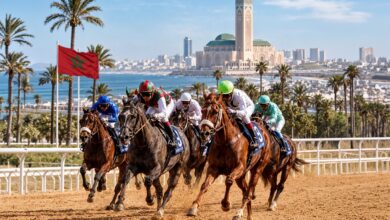
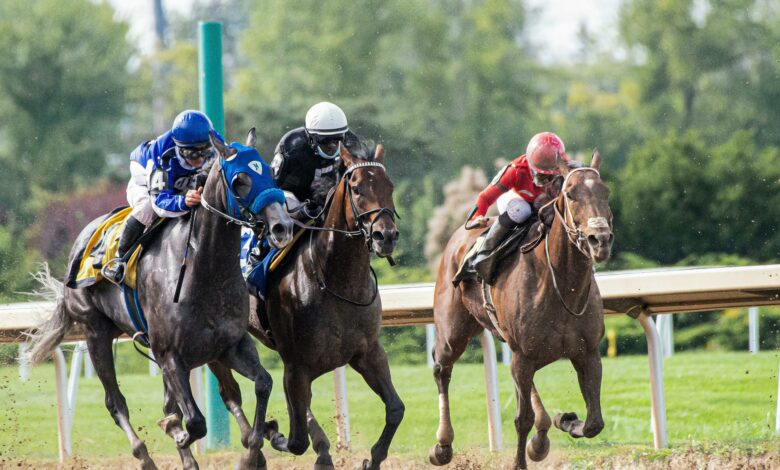
There is a moment just before the gates open when everything holds its breath. Horses stand poised, muscles tense, energy contained within a frame built for speed. Riders lean forward, focused and silent. Then, in an instant, the gates fly open—and the world explodes into motion.
Horse racing is often described as the sport of kings, but beyond its prestige lies an intensity that is unmatched. It is a sport where outcomes are decided in seconds, yet built over years of preparation. Every race is a test of endurance, precision, and the invisible bond between horse and rider.
The Thoroughbred: Built for Speed
At the center of horse racing is the thoroughbred—a breed refined over generations to achieve one purpose: speed. These horses are the result of careful breeding, combining strength, agility, and endurance into a single, powerful form.
Every aspect of a racehorse is designed for performance. Long legs allow for extended strides, while a deep chest supports efficient breathing. Muscles are developed not just for power, but for sustained speed over distance.
Yet, beyond physical attributes, it is the horse’s spirit that defines its potential. Some horses possess an innate competitiveness, a drive that pushes them forward even in the most demanding conditions. This determination cannot be taught—it is part of what makes each horse unique.
Training for Excellence: Discipline Behind the Scenes
The journey to the racetrack begins long before the race itself. Training a racehorse is a carefully structured process that balances physical conditioning with mental preparation.
Daily routines are designed to build stamina and strength, while maintaining the horse’s overall well-being. Trainers monitor every detail, from nutrition to recovery, ensuring that each horse reaches peak performance at the right time.
Equally important is the mental aspect. Horses must become accustomed to the sights and sounds of the racetrack, learning to remain calm under pressure. This preparation allows them to focus on the race, rather than react to distractions.
The Jockey: Precision in Motion
While the horse provides the power, the jockey provides direction. In horse racing, the role of the rider is both subtle and critical. Jockeys must maintain balance, reduce drag, and guide the horse with minimal interference.
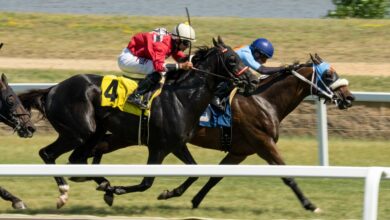
Positioning is everything. A slight shift in weight can influence the horse’s movement, while timing determines when to push forward or hold back. In the final stretch, these decisions become crucial, often determining the outcome of the race.
Despite the physical demands, racing is as much a mental challenge as it is a physical one. Jockeys must think quickly, adapting to changing conditions and responding to the actions of other riders.
The Future of Racing: Tradition Meets Innovation
While horse racing remains rooted in tradition, it continues to evolve. Advances in training techniques, veterinary care, and technology are shaping the future of the sport.
Data analysis is being used to track performance, while innovations in care ensure that horses remain healthy and competitive. These developments enhance the sport without compromising its core values.
Conclusion: The Rhythm of the Race
Horse racing is a sport defined by movement, but its true essence lies in the rhythm that connects every element. From the horse’s stride to the jockey’s timing, every detail contributes to the final outcome.
It is a discipline that demands dedication, respect, and an unwavering commitment to excellence. And in the fleeting moments of a race, it captures something extraordinary—a perfect balance of speed, strength, and spirit.
Explore More on Al Badia