Why Horse Teeth Matter More Than Most Owners Realise
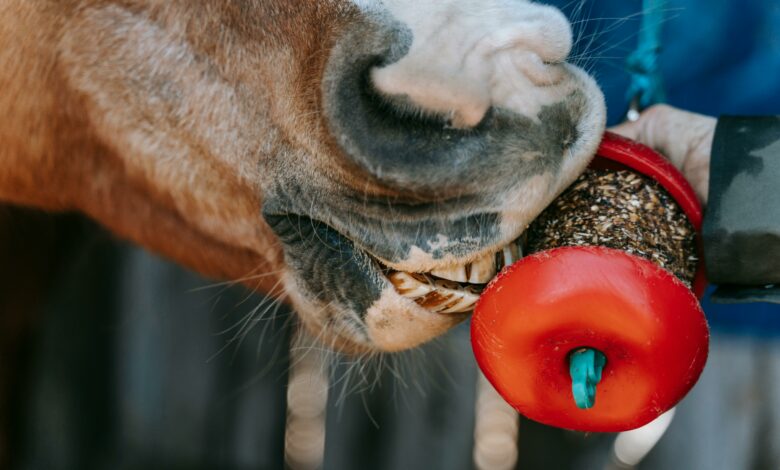
When people think about horse health, they often focus on nutrition, exercise, grooming, and veterinary care. However, one of the most important areas of equine wellbeing is frequently overlooked: dental health. A horse’s teeth play a vital role in eating, digestion, comfort, performance, and overall quality of life.
For horse owners across the UAE and beyond, understanding dental care can make a significant difference in maintaining a healthy and happy horse.
Unlike humans, horses’ teeth continuously erupt throughout much of their lives. This natural process helps compensate for the constant wear caused by chewing forage and feed. However, because horses chew in a circular grinding motion, uneven wear can develop over time. Sharp enamel points, hooks, and other dental abnormalities may form, causing discomfort and affecting how the horse eats.
One of the first signs of dental problems is difficulty chewing. Horses may drop partially chewed feed, eat more slowly, lose weight, or show signs of discomfort while eating. Some horses begin to tilt their heads when chewing or develop bad breath due to trapped food and gum irritation.
Dental issues can also affect riding performance. A horse experiencing mouth pain may resist the bit, shake its head, become difficult to steer, or show unusual behaviour during training. Many riders spend time addressing training problems without realising that the underlying cause could be dental discomfort.
Routine dental examinations are therefore essential. Equine dentists and veterinarians can identify sharp points, uneven wear, wolf teeth issues, loose teeth, or signs of infection before they become serious problems. Most adult horses benefit from a professional dental check at least once a year, while young and senior horses may require more frequent monitoring.
In the UAE’s climate, where horses often receive carefully managed diets and participate in various equestrian disciplines, maintaining proper dental health is particularly important. Whether the horse is involved in show jumping, endurance riding, racing, polo, or leisure riding, comfortable teeth contribute directly to performance and wellbeing.
Age also plays a major role in dental care. Young horses experience significant tooth changes as their permanent teeth emerge. Older horses may develop worn, loose, or missing teeth that affect their ability to process feed efficiently. Special feeding adjustments are sometimes necessary for senior horses to maintain healthy body condition.
Good dental care offers benefits beyond the mouth. Proper chewing allows feed to be broken down more effectively, supporting digestion and nutrient absorption. A horse with healthy teeth can maintain better weight, energy levels, and overall condition throughout the year.
Horse owners should also pay attention to warning signs such as:
- Weight loss despite normal feeding
- Dropping feed while eating
- Excessive salivation
- Bad breath
- Head tossing during riding
- Difficulty accepting the bit
- Swelling around the jaw or face
Preventive care is always easier than treating advanced dental problems. Regular veterinary examinations, balanced nutrition, and annual dental floating when required help ensure long-term health.
For Al Badia readers, horse dental care represents one of the most important investments in equine welfare. Beautiful coats, strong muscles, and athletic performance all begin with a healthy horse—and a healthy horse starts with a healthy mouth.