Essential Horse Care: Building the Foundation for Health and Performance

Proper horse care is the cornerstone of equine health, wellbeing, and performance. Whether a horse is used for racing, polo, show jumping, endurance riding, or recreational activities, consistent care ensures it remains healthy, comfortable, and capable of performing at its best.
One of the most important aspects of horse care is nutrition. Horses require a balanced diet consisting primarily of quality forage such as hay and grass, supplemented with grains or concentrates when necessary. Nutritional requirements vary depending on age, workload, and overall health. Providing fresh, clean water at all times is equally important, particularly in the hot climate of the Middle East, where dehydration can quickly become a concern.
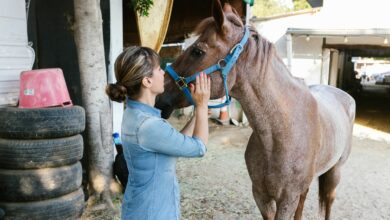
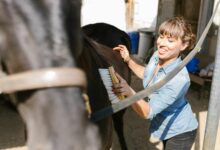
Regular grooming plays a significant role in maintaining a horse’s health. Daily brushing removes dirt, sweat, and loose hair while stimulating blood circulation and natural skin oils. Grooming sessions also allow owners and handlers to identify cuts, swelling, skin conditions, or signs of injury before they develop into more serious problems.
Exercise is essential for both physical and mental wellbeing. Horses are naturally active animals that benefit from regular movement. Consistent exercise helps maintain healthy muscles, supports cardiovascular fitness, improves flexibility, and prevents boredom. Even horses that are not actively competing require turnout time and opportunities to move freely.
Hoof care is another critical component of responsible horse ownership. A horse’s hooves support its entire body weight and directly impact movement and performance. Regular trimming and farrier visits help maintain proper hoof balance and prevent issues such as cracks, infections, and lameness. The well-known saying “No hoof, no horse” continues to highlight the importance of hoof health.
Veterinary care should form part of every horse management program. Routine health checks, vaccinations, dental examinations, and parasite control help prevent disease and ensure long-term wellbeing. Early detection of health issues often leads to more successful treatment and recovery.
Stable management also contributes significantly to horse health. Clean, well-ventilated stables help reduce respiratory problems and create a comfortable living environment. Bedding should be changed regularly, and feeding equipment should be kept clean to minimize the risk of infection and contamination.
Mental wellbeing is increasingly recognized as an important part of horse care. Horses are social animals that thrive on interaction and routine. Opportunities for socialization, turnout, and varied activities help reduce stress and support positive behavior. Many trainers now place greater emphasis on creating balanced programs that support both physical and emotional health.
Seasonal care is particularly important in the GCC region. During the summer months, horses require protection from extreme heat through shaded areas, cooling measures, and adjusted exercise schedules. Careful monitoring during hot weather helps prevent heat stress and dehydration.
Ultimately, excellent horse care is built on consistency, knowledge, and dedication. Every aspect of daily management—from feeding and grooming to exercise and veterinary attention—contributes to a horse’s overall quality of life. By prioritizing health and welfare, owners ensure that their horses remain happy, healthy, and ready to perform at their highest potential for years to come.