How to Prevent Dehydration in Horses During Summer
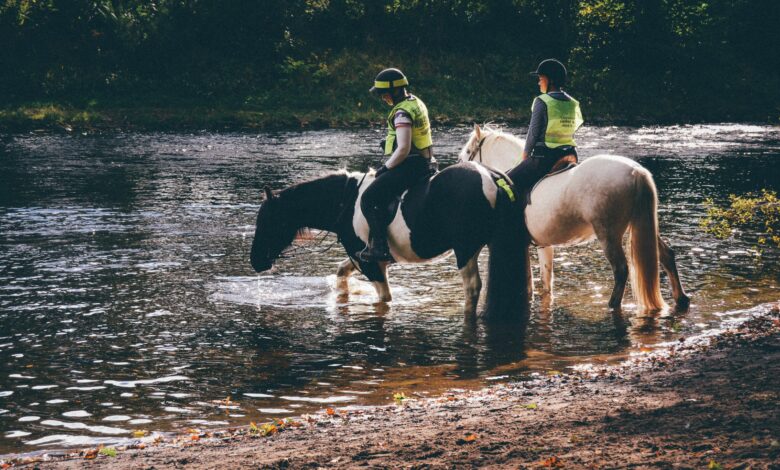
As temperatures rise during the summer months, keeping horses properly hydrated becomes one of the most important aspects of daily care. Horses lose significant amounts of water through sweating, especially during exercise, transport, or extended time outdoors. Without adequate hydration, they are at risk of dehydration, reduced performance, heat stress, and even life-threatening conditions. Fortunately, a few simple management practices can help keep horses healthy and comfortable throughout the hottest part of the year.
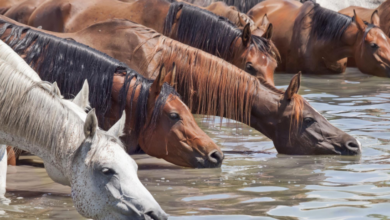
Water is essential for every function in a horse’s body, from regulating body temperature and supporting digestion to transporting nutrients and maintaining healthy muscles. An average adult horse can drink between 25 and 50 litres of water each day, while those working in hot weather may require considerably more. Monitoring water intake should therefore become part of every owner’s daily routine.
The first step in preventing dehydration is ensuring horses always have access to clean, fresh water. Water buckets and troughs should be cleaned regularly to prevent algae, dirt, and bacteria from accumulating. During hot weather, water warms quickly, so refilling containers several times a day encourages horses to drink more frequently.
Recognising the early signs of dehydration can prevent more serious problems. A dehydrated horse may appear lethargic, lose its appetite, sweat less than expected, or produce dry manure. Owners can also perform a simple skin pinch test by gently lifting the skin on the horse’s neck. If the skin does not quickly return to its normal position, dehydration may be developing. Dry gums and prolonged capillary refill time are additional warning signs that require attention.
Electrolytes play an important role in maintaining hydration. Horses lose essential minerals such as sodium, potassium, and chloride through sweat. For horses in regular work or competition, electrolyte supplements can help replace these losses and encourage drinking. However, electrolytes should always be accompanied by unlimited access to fresh water.
Exercise schedules should also be adjusted during extreme heat. Riding early in the morning or later in the evening reduces exposure to intense midday temperatures. After exercise, horses should be cooled gradually using cool water, with excess water scraped away between applications to help lower body temperature more efficiently.
Shade is another essential part of summer management. Whether in the stable or pasture, horses should always have access to shelter from direct sunlight. Trees, purpose-built field shelters, or well-ventilated stables help reduce heat stress throughout the day. Good airflow inside barns is equally important, as proper ventilation helps remove excess heat and humidity.
Nutrition can also influence hydration. Fresh pasture contains natural moisture that contributes to daily water intake, while horses fed mainly dry hay often require additional water. Offering soaked hay or wet feeds can increase moisture consumption, particularly for older horses or those reluctant to drink.
Travelling during hot weather requires extra planning. Horses should be offered water before departure, during long journeys whenever possible, and immediately upon arrival. Good trailer ventilation and avoiding unnecessary delays help reduce the risk of overheating.
Preventing dehydration is far easier than treating it. By providing constant access to clean water, adjusting exercise routines, offering adequate shade, and recognising early warning signs, horse owners can protect their horses throughout the summer months.
A well-hydrated horse is healthier, performs better, recovers more quickly from exercise, and remains comfortable even during challenging weather. With careful daily management, hydration becomes one of the simplest yet most effective ways to safeguard equine health.