Morocco’s Youth Day:
A Royal Vision Empowering a New Generation Through Sport
From football pitches to polo fields, sport reflects Morocco’s investment in youth, ambition and international excellence
National occasions in Morocco are more than dates on the calendar. They often carry deep symbolic meaning, connecting the Kingdom’s history with its present ambitions and future aspirations. Among them is Youth Day, celebrated annually on August 21, coinciding with the birthday of His Majesty King Mohammed VI and highlighting the important role of young Moroccans in the Kingdom’s future.
Over the years, sport has become an important platform through which Morocco’s younger generations can develop talent, discipline and international experience. From football to equestrian disciplines, the Kingdom has increasingly used sport as a means of strengthening its presence on the regional and international stage.
Polo: Morocco’s Equestrian Heritage on the International Stage
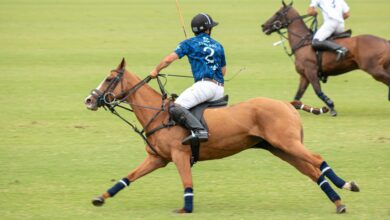
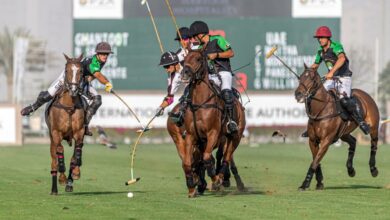
Alongside Morocco’s most popular sports, polo holds a distinctive place in the country’s equestrian landscape.
Polo has a long history in Morocco, dating back to 1899, when the first polo team was established in Tangier by the British diplomatic delegation. In 2006, Morocco founded the Royal Moroccan Polo Federation with the objective of reviving and developing the sport across the Kingdom.
That same year marked another important milestone with the inaugural Mohammed VI International Polo Trophy, staged at the Royal Guard Polo Club in Souissi, Rabat, from May 9 to 13, 2006. Morocco won the first edition after defeating Spain 6–4 in the final.
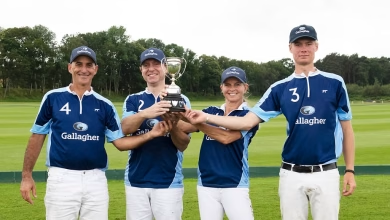
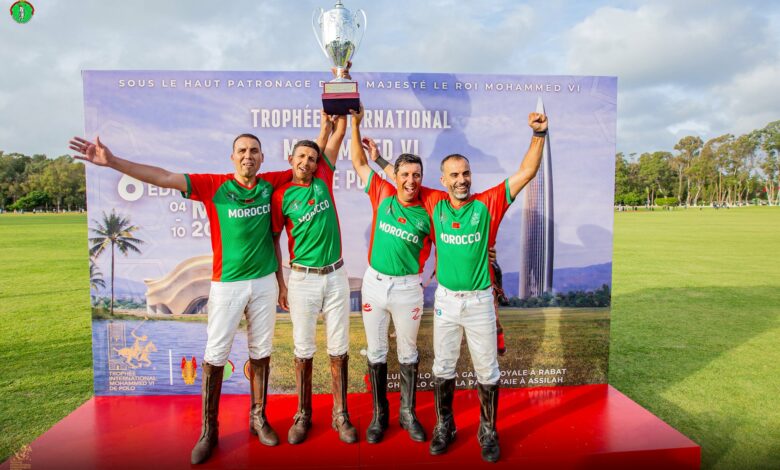
Two decades later, the tournament remains an important fixture on Morocco’s international polo calendar. In May 2026, Morocco won the sixth edition of the Mohammed VI International Polo Trophy, defeating the United States 9–5 in the final in Rabat. The tournament brought together teams representing Morocco, the United States, Hungary, Saudi Arabia, Portugal and France.
Polo therefore represents more than competition. It connects Morocco’s strong equestrian traditions with modern international sport, while creating opportunities for sporting and cultural exchange.
Football: A National Passion and a Platform for Ambition
While polo represents an important dimension of Morocco’s equestrian identity, football remains the country’s most visible sporting passion.
Morocco’s growing international football profile has helped inspire a new generation of young athletes and reinforced the importance of long-term investment in sporting talent.
For many young Moroccans, football is no longer simply a recreational activity. It can also represent a professional ambition and a pathway through which discipline, teamwork, perseverance and national pride are developed.
Sport and Youth: Investing in the Future
The development of sport ultimately depends on investment in young people. Champions are not created only on competition day; they emerge from systems capable of identifying talent, providing quality training and creating an environment in which athletes can progress.
This applies equally to football, polo, equestrian sport and other disciplines.
International sporting events also provide Morocco with an opportunity to showcase its capabilities beyond competition itself, strengthening connections between sport, tourism, culture and the Kingdom’s international image.
Youth Day: Looking Towards the Future
At its heart, Youth Day celebrates the potential of Morocco’s younger generations and their contribution to the country’s future.
From football stadiums to polo fields, Moroccan sport offers a powerful illustration of ambition translated into achievement.
As Morocco continues to expand its sporting presence internationally, investment in youth remains fundamental. Sport can transform talent into opportunity, ambition into accomplishment and national identity into a presence that reaches far beyond the Kingdom’s borders.
Author
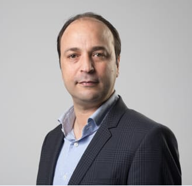
Rabie Benaddada, Researcher in Sports Science and Visiting Professor at the Higher Institute of Commerce and Business Administration