Horse Racing: Why Recovery Has Become Racing’s Winning Formula
Behind every successful racehorse is not only exceptional breeding and expert training but also a carefully managed recovery programme. As horse racing continues to evolve, trainers around the world are placing greater emphasis on recovery, recognising that peak performance depends as much on rest and rehabilitation as it does on speed and stamina.
Modern racehorses are remarkable athletes, capable of reaching speeds exceeding 60 km/h while placing enormous physical demands on their muscles, joints, tendons, and cardiovascular systems. Maintaining these elite performers requires a scientific approach that balances intense exercise with adequate recovery to ensure they remain healthy throughout a demanding racing season.
Cooling down has become one of the most important routines after every workout or race. Trainers gradually reduce the horse’s heart rate through controlled walking before using cold-water therapy to help minimise inflammation in the legs. Ice boots and specialised cooling treatments have become standard practice at many leading racing yards, helping horses recover more efficiently after strenuous exercise.
Nutrition is equally critical. High-quality forage remains the foundation of every Thoroughbred’s diet, while carefully balanced concentrates provide the energy required for training. Electrolytes, vitamins, and mineral supplements are often introduced to replace nutrients lost through heavy sweating, particularly during summer racing.
Veterinary care has advanced significantly in recent years. Regular ultrasound examinations, digital imaging, blood analysis, and gait assessments allow trainers and veterinarians to detect small physical changes before they become serious injuries. Preventative healthcare has become one of the most valuable investments in modern racing, extending careers while improving overall welfare.
Technology is also changing the sport. GPS tracking devices, heart-rate monitors, and motion sensors now provide trainers with detailed information about every gallop. These systems measure speed, stride length, recovery time, and workload, allowing training programmes to be tailored to the individual needs of each horse rather than following a standard schedule.
Mental wellbeing is receiving increased attention as well. Horses thrive on routine, and many trainers now incorporate turnout, quiet walking sessions, and varied exercise programmes to prevent boredom and reduce stress. A relaxed horse is often a healthier and more consistent performer on race day.
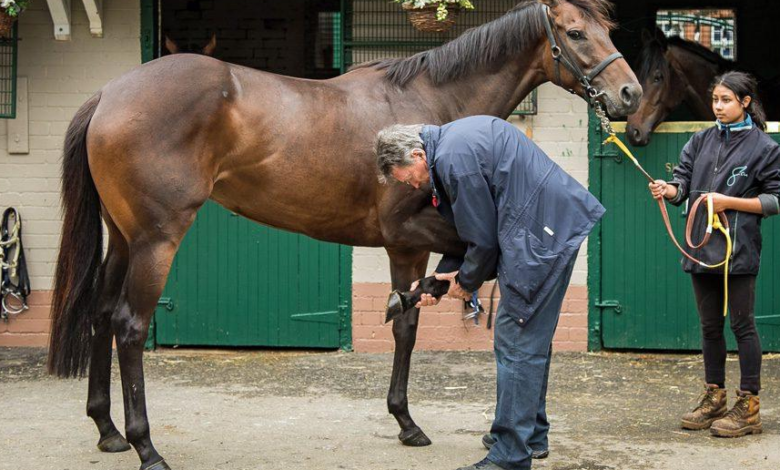
Farriers remain essential members of every racing team. Correct hoof balance plays a major role in performance and injury prevention, with specialised racing shoes carefully selected according to track conditions, distance, and each horse’s individual movement.
The Middle East continues to play a leading role in advancing international horse racing. World-class training centres in the UAE, Saudi Arabia, and Qatar combine state-of-the-art veterinary facilities with cutting-edge technology, attracting elite horses, trainers, and jockeys from around the globe. These investments continue to strengthen the region’s reputation as one of the world’s premier racing destinations.
As competition becomes increasingly competitive, success is no longer measured solely by how fast a horse can run. The ability to keep horses healthy, sound, and motivated throughout an entire season has become one of the defining characteristics of championship stables.
Today’s champions are built through intelligent management, scientific innovation, and exceptional horsemanship. In modern horse racing, recovery is no longer viewed as downtime—it has become one of the most important ingredients in creating winners.