Why Recovery Days Are Essential for Every Horse
Whether a horse competes at the highest level or enjoys recreational riding, one element of care is often underestimated—recovery. While regular exercise builds strength, stamina, and athletic performance, proper recovery allows the body to repair, rebuild, and perform at its best. Without adequate rest, even the healthiest horse can become fatigued, stressed, or more vulnerable to injury.
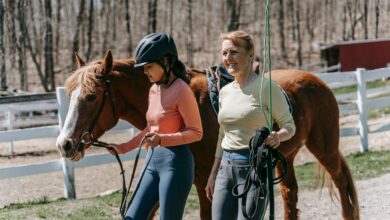
Recovery begins immediately after exercise. Walking the horse for 10 to 20 minutes allows the heart rate and breathing to return gradually to normal while helping remove lactic acid from the muscles. Abruptly stopping intense work can place unnecessary strain on the cardiovascular system and leave muscles stiff the following day.
Hydration is equally important. Horses lose significant amounts of water and electrolytes through sweat, particularly during the warmer months. Fresh, clean water should always be available after exercise, while electrolyte supplements may benefit horses working intensely or competing regularly. Proper hydration supports muscle function, digestion, and overall recovery.
Nutrition also plays a major role. High-quality forage remains the foundation of every horse’s diet, while concentrates should be adjusted according to workload. After demanding exercise, providing balanced nutrition rich in fibre, protein, vitamins, and minerals helps replenish energy stores and support muscle repair. Feeding schedules should remain consistent to maintain digestive health.
One of the simplest yet most effective recovery tools is turnout. Allowing horses to move freely in a paddock encourages healthy circulation, reduces stiffness, and benefits mental wellbeing. Horses are naturally active animals, and light movement throughout the day often supports recovery better than prolonged confinement inside a stable.
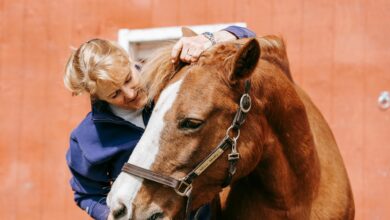
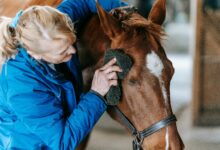
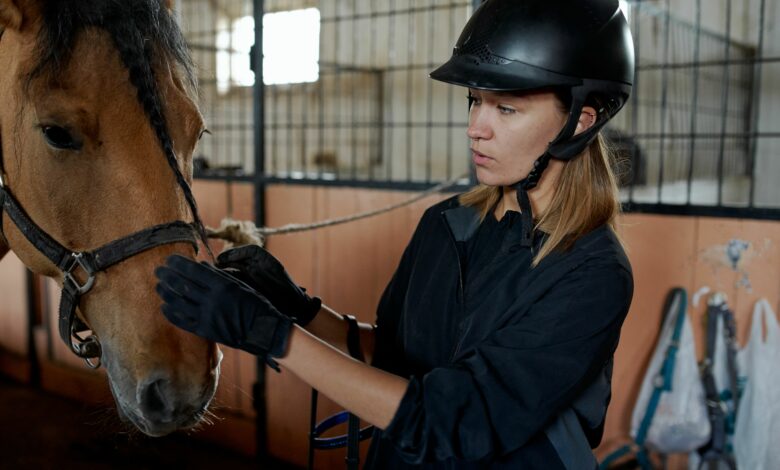
Grooming provides another opportunity to assess recovery. Brushing stimulates circulation while allowing owners to check for swelling, cuts, heat, or muscle sensitivity. Paying close attention to tendons, joints, hooves, and the back can help identify minor issues before they develop into more serious injuries.
Sleep is often overlooked but is equally essential. Horses require periods of deep rest each day to recover physically and mentally. A comfortable, clean stable with adequate bedding encourages quality rest, particularly after demanding training sessions or competitions.
Modern technology has also improved recovery management. Heart rate monitors, wearable fitness trackers, and thermal imaging allow trainers to monitor workload, identify signs of fatigue, and tailor exercise programmes to each individual horse. These tools help prevent overtraining while supporting peak performance throughout the season.
Equally important is recognising behavioural changes. A horse that suddenly becomes reluctant to work, loses appetite, appears irritable, or shows reduced enthusiasm during training may simply need additional recovery rather than more intensive exercise. Listening to these subtle signals is often one of the best ways to protect long-term health.
Veterinary and farrier care remain fundamental throughout the recovery process. Regular hoof maintenance, dental examinations, physiotherapy when required, and routine veterinary check-ups ensure that small problems are addressed before affecting performance.
Recovery is not a sign of weakness—it is an essential part of every successful training programme. Elite racehorses, show jumpers, endurance horses, and leisure companions all benefit from structured rest days that allow their bodies to adapt to physical demands.
Ultimately, the healthiest horses are not always those that train the hardest, but those whose work is balanced with thoughtful recovery. By combining proper cooling down, nutrition, hydration, turnout, grooming, and regular health care, owners can help their horses remain sound, comfortable, and ready to perform for many years to come.